آلام المفاصل والعضلات بعد الإقلاع عن التدخين الإلكتروني
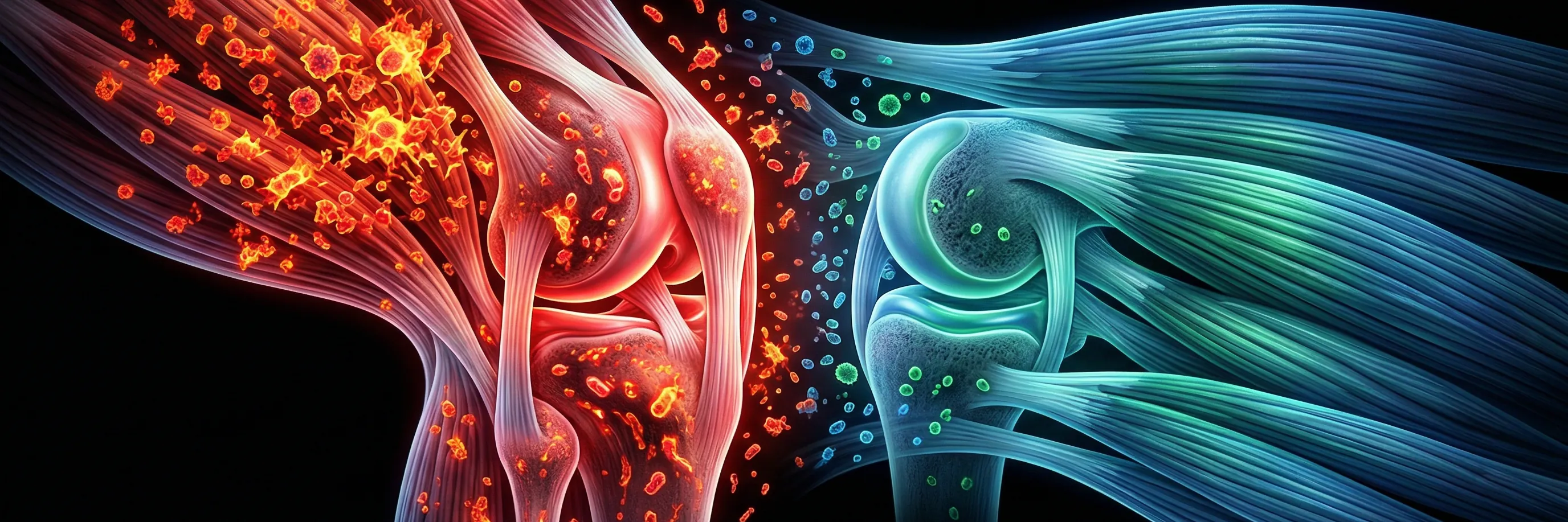
تصيب آلام المفاصل والعضلات بعد الإقلاع عن التدخين الإلكتروني بعض الأشخاص خلال الأيام 2-7، مدفوعةً بتغيرات في الدورة الدموية ومستويات الالتهاب واستجابة التوتر. للنيكوتين خصائص مسكنة (كابحة للألم) — فهو يخفف إشارات الألم. عند الإقلاع، يزول هذا الكبح، وقد تصبح الآلام التي لم تكن تشعر بها كاملةً ملحوظة. إضافةً إلى ذلك، يخلق ارتفاع الكورتيزول أثناء الانسحاب توتراً عضلياً. يختفي هذا عادةً بحلول اليوم 10-14.
آلام الجسم أثناء انسحاب النيكوتين من الأعراض الأقل نقاشاً، لكنها قد تكون مزعجة بدرجة مفاجئة. الآلية بسيطة: للنيكوتين تأثيرات مسكنة خفيفة عبر تفاعله مع مسارات الألم. عندما يغادر النيكوتين جسمك، تعود حساسيتك الأساسية للألم إلى طبيعتها — ما يعني أن الآلام والتوتر التي كان النيكوتين يحجبها تصبح محسوسة من جديد.
متى يبدأ
تصبح آلام الجسم ملحوظة عادةً حوالي اليوم 2-3، مع زوال التأثيرات المسكنة للنيكوتين بالكامل. قد تلاحظ توتراً في الكتفين والرقبة والفك (من استجابة التوتر)، وألماً في الساقين والظهر، أو شعوراً عاماً بعدم الارتياح الجسدي.
متى يبلغ ذروته
يبلغ انزعاج العضلات والمفاصل ذروته عادةً حوالي اليوم 3-5، متزامناً مع ذروة ارتفاع الكورتيزول وأوج استجابة التوتر أثناء الانسحاب. شد الفك وصرير الأسنان (البروكسزم) شائعان خلال هذه الفترة، ويساهمان في توتر الرأس والرقبة.
متى يختفي
لدى معظم الناس، تتحسن آلام الجسم بشكل كبير بحلول اليوم 7-10 مع تطبيع مستويات الكورتيزول وعودة معالجة الألم لديك إلى خط الأساس. بحلول اليوم 14، تكون آلام الجسم المرتبطة بالانسحاب قد اختفت تماماً عادةً.
لماذا يحدث
ثلاثة عوامل تساهم في ذلك: (1) فقدان التأثير المسكن للنيكوتين — يحفز النيكوتين إطلاق الإندورفينات ويتفاعل مع مسارات الألم الأفيونية، فيكبح إدراك الألم بشكل خفيف. بدونه، تعود عتبة الألم لديك إلى طبيعتها. (2) توتر عضلي مدفوع بالكورتيزول — يسبب ارتفاع الكورتيزول أثناء الانسحاب توتراً عضلياً مزمناً، خاصةً في الكتفين والرقبة والفك. (3) تحسن الدورة الدموية — مع تحسن تدفق الدم إلى الأنسجة التي كانت أوعيتها متقلصة، قد تسبب زيادة الأكسجة والاستجابة الالتهابية ألماً مؤقتاً مع بدء الأنسجة في الشفاء.
ماذا تفعل
التمدد اللطيف والحركة يساعدان أكثر من الراحة — التوتر يزداد سوءاً مع السكون. الحمام أو الدش الدافئ يرخي العضلات المشدودة. الإيبوبروفين أو الباراسيتامول المتاحان دون وصفة مناسبان للانزعاج الحاد. دلّك المناطق المشدودة (الرقبة، الكتفان، الفك). إذا لاحظت شداً في الفك، فإن ممارسة إرخاء الفك بوعي (المس سقف فمك بلسانك ودع فكك يتدلى مفتوحاً قليلاً) تساعد. قد تساعد مكملات المغنيسيوم على تخفيف التوتر العضلي وتحسين النوم.
الساعات التي يظهر فيها هذا العرض
الأسئلة الشائعة
لماذا تؤلمني عضلاتي بعد الإقلاع عن التدخين الإلكتروني؟
للنيكوتين خصائص مسكنة خفيفة — فهو يكبح إشارات الألم عبر إطلاق الإندورفين والتفاعل مع المسار الأفيوني. عندما يغادر النيكوتين جسمك، تعود حساسيتك الطبيعية للألم، ما يجعل الآلام الموجودة مسبقاً أكثر وضوحاً. إضافةً إلى ذلك، يسبب ارتفاع الكورتيزول أثناء الانسحاب توتراً عضلياً، خاصةً في الرقبة والكتفين والفك.
كم تستمر آلام الجسم بعد الإقلاع؟
تبلغ آلام الجسم المرتبطة بالانسحاب ذروتها عادةً حوالي اليوم 3-5 وتختفي بحلول اليوم 10-14 مع تطبيع الكورتيزول وتكيف معالجة الألم لديك. إذا استمر ألم شديد في المفاصل أو العضلات بعد أسبوعين، استشر طبيباً — قد لا يكون مرتبطاً بالانسحاب.
هل يمكنني تناول مسكنات الألم أثناء انسحاب النيكوتين؟
المسكنات المتاحة دون وصفة (الإيبوبروفين، الباراسيتامول) آمنة أثناء انسحاب النيكوتين ويمكن أن تساعد في إدارة الانزعاج. تجنب المسكنات الأفيونية. الرياضة والتمدد والحمامات الدافئة فعالة بالقدر نفسه ولها فوائد إضافية في إدارة الانسحاب.
احصل على إرشاد ساعة بساعة، وإشعارات الإحاطات، والتدريب الصوتي على هاتفك.