الرغبة الشديدة في النيكوتين بعد الإقلاع عن التدخين الإلكتروني
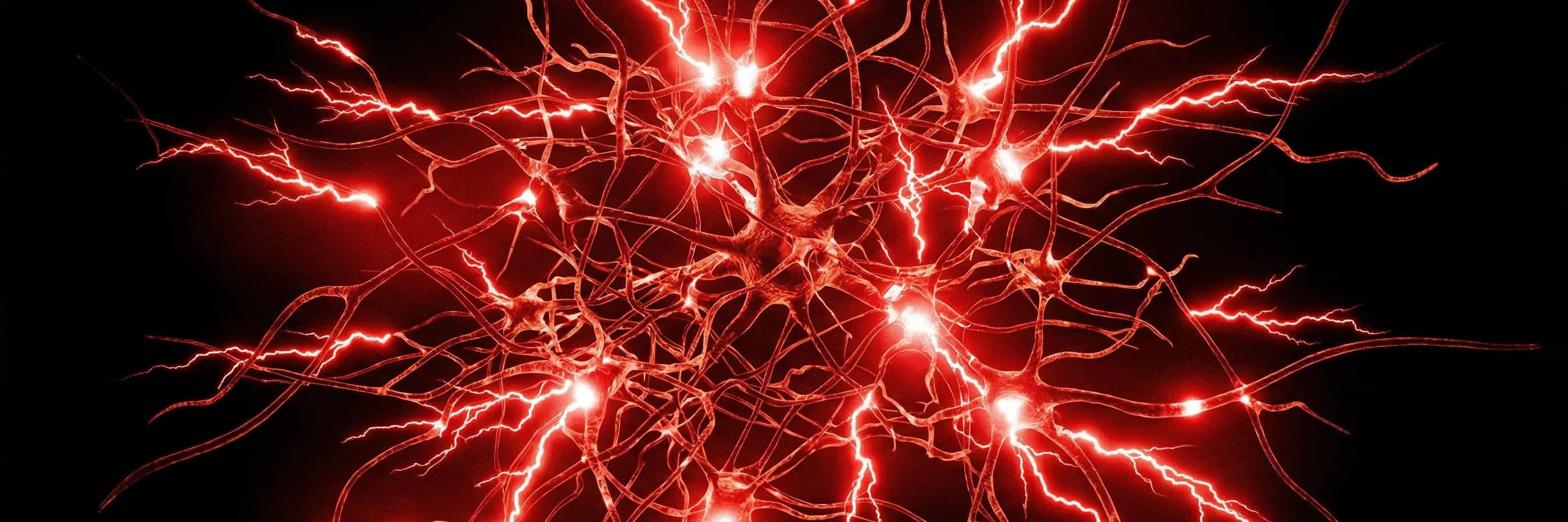
تبدأ الرغبة الشديدة في النيكوتين بعد الإقلاع عن التدخين الإلكتروني عادةً خلال 2-4 ساعات وتبلغ ذروتها بين الساعتين 24 و72. خلال الأيام الثلاثة الأولى، قد تواجه 15-30 نوبة رغبة يومياً، تستمر كل منها 3-5 دقائق. بحلول اليوم 7، تنخفض الرغبة إلى حوالي 3 نوبات يومياً. وبحلول اليوم 14 تصبح نادرة وقصيرة. الرغبة هي إشارة استغاثة ترسلها مستقبلات الأسيتيل كولين النيكوتينية (nAChRs) في دماغك عند قطع إمداد النيكوتين — وهي أكثر أعراض الانسحاب شيوعاً وأكثرها ارتباطاً مباشراً بخطر الانتكاس.
الرغبة الشديدة هي العرض المميز لانسحاب التدخين الإلكتروني. على عكس الرغبة في السجائر، المرتبطة بطقوس محددة (سيجارة الصباح، سيجارة ما بعد الوجبة)، يمكن أن تشتعل رغبة التدخين الإلكتروني في أي سياق تقريباً لأن السجائر الإلكترونية لا حدود طبيعية لاستخدامها — لا سيجارة تحترق حتى نهايتها، ولا حاجة للخروج. كثير من مستخدمي السجائر الإلكترونية يسحبون من أجهزتهم 200-400 مرة يومياً، ما يعني أن دماغك يحمل عدداً هائلاً من الارتباطات الصغيرة التي عليه أن يتخلص منها.
متى يبدأ
تبدأ الرغبة عندما تنخفض مستويات النيكوتين تحت عتبة تنشيط المستقبلات، عادةً بعد 2-4 ساعات من آخر نفحة. النوبات الأولى خفيفة — تململ خفي، شعور بأن شيئاً ما ناقص، ويدك تمتد إلى جهاز لم يعد موجوداً. بحلول الساعة 6-8، تشتد لتصبح رغبات واضحة. وبحلول الساعة 12، تصل كل 30-60 دقيقة. تركيبات أملاح النيكوتين في الأجهزة الحديثة (35-50 ملغم/مل) تخلق زيادة كثيفة في تنظيم المستقبلات، ما يعني أن الهبوط من الحالة 'الطبيعية' إلى حالة 'الحرمان' حاد ومفاجئ.
متى يبلغ ذروته
تبلغ الرغبة ذروتها في التكرار والشدة بين الساعتين 24 و72. هنا يصل النيكوتين إلى الصفر في دمك وتبلغ مستقبلات الأسيتيل كولين النيكوتينية أقصى درجات إزالة التشبع — أي أنها تصرخ طلباً للمحفز المفقود. خلال هذه النافذة، تصل الرغبة كل 30-60 دقيقة تقريباً خلال ساعات اليقظة، وتستمر كل موجة 3-5 دقائق عند ذروة الشدة. الساعات 36-48 هي عادةً أسوأ نافذة منفردة. بعد الساعة 72، يبدأ التكرار والشدة معاً بانخفاض مطرد.
متى يختفي
بحلول اليوم 7، يبلغ متوسط الرغبة حوالي 3 نوبات يومياً ولا تستمر كل منها سوى 60-90 ثانية. تكون قد تحولت من إلحاح حاد كيميائي المنشأ إلى محفزات معتادة مرتبطة بالمواقف. بحلول اليوم 14، يواجه معظم الناس 0-2 نوبة يومياً — قصيرة وخفيفة، أقرب إلى خواطر عابرة منها إلى رغبات جسدية. قد تستمر بعض المحفزات الموقفية لأسابيع (المناسبات الاجتماعية، الكحول، التوتر الشديد)، لكنها تفتقر إلى الشدة الدوائية التي ميزت الأسبوعين الأولين.
لماذا يحدث
الرغبة الشديدة مدفوعة بإزالة تشبع مستقبلات الأسيتيل كولين النيكوتينية (nAChRs). التدخين الإلكتروني المنتظم دفع دماغك إلى زيادة تنظيم هذه المستقبلات — أي بناء مستقبلات إضافية — للتعامل مع الإمداد المستمر بالنيكوتين. عند الإقلاع، تجد هذه المستقبلات نفسها فجأة بلا محفز. فترسل إشارات استغاثة عبر نظام الدوبامين لديك: انخفاض الدوبامين في النواة المتكئة يخلق إحساساً بالحاجة، وارتفاع الكورتيزول يخلق الإلحاح، واضطراب إشارات GABA يخلق التململ. الرغبة نفسها هي طريقة دماغك ليقول 'أسرع وسيلة لإنهاء هذا الانزعاج هي النيكوتين.' وهو محق — النيكوتين سينهيه خلال 10 ثوانٍ. لكنه سيعيد تشغيل الدورة كاملة أيضاً. الطريق الوحيد للخروج هو العبور.
ماذا تفعل
كل نوبة رغبة تبلغ ذروتها وتزول خلال 3-5 دقائق. هذه أهم حقيقة على الإطلاق: لا توجد رغبة تدوم إلى الأبد. تقنيات للتعامل مع الذروة: تنفس 4-7-8: استنشق 4 ثوانٍ، احبس 7، ازفر 8. هذا ينشط العصب المبهم والجهاز العصبي نظير الودي، ويعاكس مباشرةً ارتفاع الكورتيزول الذي يقود الرغبة. الإزاحة الجسدية: أمسك قلماً أو زجاجة ماء أو كرة ضغط — يدك تبحث عن ثقل جهازك. امضغ علكة القرفة للحصول على حرقة خفيفة في الحلق. اشرب ماءً مثلجاً عبر ماصة لإشغال الدارة الفموية. التعرض للبرد: مرر ماءً بارداً على معصميك لمدة 30 ثانية أو أمسك مكعب ثلج. الصدمة الحسية تقطع المسار العصبي للرغبة. الحركة: المشي السريع لمدة 5 دقائق يخفض شدة الرغبة بنسبة 25-40% (وفق قياسات الدراسات السريرية). إفراز الإندورفين يعاكس مباشرةً نقص الدوبامين. ركوب موجة الرغبة: بدلاً من مقاومة الرغبة، راقبها. قيّم شدتها على مقياس من 1 إلى 10. تابعها وهي ترتفع وتبلغ الذروة ثم تهبط. هذه التقنية الذهنية تقلل الذعر الذي يجعل الرغبة تبدو لا تُحتمل.
الساعات التي يظهر فيها هذا العرض
الأسئلة الشائعة
كم تستمر الرغبة الشديدة بعد الإقلاع عن التدخين الإلكتروني؟
تستمر النوبة الواحدة 3-5 دقائق خلال المرحلة الحادة (الأيام 1-3) و60-90 ثانية خلال مرحلة التكيف (الأيام 4-14). النمط العام للرغبة: الأيام 1-3 تشهد 15-30 نوبة يومياً، اليوم 7 يبلغ متوسطه حوالي 3 نوبات يومياً، واليوم 14 يشهد 0-2 نوبة يومياً. قد تظهر بعض الرغبات الموقفية لأسابيع، لكنها قصيرة وتفتقر إلى الشدة.
هل الرغبة بعد التدخين الإلكتروني أسوأ من الرغبة في السجائر؟
الرغبة في النيكوتين نفسها متقاربة — النيكوتين هو النيكوتين. لكن مستخدمي السجائر الإلكترونية الذين استعملوا أملاح نيكوتين عالية التركيز (35-50 ملغم/مل) قد يواجهون هبوطاً أولياً أكثر حدة لأن زيادة تنظيم المستقبلات لديهم أكثف. إضافةً إلى ذلك، ولأن التدخين الإلكتروني بلا حدود استخدام طبيعية، فإن عدد الارتباطات المحفزة غالباً أكبر (كنت تستخدم الجهاز في كل مكان، لا في المناطق المخصصة فقط).
ما الذي يحفز الرغبة في التدخين الإلكتروني بعد زوال النيكوتين؟
بعد الساعة 72، تصبح الرغبة مدفوعة بالعادة والارتباط لا بالكيمياء. المحفزات الشائعة: محتوى التدخين الإلكتروني على وسائل التواصل، المرور بمتجر بقالة أو متجر سجائر إلكترونية، التوتر، الكحول، الملل، اندفاع اليد إلى الفم في لحظات الفراغ. هذه استجابات مشروطة — دماغك يربط موقفاً بتوقع النيكوتين. وتضعف في كل مرة لا ترد فيها بنفحة.
هل يمكن لنفحة واحدة من السيجارة الإلكترونية أن تعيد تشغيل الانسحاب فعلاً؟
نعم. النفحة الواحدة توصل النيكوتين إلى دماغك خلال ثوانٍ، فتعيد تشبع مستقبلات كانت تتراجع منذ أيام. وهذا لا يخلق نوبة رغبة واحدة فحسب — بل يعكس جزئياً تقليم المستقبلات ويعيد تشغيل ساعة الانسحاب. الدوائيات واضحة: لا وجود لـ'نفحة واحدة فقط'.
احصل على إرشاد ساعة بساعة، وإشعارات الإحاطات، والتدريب الصوتي على هاتفك.