السعال وتغيرات الجهاز التنفسي بعد الإقلاع عن التدخين الإلكتروني
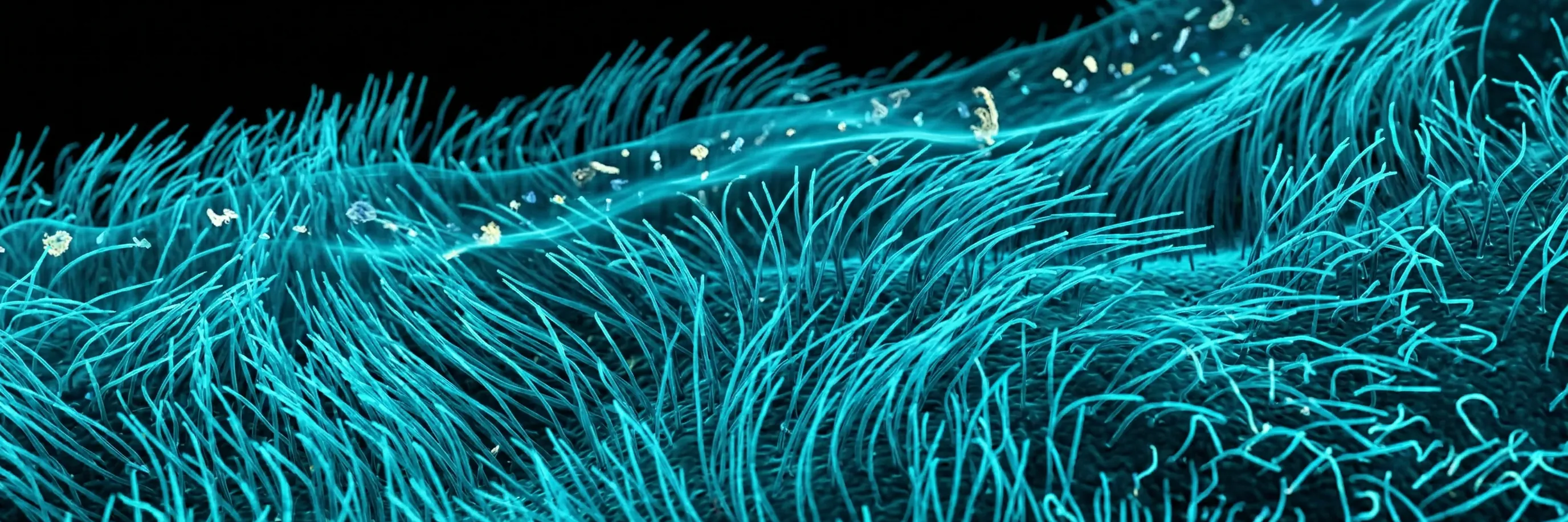
يبدأ السعال وتغيرات الجهاز التنفسي بعد الإقلاع عن التدخين الإلكتروني حول اليوم 3-4 وقد تبدو في البداية وكأنها تفاقم للأعراض. في الحقيقة، زيادة السعال وإنتاج المخاط علامتا شفاء: فأهداب رئتيك (الشعيرات المجهرية المنظِّفة) تتجدد وتكنس بنشاط الجسيمات فائقة الدقة التي ترسبت خلال شهور أو سنوات من استنشاق الرذاذ. هذا السعال المنتج يبلغ ذروته عادةً حول الأيام 5-7 ويزول بحلول اليوم 14. وتتحسن سعة التنفس بشكل قابل للقياس طوال هذه الفترة.
التدخين الإلكتروني يرسب جسيمات فائقة الدقة في عمق رئتيك مع كل نفحة. هذه الجسيمات — المكونة من البروبيلين غليكول والغليسرين النباتي والنيكوتين ونواتج عنصر التسخين — تستقر في الحويصلات الهوائية (الأكياس الهوائية الدقيقة حيث يدخل الأكسجين إلى دمك). وكانت آلية التنظيف الطبيعية في رئتيك (المصعد المخاطي الهدبي) معطلة أثناء التدخين الإلكتروني النشط. عند الإقلاع، يعود هذا النظام إلى العمل وتبدأ عملية التنظيف بجدية.
متى يبدأ
تبدأ التغيرات التنفسية خلال ساعات من الإقلاع — إذ تبدأ القصبات بالاسترخاء مع تخفف التشنج القصبي المدفوع بالنيكوتين. لكن السعال الملحوظ وإنتاج المخاط لا يبدآن عادةً قبل اليوم 3-4. يحدث هذا التأخير لأن تجدد الأهداب يستغرق وقتاً — فالتراكيب الشعرية المجهرية المبطنة لمجاريك الهوائية تضررت بالتعرض المزمن للرذاذ وتحتاج عدة أيام لتنمو من جديد وتبدأ العمل.
متى يبلغ ذروته
يبلغ السعال المنتج ذروته حول الأيام 5-7. هنا تكنس الأهداب المتجددة حديثاً الجسيمات والمخاط المتراكمين من مجاريك الهوائية بأقصى معدل. وقد تخرج مخاطاً أكثر مما توقعت — وهذا هو الحطام المتراكم أثناء التدخين الإلكتروني النشط. قد يكون السعال رطباً ومستمراً ومقلقاً في البداية. لكنه شفاء.
متى يختفي
عند معظم الناس، يزول السعال المنتج أو يتراجع تراجعاً كبيراً بحلول اليوم 14. وتتحسن سعة التنفس (المقاسة بحجم الزفير القسري في الثانية الأولى FEV1) بشكل قابل للقياس خلال الأسبوع الأول وتستمر بالتحسن لشهور. وينخفض تفاعل القصبات — أي ميل مجاريك الهوائية إلى التقلص — طوال هذه الفترة. ويلاحظ بعض الناس قدرتهم على أخذ أنفاس أعمق بحلول اليوم 7. التعافي الرئوي الكامل من التدخين الإلكتروني يستغرق شهوراً، لكن أبرز التحسنات تحدث في الأسابيع الـ2-4 الأولى.
لماذا يحدث
ثلاث عمليات تقود التغيرات التنفسية: (1) زوال التشنج القصبي — النيكوتين يحفز الجهاز العصبي الودي مسبباً تضيقاً قصبياً مزمناً. وعند زوال النيكوتين، تسترخي مجاريك الهوائية وتنفتح. (2) تجدد الأهداب — المصعد المخاطي الهدبي، وهو نظام التنظيف المدمج في رئتيك، كان معطلاً بالتعرض للرذاذ. تنمو أهداب جديدة وتبدأ بكنس الحطام صعوداً إلى الخارج. (3) انخفاض الالتهاب — تهدأ الاستجابة الالتهابية المزمنة لترسب الجسيمات فائقة الدقة، فيقل تورم المجاري الهوائية ويتحسن تدفق الهواء.
ماذا تفعل
لا تكبت السعال بالأدوية — فهو منتج وعلاجي. رئتاك تنظفان نفسيهما. حافظ على الترطيب لإبقاء المخاط سائلاً وأسهل في الإخراج. استخدم استنشاق البخار (حمام ساخن، وعاء ماء ساخن) لتفكيك المخاط. نم ورأسك مرفوع قليلاً إذا كان السعال الليلي مزعجاً. التمرين المعتدل يدعم تصفية الرئتين — فالمشي السريع يزيد معدل التنفس ويساعد على تحريك المخاط. إذا أنتج السعال مخاطاً مدمى، أو رافقته حمى، أو استمر أكثر من 3 أسابيع، فاستشر طبيباً.
الساعات التي يظهر فيها هذا العرض
الأسئلة الشائعة
لماذا أسعل أكثر بعد الإقلاع عن التدخين الإلكتروني؟
أهداب رئتيك (الشعيرات المجهرية المنظِّفة) كانت معطلة بالتعرض المزمن للرذاذ. والآن بعد أن توقفت عن التدخين الإلكتروني، تتجدد وتكنس بنشاط الجسيمات والمخاط المتراكمين. سعال أكثر يعني تنظيفاً أكثر. ويبلغ ذروته حول الأيام 5-7 ويزول عادةً بحلول اليوم 14.
هل من الطبيعي إخراج مخاط بالسعال بعد الإقلاع عن التدخين الإلكتروني؟
نعم. المخاط والجسيمات التي يجري إخراجها هي الحطام الذي تراكم خلال تاريخ استخدامك للسيجارة الإلكترونية. والسعال المنتج (السعال المصحوب بمخاط) علامة على أن مصعدك المخاطي الهدبي يعمل. وتختلف كمية المخاط من شخص لآخر وبحسب مدة التدخين الإلكتروني.
متى يتحسن تنفسي بعد الإقلاع عن التدخين الإلكتروني؟
يلاحظ كثيرون تنفساً أسهل خلال الأسبوع الأول مع زوال التشنج القصبي وانفتاح المجاري الهوائية. ويبدأ التحسن القابل للقياس في FEV1 خلال أسبوعين. ويستمر تحسن وظيفة الرئة على مدى 1-9 أشهر. والتعافي الكامل يتوقف على مدة استخدامك للسيجارة الإلكترونية وكثافته.
احصل على إرشاد ساعة بساعة، وإشعارات الإحاطات، والتدريب الصوتي على هاتفك.