DAY 9 OF 14Turning Point
On day 9 of quitting smoking, symptoms are mostly low. Your stress hormone rhythm is resetting, so morning alertness increasingly comes from your own body rather than the first cigarette. Your lungs are clearing mucus at close to normal speed, smell keeps sharpening, sleep hormones are finding their rhythm and clotting risk keeps falling. Cravings are occasional and tied to specific cues.
What is happening in your body today
The system that controls your stress hormones is recalibrating without nicotine driving it. Cortisol, which naturally rises in the morning to wake you up, is following its own curve again. That is why some people feel groggy for the first hour after waking this week: the first cigarette used to provide that jolt. Melatonin, which tells you when to sleep, is finding its rhythm too, and GABA, a calming chemical, is being restored.
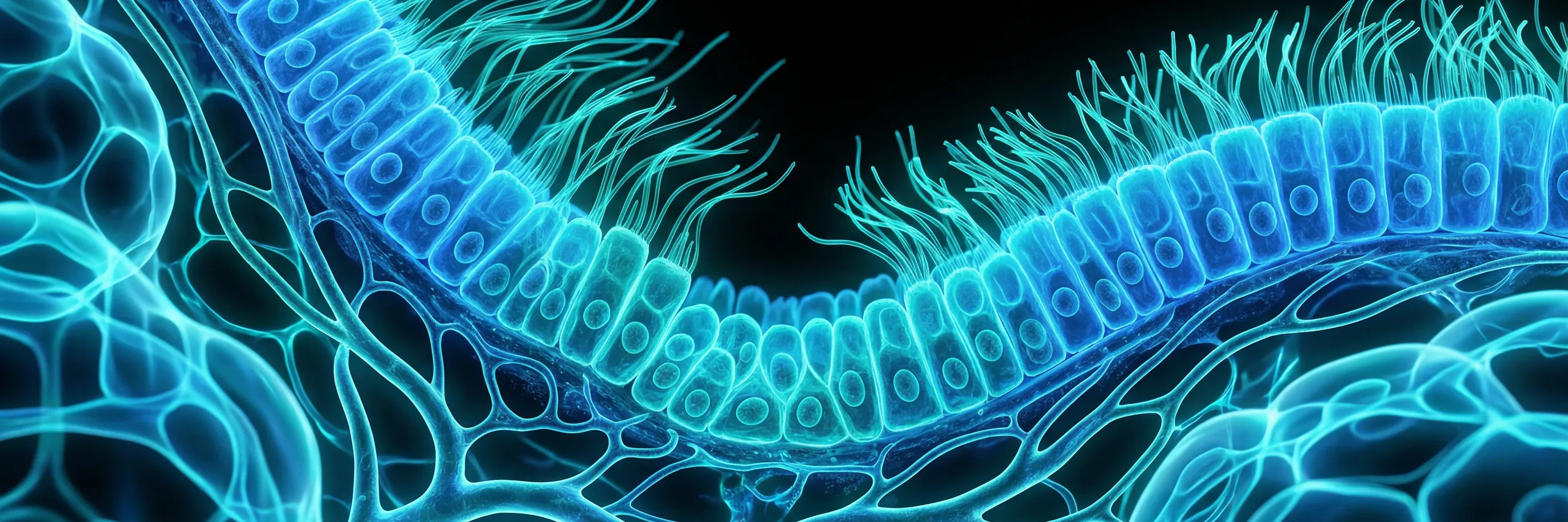
In your lungs, the surfactant that keeps air sacs open is rebuilding, new cilia are growing and mucus is moving at close to normal speed. Your artery lining is repairing, a blood-clotting factor called fibrinogen is falling and blood flow to your brain and skin is better. Smell receptor cells are regenerating from stem cells, so scents keep getting stronger, including ones you would rather not notice.
What you will probably feel
- Slow mornings. The first hour after waking can feel flat while your own cortisol rhythm takes over from the cigarette.
- Occasional strong cravings. Most of the day may be quiet, then one familiar cue triggers a surprisingly strong urge. It still passes in minutes.
- Strong smells. Coffee, rain, food and smoke all seem louder. Smoke on someone's clothes can be both off-putting and tempting.
- Hunger. Appetite remains strong, and the hormones that regulate it are still settling.
What helps today
- Build a new wake-up routine. Get daylight within half an hour of waking, drink water and move for a few minutes. These help your natural morning cortisol rise.
- Go easy on caffeine. Smoking speeds up how fast your body clears caffeine, so the same coffee can now hit harder and feed jitteriness. Consider a smaller cup.
- Use your smell. Cook something aromatic or spend time outdoors. Pleasant smells give the newly sharpened sense something better to do.
- Breathe deliberately. When a cue hits, take slow breaths with a longer exhale. It calms the stress response and shows you how much deeper your breath now goes.
DAY 9 · WATCH
Day 9 Quitting Cold Turkey: Your Brain's Blood Supply Is Changing
MILESTONES TODAY
COMMON SYMPTOMS TODAY
2 AUDIO BRIEFINGS TODAY
ALL 24 HOURS
FREQUENTLY ASKED QUESTIONS
What happens if you don't smoke for 9 days?
By day 9 your lungs are clearing mucus at close to normal speed, inflammation is substantially lower, clotting risk is falling and your stress hormone rhythm is resetting. Sleep and mood are generally steadier than in week 1. Cravings are occasional and linked to specific situations rather than a constant background need.
Do cravings ever go away after quitting smoking?
They fade a great deal, but not on a fixed date. The chemical part ends in the first week. Cue cravings shrink each time you face a trigger without smoking, and by the end of two weeks most routine triggers have been met several times. Brief, strong urges can still surface weeks or months later, especially with alcohol or stress.
What are the stages of nicotine withdrawal?
Roughly: days 1 to 3, chemical clearance, with nicotine and carbon monoxide leaving and symptoms building to a peak; days 4 to 7, the brain adjusting, with mood dips and cue cravings; days 8 to 14, settling, with symptoms mostly low and the main risk being complacency. Brain receptors continue normalizing for about 6 to 12 weeks.
Why do I feel groggy in the morning after quitting?
The first cigarette of the day used to give you a quick hit of alertness. Without it, you rely on your own morning cortisol rise, which is still recalibrating in week 2. Daylight, water, movement and a consistent wake time help. Morning grogginess usually improves over the following days.
Get hour-by-hour guidance, push notification briefings, and audio coaching delivered to your phone.

