JAM 196 DARI 336Normalisasi Detoksifikasi Hepatik
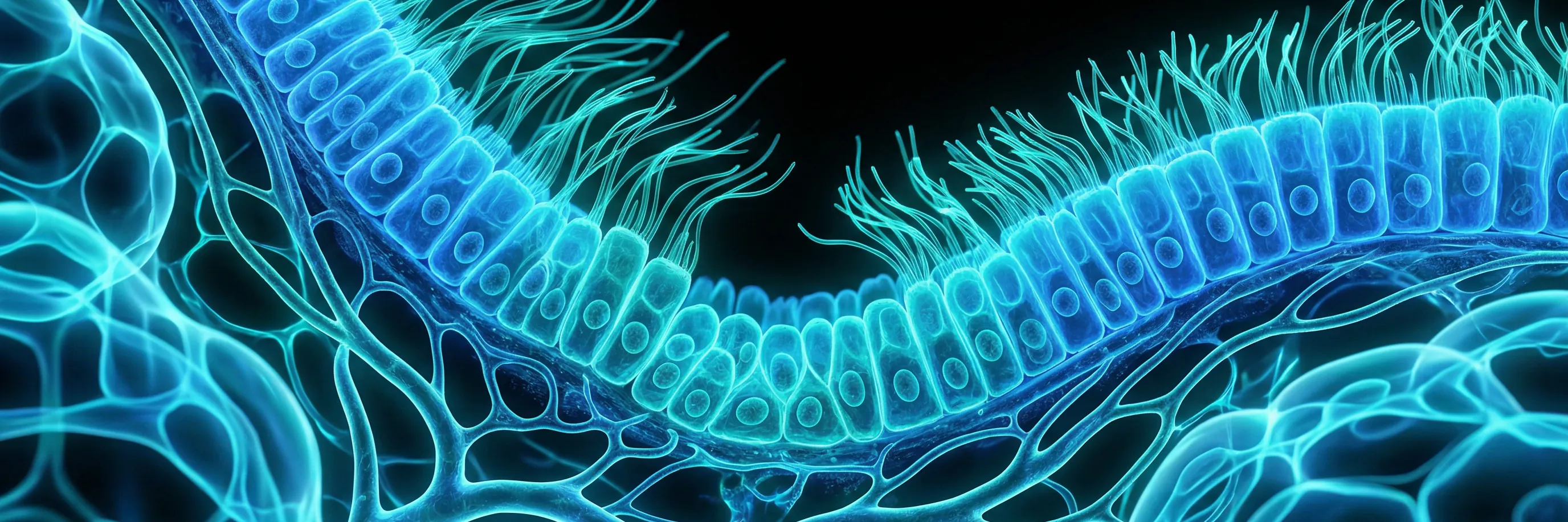
Pada jam ke-196 berhenti merokok (hari ke-9), nikotin telah benar-benar hilang dari tubuh Anda. Normalisasi Detoksifikasi Hepatik: Induksi enzim Cytochrome P450 yang disebabkan oleh hidrokarbon aromatik polisiklik dalam asap rokok sedang terbalik. Jam biologis tubuh sedang reset tanpa gangguan kronobiologis nikotin. Ini adalah tahap putus nikotin yang normal dan terdokumentasi.
APA YANG TERJADI DALAM TUBUH ANDA
Induksi enzim Cytochrome P450 yang disebabkan oleh hidrokarbon aromatik polisiklik dalam asap rokok sedang terbalik. Aktivitas CYP1A2 sedang menurun, yang dapat mengubah metabolisme kafein dan obat-obatan tertentu. Asap rokok mengandung lebih dari 7.000 bahan kimia — nikotin yang membuat Anda kecanduan, tetapi produk sampingan pembakaran (tar, karbon monoksida, formaldehida, benzena) yang menyebabkan kerusakan fisik terbesar. Saat nikotin hilang, paparan konstan terhadap racun ini juga hilang.
Saat ini — "Normalisasi Detoksifikasi Hepatik" — tubuh Anda benar-benar bebas nikotin dan fokus pada pemulihan neurologis dan jaringan.
Hari ke-9: sistem kekebalan tubuh Anda sedang mengembalikan kapasitas penuh. Jumlah sel darah putih sedang menormalkan setelah mengalami peningkatan kronis selama merokok aktif. Kemampuan tubuh Anda untuk melawan infeksi meningkat secara terukur. Kerusakan oksidatif pada DNA Anda — yang disebabkan oleh karsinogen dalam asap rokok — sedang diperbaiki oleh mekanisme perbaikan DNA bawaan sel Anda. Penyembuhan tingkat sel ini tidak terlihat tetapi sangat penting untuk pengurangan risiko kanker jangka panjang.
APA YANG ANDA RASAKAN
Jam biologis tubuh sedang reset tanpa gangguan kronobiologis nikotin.
Pagi hari adalah jendela berisiko tinggi bagi mantan perokok. "Rokok pertama hari itu" seringkali merupakan yang paling diperkuat secara psikologis dari semua rokok harian — dipasangkan dengan bangun tidur, kopi, dan transisi dari tidur ke kewaspadaan. Otak Anda sedang mencari sinyal itu sekarang. Gantikan dengan sesuatu yang fisik: meregangkan tubuh, memercikkan air dingin ke wajah, keluar untuk menghirup udara segar.
Bagi perokok jangka panjang, perubahan identitas bisa terasa mendalam. "Saya seorang perokok" mungkin telah menjadi bagian dari konsep diri Anda selama puluhan tahun — identitas sosial, strategi manajemen stres, cara istirahat, pemula percakapan. Melepaskan identitas itu tidak berarti menghapus sejarah Anda. Itu berarti mengakui bahwa diri Anda sekarang telah berkembang melampaui kebiasaan itu. Anda tidak menyerahkan sesuatu. Anda meletakkan sesuatu yang tidak lagi berguna bagi Anda. Bahasanya penting: "Saya tidak merokok" secara fundamental berbeda dari "Saya sedang berusaha berhenti." Yang satu adalah pernyataan identitas. Yang lain adalah narasi perjuangan.
APA YANG HARUS DILAKUKAN SEKARANG
Kurangi asupan kafein 25-50% karena aktivitas enzim hati Anda menormalkan, karena kafein akan dimetabolisme lebih lambat.
Fokus taktis bergeser dari manajemen krisis ke pembangunan identitas. Mulai perhatikan perbaikannya: indra penciuman Anda lebih tajam, makanan terasa lebih enak, Anda tidak meminta izin keluar dari percakapan untuk keluar, pakaian Anda tidak berbau asap, mobil Anda berbau bersih.
Kesadaran finansial membantu: hitung apa yang telah Anda hemat dalam seminggu terakhir. Jika Anda merokok satu bungkus sehari dengan harga Rp 20.000-30.000 per bungkus, Anda telah menghemat Rp 140.000-210.000 minggu ini saja. Alihkan uang itu ke tempat yang terlihat — toples, rekening, pembelian yang sudah Anda tunda. Buat manfaatnya nyata.
APA YANG DIHARAPKAN JAM INI
Di jam-jam pagi awal pada hari ke-9 berhenti merokok, gejala putus nikotin relatif dapat dikelola. Tubuh Anda benar-benar bebas dari nikotin — semua gejala yang tersisa adalah adaptasi neurologis, bukan putus kimia. Fase Titik Balik (Hari ke 8-10) adalah saat banyak mantan perokok merasakan pergeseran dari penderitaan ke pemulihan. Gejala fisik semakin mereda, dan mekanisme perbaikan tubuh Anda sedang bekerja penuh.
PERUBAHAN TUBUH
Kadar nikotin: 0% — benar-benar hilang dari aliran darah Anda. Tubuh Anda mencapai pembersihan nikotin lengkap pada jam ke-72.
Downregulasi reseptor nikotinik asetilkolin sedang terjadi secara aktif di otak Anda. Kelebihan reseptor yang terbangun selama bertahun-tahun merokok sedang dipangkas kembali menuju baseline non-perokok.
Silia paru Anda — struktur seperti rambut kecil yang dilumpuhkan oleh asap rokok — sedang beregenerasi dan mulai menyapu tar dan kotoran yang terakumulasi dari saluran napas Anda. Inilah sebabnya Anda mungkin lebih banyak batuk: ini adalah tanda penyembuhan, bukan kerusakan.
GEJALA UMUM HARI INI
PERTANYAAN YANG SERING DIAJUKAN
Apakah normal merasakan hal ini 196 jam setelah berhenti merokok?
Ya. Pada jam ke-196 (hari ke-9), tubuh Anda benar-benar bebas dari nikotin dan mengalami adaptasi neurologis. Gejala yang Anda alami — yang ringan pada tahap ini — adalah bagian terdokumentasi dari putus nikotin dan akan berlalu.
Kapan mulai terasa lebih baik setelah berhenti merokok?
Sebagian besar orang yang berhenti merokok secara mendadak melaporkan perubahan yang terlihat antara hari ke 8-10. Anda berada di hari ke-9 — tepat di jendela itu. Yang terburuk sudah di belakang Anda. Hasrat menjadi kurang sering (biasanya 1-2 per hari daripada puluhan), tidur membaik, dan banyak orang melaporkan hari pertama mereka merasa benar-benar baik. Timelinenya bervariasi menurut individu, tetapi trendnya tidak dapat disalahkan sekarang.
Dapatkan panduan jam demi jam, briefing notifikasi push, dan pelatihan audio langsung ke ponsel Anda.