HEURE 216 SUR 336Neuf jours sans tabac accomplis
À l'heure 216 d'arrêt du tabac (jour 9), la nicotine a été complètement éliminée de votre organisme. Neuf jours sans tabac accomplis : neuf journées complètes sans cigarette. La fonction pulmonaire est mesurablement améliorée, l'inflammation systémique est largement réduite, et la compétence immunitaire approche les niveaux d'un non-fumeur. Vos récepteurs nicotiniques continuent de se recalibrer vers le niveau de référence d'un non-fumeur jusqu'au jour 14. Cinq jours restent, et les plus durs sont derrière vous.
CE QUI SE PASSE DANS VOTRE CORPS
Neuf jours complets sans nicotine. La fonction pulmonaire s'est améliorée de manière mesurable, l'inflammation systémique est considérablement réduite et la compétence immunitaire approche les niveaux d'un non-fumeur. Les processus de réparation tissulaire de l'organisme fonctionnent à pleine capacité. La fumée de cigarette contient plus de 7 000 substances chimiques — la nicotine est ce qui vous rend dépendant, mais les sous-produits de combustion (goudron, monoxyde de carbone, formaldéhyde, benzène) causent les dommages physiques les plus importants. À mesure que la nicotine s'élimine, l'exposition constante à ces toxines disparaît également.
En ce moment — « Étape du neuvième jour accompli » — votre corps est complètement libéré de la nicotine et concentré sur la récupération neurologique et tissulaire.
Jour 9 : votre système immunitaire retrouve sa pleine capacité. Le nombre de globules blancs se normalise après avoir été chroniquement élevé pendant le tabagisme actif. Votre capacité à combattre les infections s'améliore de manière mesurable. Les dommages oxydatifs à votre ADN — causés par les carcinogènes de la fumée de cigarette — sont réparés par les mécanismes de réparation de l'ADN intégrés à vos cellules. Cette guérison au niveau cellulaire est invisible mais extrêmement importante pour la réduction du risque de cancer à long terme.
Votre fonction pulmonaire s'est améliorée de manière mesurable. Votre inflammation systémique s'est considérablement résorbée. Votre système immunitaire approche la compétence de quelqu'un qui n'a jamais utilisé de nicotine. Parlons de ce qui arrive quand l'argent que vous économisez devient réel.
CE QUE VOUS RESSENTEZ
Atteindre le jour 9 solidifie l'élan psychologique du sevrage et renforce les fondations pour l'abstinence à long terme.
Le soir évoque des associations puissantes chez les fumeurs — la cigarette de détente, celle d'après-dîner, celle du soir sur le perron. Ce sont des rituels de confort, pas seulement des moyens d'apporter de la nicotine. Les remplacer nécessite non seulement d'éviter la cigarette mais de créer activement une nouvelle routine de détente. Une boisson chaude, des étirements légers ou la lecture peuvent signaler à votre cerveau que « la journée se termine » sans la fumée.
Pour les fumeurs de longue date, le changement d'identité peut sembler profond. « Je suis fumeur » a peut-être fait partie de votre concept de soi pendant des décennies — une identité sociale, une stratégie de gestion du stress, une façon de faire des pauses, un moyen d'engager la conversation. Abandonner cette identité ne signifie pas effacer votre histoire. Cela signifie reconnaître que la personne que vous êtes aujourd'hui a dépassé cette habitude. Vous n'abandonnez rien. Vous posez quelque chose qui ne vous sert plus. Le langage compte : « Je ne fume pas » est fondamentalement différent de « J'essaie d'arrêter ». L'un est une déclaration d'identité. L'autre est un récit de lutte.
QUE FAIRE MAINTENANT
Récompensez-vous avec un plaisir non alimentaire significatif acheté avec l'argent économisé en neuf jours sans acheter de cigarettes.
L'approche tactique passe de la gestion de crise à la construction d'identité. Commencez à remarquer les améliorations : votre odorat est plus fin, la nourriture a meilleur goût, vous ne vous excusez plus pour sortir des conversations, vos vêtements ne puent plus la fumée, votre voiture sent bon.
La prise de conscience financière aide : calculez ce que vous avez économisé cette semaine. Si vous fumiez un paquet par jour à 8-14 € le paquet, vous avez économisé 56-98 € cette semaine seulement. Redirigez cet argent vers quelque chose de visible — un bocal, un compte, un achat que vous reportiez. Rendez le bénéfice tangible.
À QUOI S'ATTENDRE CETTE HEURE
Alors que la soirée progresse au jour 9 d'arrêt du tabac, cette heure est un moment jalon de votre récupération. La nicotine est à zéro depuis l'heure 72 — ce qui reste, c'est votre cerveau qui se recalibre, pas un sevrage chimique. La phase du point de bascule (jours 8-10) est celle où la plupart des ex-fumeurs sentent le passage de la souffrance à la guérison. Marquez la journée. Cinq à faire, le travail physique est largement accompli, et ce qui reste relève de la gestion des signaux.
CHANGEMENTS CORPORELS
Taux de nicotine : 0% — complètement éliminée de votre circulation sanguine. Votre corps a atteint l'élimination complète de la nicotine à l'heure 72.
La régulation à la baisse des récepteurs nicotiniques de l'acétylcholine se produit activement dans votre cerveau. L'excès de récepteurs accumulé au fil des années de tabagisme est éliminé pour revenir vers les valeurs de base d'un non-fumeur.
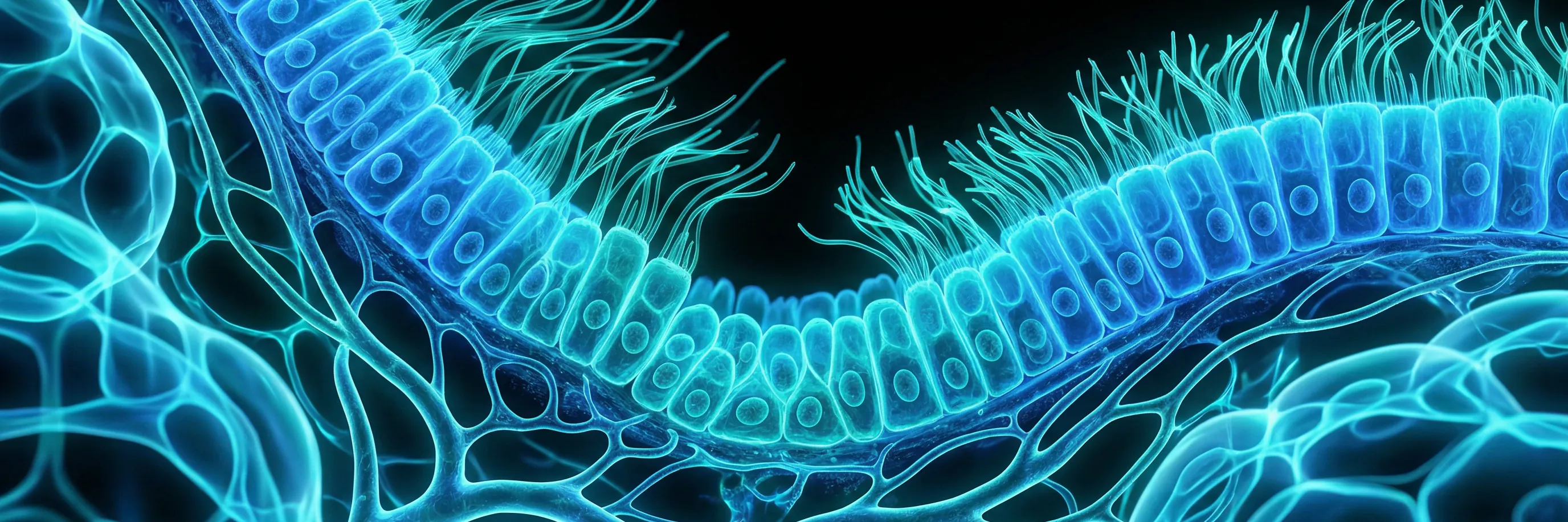
Vos cils pulmonaires — les petites structures en forme de poils qui étaient paralysées par la fumée de cigarette — se régénèrent et commencent à balayer le goudron et les débris accumulés hors de vos voies respiratoires. C'est pourquoi vous toussez peut-être plus : c'est un signe de guérison, pas de dommage.
SYMPTÔMES COURANTS AUJOURD'HUI
FOIRE AUX QUESTIONS
Est-il normal de se sentir ainsi 216 heures après l'arrêt du tabac ?
Oui. À l'heure 216 (jour 9), votre organisme n'a reçu aucune nicotine depuis l'heure 72 et votre cerveau se recalibre encore. Les symptômes que vous remarquez — qui marquent un jalon à ce stade — font partie documentée du sevrage nicotinique après l'arrêt de la cigarette, et ils passeront. Si vous toussez, ce sont vos cils qui évacuent le goudron, et cela se poursuit sur plusieurs semaines.
Quand commence-t-on à se sentir mieux après l'arrêt du tabac ?
La plupart des personnes qui arrêtent de fumer d'un coup rapportent le tournant entre les jours 8-10, et vous êtes au jour 9. Les envies retombent à environ 1-2 par jour au lieu de dizaines, elles sont désormais liées aux signaux — le bar, la pause, le pic de stress — et chacune dure 3-5 minutes au maximum. Le sommeil se stabilise parce qu'aucun rebond de nicotine ne vous réveille. La chronologie varie selon l'individu, mais au jour 9 la direction est indiscutable.
Quelle est la signification d'atteindre 216 heures (jour 9) sans fumer ?
L'heure 216 est un jalon majeur : neuf journées complètes sans cigarette. La fonction pulmonaire est mesurablement améliorée, l'inflammation systémique est largement réduite, et la compétence immunitaire approche les niveaux d'un non-fumeur. La récupération des cils se poursuit au cours des semaines à venir et le recalibrage des récepteurs approche le niveau de référence d'un non-fumeur au jour 14. Chaque jalon franchi augmente vos chances de rester définitivement sans cigarette.
Obtenez des conseils heure par heure, des briefings par notifications push, et un accompagnement audio livré sur votre téléphone.