HOUR 214 OF 336Sleep Hormone Rhythm Returning
At hour 214 of quitting smoking (day 9), nicotine has been completely cleared from your body. Sleep Hormone Rhythm Returning: Pineal melatonin release is normalizing without nicotine interfering with it, so drowsiness arrives at a sensible hour and stays. There is no overnight nicotine rebound to wake you and no craving for the cigarette that used to go with it. Sleep does its repair work uninterrupted.
WHAT'S HAPPENING IN YOUR BODY
Pineal melatonin secretion patterns are normalizing without nicotine's interference with melatonin synthesis pathways. Improved melatonin amplitude supports deeper, more restorative sleep and enhanced circadian entrainment. Cigarette smoke contains over 7,000 chemicals — the nicotine is what hooks you, but the combustion byproducts (tar, carbon monoxide, formaldehyde, benzene) are what cause the most physical damage. As nicotine clears, so does the constant exposure to these toxins.
At this moment — "Melatonin Secretion Normalizing" — your body is completely nicotine-free and focused on neurological and tissue recovery.
Day 9: your immune system is regaining full capacity. White blood cell counts are normalizing after being chronically elevated during active smoking. Your body's ability to fight infection is measurably improved. The oxidative damage to your DNA — caused by carcinogens in cigarette smoke — is being repaired by your cells' built-in DNA repair mechanisms. This cellular-level healing is invisible but profoundly important for long-term cancer risk reduction.
HOW YOU'RE FEELING
Natural drowsiness at appropriate evening hours is becoming more reliable and consistent.
Evening carries powerful associations for smokers — the wind-down smoke, the after-dinner cigarette, the nightcap on the porch. These are comfort rituals, not just nicotine delivery. Replacing them requires not just avoiding the cigarette but actively creating a new wind-down routine. A warm drink, light stretching, or reading can signal "day is ending" to your brain without the smoke.
For long-term smokers, the identity shift can feel profound. "I'm a smoker" may have been part of your self-concept for decades — a social identity, a stress management strategy, a way of taking breaks, a conversation starter. Releasing that identity doesn't mean erasing your history. It means recognizing that the person you are now has outgrown the habit. You're not giving something up. You're putting something down that no longer serves you. The language matters: "I don't smoke" is fundamentally different from "I'm trying to quit." One is an identity statement. The other is a struggle narrative.
WHAT TO DO RIGHT NOW
Dim all screens and overhead lights 60 minutes before bed to maximize your recovering melatonin response.
Tactical focus shifts from crisis management to identity building. Start noticing the improvements: your sense of smell is sharper, food tastes better, you're not excusing yourself from conversations to step outside, your clothes don't reek of smoke, your car smells clean.
Body awareness helps: take stock of the past week physically. Breathing easier on stairs, the morning cough changing character as cilia clear, food tasting like food again. Write the changes somewhere visible. Make the benefit tangible.
WHAT TO EXPECT THIS HOUR
As the evening progresses on day 9 of quitting smoking, withdrawal symptoms are relatively manageable. Nicotine has been at zero since hour 72 — what is left is your brain recalibrating, not chemical withdrawal. The Turning Point phase (Days 8-10) is where most ex-smokers feel the shift from suffering to recovery. No nicotine rebound is going to wake you tonight. Let a normal bedtime settle in rather than pushing through to prove a point.
BODY CHANGES
Nicotine level: 0% — completely cleared from your bloodstream. Your body achieved full nicotine clearance at hour 72.
Nicotinic acetylcholine receptor downregulation is actively occurring in your brain. The excess receptors built up over years of smoking is being pruned back toward non-smoker baseline.
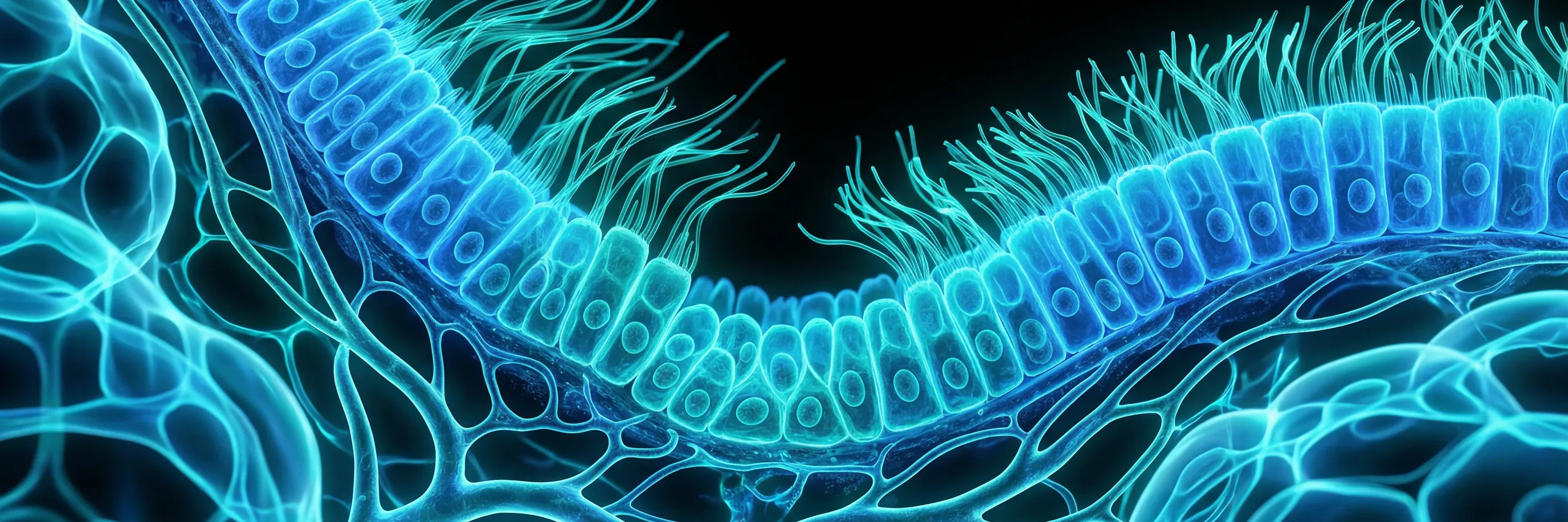
Your lung cilia — the tiny hair-like structures that were paralyzed by cigarette smoke — are regenerating and beginning to sweep accumulated tar and debris out of your airways. This is why you may be coughing more: it's a sign of healing, not damage.
COMMON SYMPTOMS TODAY
FREQUENTLY ASKED QUESTIONS
Is it normal to feel this way 214 hours after quitting smoking?
Yes. At hour 214 (day 9), your body has had zero nicotine since hour 72 and your brain is still recalibrating. The symptoms you're noticing — which are low at this stage — are a documented part of nicotine withdrawal after quitting cigarettes, and they will pass. If you are coughing, that is your cilia clearing tar, and it continues over weeks.
When does it start to feel better after quitting smoking?
Most people who quit smoking cold turkey report the turn between days 8-10, and you are at day 9. Cravings drop to roughly 1-2 per day instead of dozens, they are cue-based now — the bar, the break, the stress spike — and each one runs 3-5 minutes at most. Sleep settles because there is no nicotine rebound waking you. The timeline varies by individual, but by day 9 the direction is unmistakable.
Will I sleep normally without a cigarette before bed?
Yes. Melatonin release is normalizing now that nicotine is not interfering with it, so drowsiness arrives on schedule. There is no overnight nicotine rebound to wake you, and the bedtime cigarette is simply an empty slot — a fixed wind-down routine closes it faster than willpower does.
Get hour-by-hour guidance, push notification briefings, and audio coaching delivered to your phone.

