ضبابية الدماغ والتركيز بعد الإقلاع عن التدخين الإلكتروني
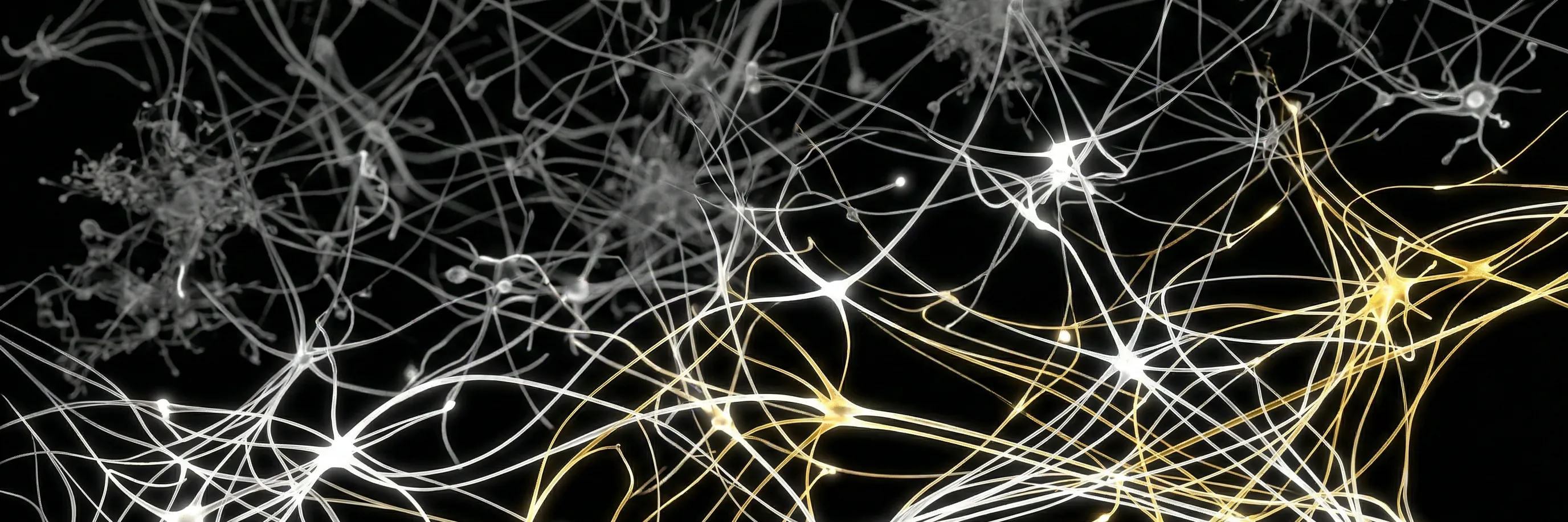
تبدأ ضبابية الدماغ وصعوبة التركيز بعد الإقلاع عن التدخين الإلكتروني عادةً خلال 12-24 ساعة وتبلغ ذروتها خلال الأيام 1-3. قشرتك الجبهية المقدمة — منطقة الدماغ المسؤولة عن التركيز واتخاذ القرار والذاكرة العاملة — كانت مُعزَّزة اصطناعياً بتحفيز النيكوتين لمستقبلات الأسيتيل كولين. وبدون النيكوتين، على دماغك أن يعيد بناء إنتاجه الخاص من الأسيتيل كولين. تبدأ الوظيفة الإدراكية بالتعافي بحلول اليوم 5 وتعود عادةً إلى طبيعتها بحلول اليوم 14.
ضبابية الدماغ من أكثر أعراض انسحاب التدخين الإلكتروني إحباطاً لأنها تمس قدرتك على الأداء في العمل والدراسة واتخاذ القرارات — بما فيها قرار الاستمرار في الامتناع. وفهم سببها يجعل تحمّلها أسهل: دماغك لا يزداد سوءاً؛ بل ينتقل من التعزيز الاصطناعي إلى الوظيفة الطبيعية.
متى يبدأ
تبدأ الصعوبات الإدراكية عندما تنخفض مستويات النيكوتين تحت العتبة اللازمة لتنشيط مستقبلات الأسيتيل كولين في قشرتك الجبهية المقدمة، عادةً خلال 12-24 ساعة. المهام التي كانت سهلة أثناء التدخين الإلكتروني النشط — القراءة، الكتابة، الحساب، الحفاظ على الانتباه — قد تبدو فجأة أصعب. وهذا ليس لأن النيكوتين كان يجعلك أذكى، بل لأن دماغك صار يعتمد على نيكوتين خارجي لإشارات الأسيتيل كولين الطبيعية.
متى يبلغ ذروته
تبلغ ضبابية الدماغ ذروتها خلال الأيام 1-3، بالتزامن مع أقصى إزالة تشبع للمستقبلات. والأكثر تأثراً هي الذاكرة العاملة والانتباه المستمر وسرعة المعالجة. ويصفها كثيرون بأنها 'التفكير عبر طبقة قطن' أو 'عدم القدرة على الإمساك بفكرة'. وبحلول اليوم 4-5، تبدأ الضبابية بالانقشاع مع رفع دماغك لإنتاجه الداخلي من الأسيتيل كولين.
متى يختفي
تتحسن الوظيفة الإدراكية بشكل ملحوظ بحلول اليوم 5-7 وتكون عادةً عند كامل طاقتها أو قريبة منها بحلول اليوم 14. ويحقق جهازك الكوليني (مسار إنتاج الأسيتيل كولين) استقلاله عن النيكوتين الخارجي خلال هذه الفترة. ويقول كثيرون إن وظيفتهم الإدراكية في اليوم 14 أفضل مما كانت أثناء التدخين الإلكتروني النشط — أوضح وأكثر استمراراً وأقل ارتهاناً بالنفحة التالية.
لماذا يحدث
النيكوتين محفز قوي لمستقبلات الأسيتيل كولين. في قشرتك الجبهية المقدمة، كان يعزز الوظيفة الإدراكية بتحفيز الجهاز الكوليني اصطناعياً. وعند الإقلاع، تجد هذه المستقبلات نفسها فجأة بلا محفز. وعلى دماغك أن يزيد إنتاجه الخاص من الأسيتيل كولين — وهي عملية تستغرق أياماً. وخلال هذا الانتقال، تعمل القشرة الجبهية المقدمة دون طاقتها الطبيعية، منتجةً التجربة الذاتية المعروفة بضبابية الدماغ.
ماذا تفعل
تناول وجبات غنية بالبروتين — فدماغك يحتاج الجلوكوز والأحماض الأمينية لإنتاج النواقل العصبية. لا تتخطَّ الوجبات أثناء الانسحاب؛ فهبوط سكر الدم يضخّم الضعف الإدراكي. قسّم المهام المعقدة إلى خطوات أصغر. استخدم قوائم مكتوبة بدلاً من الاعتماد على الذاكرة العاملة. اجدول العمل الذهني الشاق في أفضل ساعاتك (عادةً منتصف الصباح، بعد ذروة الكورتيزول الصباحية). التمرين البدني يحسن الوظيفة الإدراكية بشكل حاد — حتى المشي 10 دقائق قد يزيح الضبابية مؤقتاً. تقبّل انخفاض إنتاجيتك في الأيام 1-5 ولا تفسره على أنه دائم.
الساعات التي يظهر فيها هذا العرض
الأسئلة الشائعة
كم تستمر ضبابية الدماغ بعد الإقلاع عن التدخين الإلكتروني؟
تبلغ ضبابية الدماغ ذروتها خلال الأيام 1-3، وتبدأ بالانقشاع حول اليوم 5، وتزول عادةً بحلول اليوم 14. ويوافق هذا الجدول الزمني إعادة بناء جهازك الكوليني لقدرته على إنتاج الأسيتيل كولين بنفسه بعد شهور أو سنوات من الاعتماد على النيكوتين كمحفز خارجي.
هل ستعود وظيفتي الإدراكية إلى طبيعتها؟
نعم — وعند كثير من الناس تعود أفضل من طبيعتها. فالتدخين الإلكتروني النشط يخلق دورة إدراكية من صعود وهبوط: حدة بعد النفحة، وضبابية قبل التالية. وبدون النيكوتين، تستقر وظيفتك الإدراكية عند مستوى ثابت بلا قمم ولا قيعان. بحلول اليوم 14، يقول معظم الناس إن انتباههم أوضح وأكثر استمراراً.
هل يمكنني تناول شيء يساعد على ضبابية الدماغ أثناء الانسحاب؟
القهوة (باعتدال — لا تتجاوز كميتك المعتادة) توفر بعض التحفيز لمستقبلات الأسيتيل كولين. وأحماض أوميغا-3 الدهنية تدعم صحة الخلايا العصبية. حافظ على الترطيب. أما أنجع تدخل فهو التمرين: 10-30 دقيقة من التمارين الهوائية المعتدلة تحسن الوظيفة الإدراكية بشكل حاد عبر زيادة تدفق الدم الدماغي وإفراز النواقل العصبية.
احصل على إرشاد ساعة بساعة، وإشعارات الإحاطات، والتدريب الصوتي على هاتفك.