السعال وتغيرات الجهاز التنفسي بعد الإقلاع عن التدخين
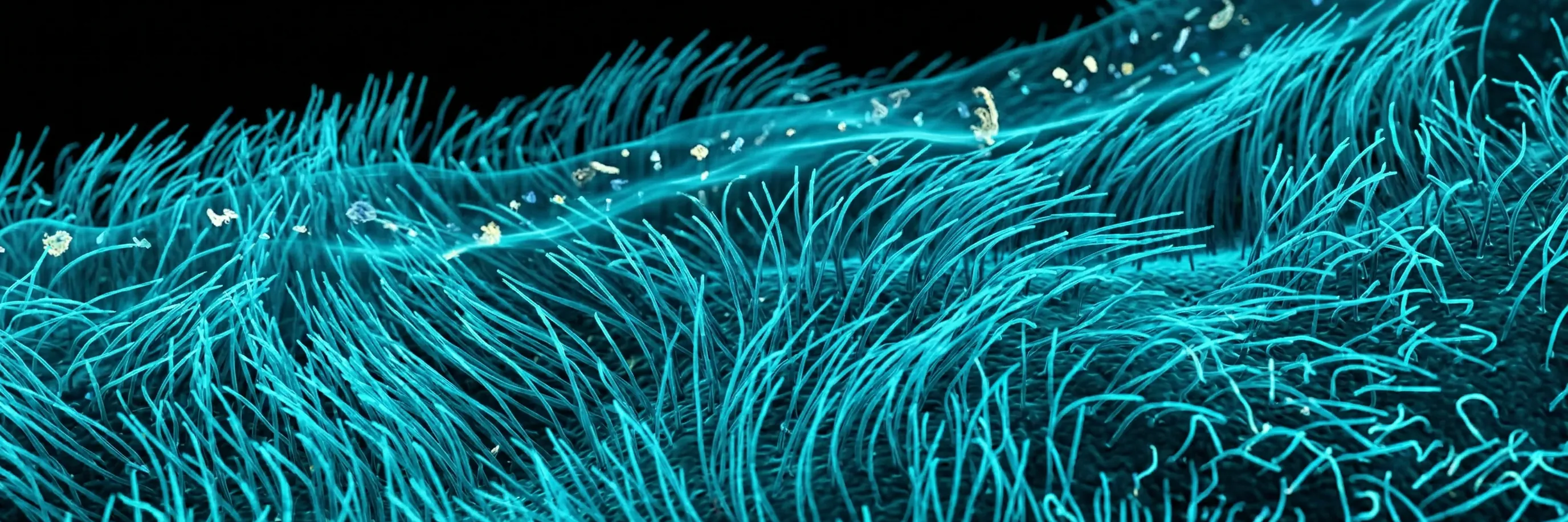
يبدأ ازدياد السعال بعد الإقلاع عن التدخين حول اليوم 3-4 وهو من أهم علامات الشفاء. أهداب رئتيك — التراكيب المجهرية الشبيهة بالشعر التي شلها وأتلفها دخان السجائر الساخن — تتجدد وتكنس خارجاً سنوات من القطران والجسيمات والمخاط المتراكم. يبلغ هذا السعال المنتج ذروته حول الأيام 5-7 ويزول تدريجياً خلال 2-4 أسابيع. وتتحسن سعة التنفس بشكل قابل للقياس خلال أول أسبوعين وتستمر بالتحسن لشهور.
مفارقة 'سعال المدخن': كثيرون يسعلون أقل أثناء التدخين وأكثر بعد الإقلاع. يبدو ذلك معاكساً للبديهة لكنه منطقي تماماً. دخان السجائر يشل ويدمر الأهداب المبطنة لمجاريك الهوائية — ومع تعطل نظام التنظيف، يتراكم الحطام بصمت. عند الإقلاع، تتجدد الأهداب، ويعود نظام التنظيف للعمل، وتبدأ رئتاك بطرد سنوات من القطران المتراكم. سعال أكثر يعني شفاءً أكثر.
متى يبدأ
يبدأ السعال المنتج عادةً حول اليوم 3-4. وقد يبدو اليومان 1-2 أهدأ من حيث السعال لأن أهدابك لم تتجدد بعد. وحالما تبدأ أهداب جديدة بالنمو والعمل، تحرك حركة الكنس القطران والمخاط المتراكمين في مجاريك الهوائية.
متى يبلغ ذروته
يبلغ السعال المنتج ذروته حول الأيام 5-10، حين يكون تجدد الأهداب في أنشط حالاته وتصفية الحطام المتراكم في أعلى معدلاتها. وقد تخرج كميات كبيرة من المخاط — داكنة أو متغيرة اللون أحياناً بفعل ترسبات القطران. هذا تنظيف علاجي.
متى يختفي
لدى المدخنين الخفيفين والمتوسطين، يزول السعال المنتج عادةً خلال 2-4 أسابيع. أما المدخنون الشرهون طويلو الأمد فقد يسعلون عدة أسابيع بينما تصفي رئتاهم تراكماً أكبر. ويتحسن FEV1 (مقياس سعة الرئة) خلال أسبوعين ويُظهر تحسناً لافتاً عند 3 أشهر. وعند 9 أشهر، يكون معظم السعال المتبقي وضيق النفس قد زال.
لماذا يحدث
دخان السجائر عند 600-900°م يحرق ويشل الأهداب المبطنة لمجاريك الهوائية. ومع تعطل المصعد المخاطي الهدبي، يتراكم القطران والمواد المسرطنة والجسيمات في رئتيك بلا وسيلة لإزالتها. عند الإقلاع: (1) تبدأ الأهداب بالتجدد خلال أيام، (2) يعود المصعد المخاطي الهدبي للعمل، (3) يُكنس الحطام المتراكم صعوداً ويُخرج بالسعال. إضافةً إلى ذلك، يزول التشنج القصبي (النيكوتين كان يسبب تضيقاً قصبياً مزمناً)، وينخفض التهاب المجاري الهوائية، ويزداد إنتاج المخاط مؤقتاً مع تفعيل جهاز المناعة في رئتيك لعملية التنظيف.
ماذا تفعل
لا تكبت السعال — فهو منتج وعلاجي. حافظ على الترطيب لإبقاء المخاط سائلاً. استنشاق البخار (حمام ساخن، مرطب هواء) يفكك المخاط. التمرين المعتدل يزيد معدل التنفس ويدعم التصفية. نم ورأسك مرفوع قليلاً إذا كان السعال الليلي يعكر نومك. وإذا أنتج السعال دماً، أو رافقته حمى، أو استمر أكثر من 4 أسابيع، فراجع طبيباً — فقد يشير ذلك إلى حالة منفصلة.
الساعات التي يظهر فيها هذا العرض
الأسئلة الشائعة
لماذا أسعل أكثر بعد الإقلاع عن التدخين؟
أهداب رئتيك — الشعيرات المجهرية المنظِّفة التي دمرها دخان السجائر — تتجدد وتكنس خارجاً سنوات من القطران والحطام المتراكم. سعال أكثر يعني أن رئتيك تنظفان نفسيهما لأول مرة. إنه أهم علامة على الشفاء التنفسي.
كم يستمر السعال بعد الإقلاع عن التدخين؟
المدخنون الخفيفون والمتوسطون: 2-4 أسابيع. المدخنون الشرهون طويلو الأمد: حتى عدة أسابيع. ويكون السعال في أشده حول الأيام 5-10 ثم يتراجع تدريجياً. ويبدأ تحسن FEV1 خلال أسبوعين ويصبح لافتاً عند 3 أشهر.
هل المخاط الداكن طبيعي بعد الإقلاع عن التدخين؟
نعم. المخاط الداكن أو البني هو القطران والجسيمات التي تُصفّى من مجاريك الهوائية. ويفتح لونه عادةً خلال أيام مع تصفية التراكم. هذا بالضبط ما ينبغي أن يحدث.
احصل على إرشاد ساعة بساعة، وإشعارات الإحاطات، والتدريب الصوتي على هاتفك.