336

Mouth & Taste Changes بعد الإقلاع عن التدخين

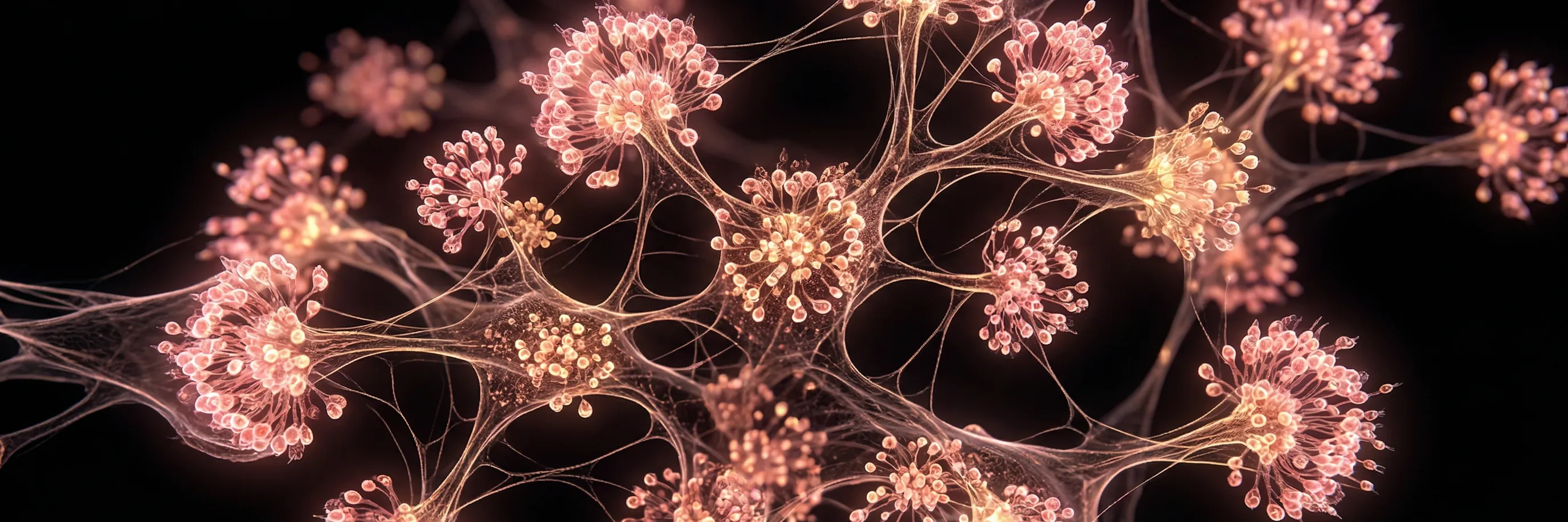
Clinical visualization of mouth & taste changes during smoking withdrawal

Mouth and taste changes after quitting smoking are among the most dramatic and positive withdrawal symptoms. Within 48 hours, your taste buds begin recovering from chronic exposure to hot smoke, tar, and 7,000+ chemicals. Food tastes richer, more complex, sometimes overwhelmingly vivid. Your sense of smell sharpens equally. Salivary function improves. Gum tissue, previously starved of blood flow, begins healing. By day 14, a full taste bud regeneration cycle is complete.

Cigarette smoke damages taste buds through direct thermal injury (hot smoke), chemical irritation (tar and toxins), and nicotine-driven vasoconstriction that reduces blood flow to oral tissues. The recovery, when it comes, is one of the most pleasurable surprises of quitting — food genuinely tastes better, and the improvement is dramatic.

متى يبدأ

Taste changes begin within 24-48 hours. The first sign is often a metallic or unusual taste in your mouth as your oral chemistry shifts. Within 48 hours, flavors start becoming more vivid. Coffee, fruit, spices — things you've eaten for years may taste noticeably different.

متى يبلغ ذروته

The most dramatic taste improvements occur between days 5-10, as newly regenerated taste receptor cells (which turn over every 10-14 days) mature. These new cells have never been exposed to cigarette smoke. Many people describe week 2 as a revelation — 'I didn't realize how much I was missing.'

متى يختفي

Taste and oral recovery continue for weeks to months. By day 14, a full taste bud regeneration cycle is complete. Gingival blood flow is substantially improved. The chronic oral dehydration and tissue damage from hot smoke is healing. Your oral microbiome is shifting toward the healthy profile of a non-smoker.

لماذا يحدث

Hot cigarette smoke directly damages taste receptor cells. Tar coats the tongue. Nicotine constricts the blood vessels that supply your taste buds, gums, and oral mucosa with oxygen and nutrients. The 7,000+ chemicals in smoke chronically irritate oral tissues. When you quit, all of these insults stop simultaneously. Your taste buds regenerate on their natural 10-14 day cycle, and the new cells are healthier, more sensitive, and undamaged.

ماذا تفعل

Embrace it — improved taste is one of the genuine pleasures of quitting. Cook a meal with fresh ingredients and pay attention. Brush your teeth and tongue twice daily to accelerate the clearance of residual tar from your oral surfaces. Stay hydrated. If your gums bleed when brushing, it's because improved blood flow is reaching inflamed tissue that was previously masked by nicotine's vasoconstriction. It resolves within 1-2 weeks. Schedule a dental cleaning to remove tobacco staining.

الساعات التي يظهر فيها هذا العرض

H2First Half-Life Reached: Nicotine's plasma half-life of approximately 2 hours means roughly 50% of circulating nicotine has now been metabolized by hepatic CYP2A6 enzymes into cotinine.H13Mucosal Blood Flow Restoring: Oral and nasal mucosal blood flow, previously reduced by nicotine-induced vasoconstriction, is restoring toward normal.H25Receptor Upregulation Exposed: The estimated 50-100% increase in nicotinic acetylcholine receptor density caused by chronic smoking is now fully unmasked.H34Salivary pH Normalizing: Salivary pH, chronically lowered by cigarette smoke to more acidic levels, begins returning to neutral.H47Bronchial Epithelial Repair Initiating: Basal cells in the bronchial epithelium are increasing their mitotic rate to replace damaged ciliated cells.H48Nerve Endings Regenerating: Peripheral nerve endings damaged by chronic smoke exposure are regenerating.H50Taste Bud Sensitivity Returning: Taste receptor cells on the tongue, with a natural turnover of 10-14 days, are replacing smoke-flattened predecessors.H61Mucosal Immunoglobulin A Recovering: Secretory IgA levels in saliva and bronchial secretions, reduced by chronic smoke exposure, are beginning to recover.H63Oral Mucosal Healing Progressing: The oral mucosa, chronically exposed to smoke carcinogens and heat, is undergoing rapid epithelial turnover.H68Leptin Sensitivity Adjusting: Leptin sensitivity, disrupted by nicotine's effects on hypothalamic appetite centers, is recalibrating.H72Nicotine-Free Body Achieved: The body is now 100% free of nicotine.H77Cortisol Remains Elevated: Salivary cortisol levels remain 15-25% above baseline as the hypothalamic-pituitary-adrenal (HPA) axis continues recalibrating.H79Gingival Blood Flow Increasing: Without nicotine's vasoconstrictive effect on oral mucosal capillaries, gingival blood flow is measurably increasing.H88Taste Receptor Recovery: Taste bud turnover occurs every 10-14 days, and new taste receptor cells forming now have never been exposed to vaping aerosols.H103Oral Microbiome Shifting: The oral microbiome is beginning to shift away from the dysbiotic profile associated with vaping.H105Craving Frequency Declining: Craving episodes have declined to approximately 4-5 per day.H106Peripheral Nerve Recovery: Sensory nerve endings in the fingertips and oral mucosa are recovering from nicotine-induced desensitization.H111Dopamine Receptor Upregulation: D2 dopamine receptors in the striatum are beginning to upregulate in response to reduced dopamine availability.H113Saliva Production Normalizing: Salivary flow rate is increasing as parasympathetic innervation of the parotid and submandibular glands recovers from nicotine's disruption.H117Gut Motility Normalizing: Gastrointestinal motility is recalibrating.

الأسئلة الشائعة

How long until food tastes normal after quitting smoking?

Taste improvement begins within 48 hours and is dramatic by day 7-10. A full taste bud regeneration cycle (10-14 days) produces cells that have never been exposed to cigarette smoke. Most people find their 'new normal' taste is significantly richer and more vivid than their smoking-era baseline.

Why does my mouth taste metallic after quitting?

A metallic or unusual taste in the first 1-3 days is common as your oral chemistry shifts, salivary pH changes, and blood flow to oral tissues increases. It's temporary and is replaced by sharper, more vivid taste perception within days.

Will my gums heal after quitting smoking?

Yes. Gingival blood flow improves substantially within the first 2 weeks. Gum tissue that was chronically deprived of nutrients receives oxygen and healing factors. Gingivitis often improves measurably. If you have periodontal disease, quitting is the single most important step you can take — but see a dentist for proper assessment.

تحميل 336

احصل على إرشاد ساعة بساعة، وإشعارات الإحاطات، والتدريب الصوتي على هاتفك.

متجر التطبيقات — قريباًجوجل بلاي — قريباً
Mouth & Taste Changes After Quitting Smoking: Hour-by-Hour Timeline | 336