الرغبة الشديدة في النيكوتين بعد الإقلاع عن التدخين
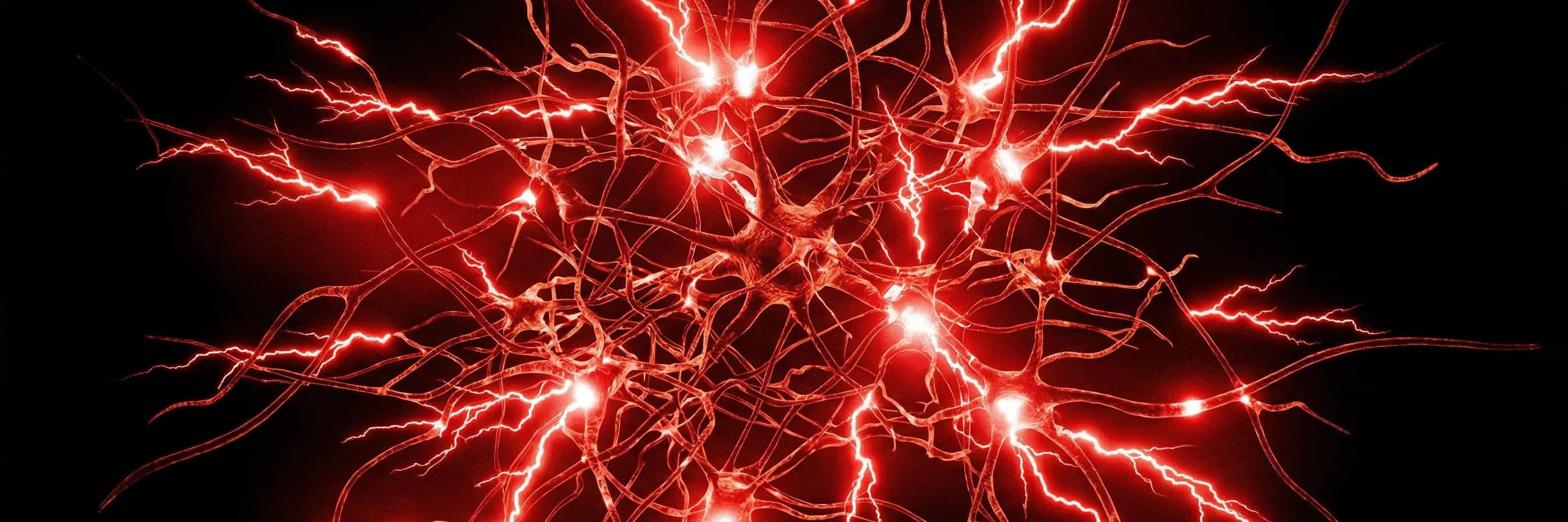
تبدأ الرغبة الشديدة في النيكوتين بعد الإقلاع عن التدخين عادةً خلال 2-4 ساعات وتبلغ ذروتها بين الساعتين 24 و72. خلال الأيام الثلاثة الأولى، توقع 15-30 نوبة رغبة يومياً، تستمر كل منها 3-5 دقائق. بحلول اليوم 7، تنخفض الرغبة إلى حوالي 3 نوبات يومياً. وبحلول اليوم 14 تصبح نادرة وقصيرة. لدى المدخنين، الرغبة مركبة من طبقتين: الحاجة الكيميائية إلى النيكوتين تضاعفها محفزات الطقوس — العلبة، الولاعة، النفس الأول، الزفير. وكلتا الطبقتين تضعف على مدى سباق الـ14 يوماً.
الرغبة في السجائر قوية بشكل فريد لأنها معززة بالطقوس. على عكس مستخدمي السجائر الإلكترونية الذين يستعملون أجهزتهم باستمرار وفي كل البيئات، يحمل المدخنون ارتباطات طقسية عميقة الترسيخ: سيجارة الصباح مع القهوة، سيجارة ما بعد الوجبة، سيجارة استراحة العمل، سيجارة نهاية اليوم. كل طقس مسار محفز منفصل في دماغك، وعلى كل واحد منها أن يُكسر على حدة.
متى يبدأ
تبدأ الرغبة عندما ينخفض النيكوتين تحت عتبة تنشيط المستقبلات، عادةً بعد 2-4 ساعات من آخر سيجارة. لدى المدخنين الشرهين، قد تأتي أول نوبة أبكر لأن دماغك معتاد على جرعات متكررة. والرغبات الأولى مرتبطة بجدول تدخينك — إذا كنت تدخن عادةً في الساعة 10 صباحاً، فتوقع رغبة في الساعة 10 صباحاً.
متى يبلغ ذروته
تبلغ الرغبة ذروتها بين الساعتين 24 و72، حين يصل النيكوتين في الدم إلى الصفر وتبلغ إزالة تشبع المستقبلات أقصاها. خلال هذه النافذة، تصل الرغبة كل 30-60 دقيقة، وتستمر كل منها 3-5 دقائق. ولدى المدخنين، تضيف طبقة الطقوس بعداً ثانياً: في كل مرة تواجه فيها موقفاً محفزاً (قهوة، وجبة، استراحة، توتر، سيارة)، تنطلق الرغبة من المسار الكيميائي ومسار العادة في آن واحد.
متى يختفي
بحلول اليوم 7، يبلغ متوسط الرغبة حوالي 3 نوبات يومياً. وبحلول اليوم 14، يواجه معظم الناس 0-2 نوبة يومياً. الإلحاح الكيميائي يتلاشى أولاً (بعد الساعة 72). أما الارتباطات الطقسية فتتلاشى ببطء أكبر — ففي كل مرة تواجه فيها محفزاً ولا تدخن، يضعف الارتباط. بحلول اليوم 14، تكون قد واجهت معظم محفزاتك الاعتيادية وتجاوزتها عدة مرات.
لماذا يحدث
التدخين يوصل النيكوتين إلى دماغك خلال 10-20 ثانية عبر الامتصاص الرئوي. هذه السرعة تخلق ارتباطاً شديد الإحكام بين فعل التدخين ومكافأة الدوبامين. وقد بنى دماغك مستقبلات nAChR فائضة للتعامل مع أكثر من 200 جرعة نيكوتين يومياً. عند الإقلاع، ترسل هذه المستقبلات إشارات استغاثة. وفي الوقت نفسه، كل محفز طقسي — المواقف والأوقات والمشاعر التي ربطتها بالتدخين — يُطلق توقع النيكوتين. الرغبة هي اصطدام الحاجة الكيميائية بالتوقع المعتاد.
ماذا تفعل
كل نوبة رغبة تبلغ ذروتها وتزول خلال 3-5 دقائق. التقنيات الأساسية: تنفس 4-7-8: استنشق 4 ثوانٍ، احبس 7، ازفر 8. ينشط جهازك العصبي نظير الودي. اكسر سلسلة الطقس: إذا كان محفزك هو القهوة + السيجارة، غيّر القهوة (شاي، غرفة أخرى، كوب مختلف). وإذا كان استراحة العمل، امشِ بدلاً من الوقوف في منطقة التدخين. بدائل فموية: أعواد أسنان بالقرفة، نعناع قوي، جزر نيء، أعواد كرفس. حركة اليد إلى الفم والتحفيز الفموي يعالجان مكوّن الطقس. حركة 5 دقائق: المشي السريع يخفض شدة الرغبة بنسبة 25-40%. أنجع تدخل منفرد. أجّل وشتّت: اضبط مؤقتاً لـ5 دقائق. افعل شيئاً يشغلك. معظم الرغبات تزول قبل أن يرن المؤقت.
الساعات التي يظهر فيها هذا العرض
الأسئلة الشائعة
كم تستمر الرغبة الشديدة بعد الإقلاع عن التدخين؟
تستمر النوبة الواحدة 3-5 دقائق خلال الأيام 1-3، وتقصر إلى 60-90 ثانية بحلول اليوم 7. النمط العام للرغبة: الأيام 1-3 بمتوسط 15-30 نوبة يومياً، اليوم 7 بمتوسط حوالي 3 نوبات يومياً، واليوم 14 يشهد 0-2 نوبة يومياً. قد تظهر المحفزات الموقفية لشهور، لكنها تفتقر إلى الإلحاح الكيميائي للانسحاب الحاد.
هل الرغبة في السجائر تختلف عن الرغبة في السجائر الإلكترونية؟
الرغبة الكيميائية متطابقة — النيكوتين هو النيكوتين. لكن رغبة التدخين تحمل مكوّن طقوس أقوى: السلوك المتعدد الخطوات (مد اليد إلى العلبة، سحب السيجارة، الإشعال، الاستنشاق) يخلق ارتباطات محفزة أكثر تميزاً من فعل النفحة الأبسط في التدخين الإلكتروني. أي أن رغبة التدخين أكثر ارتباطاً بمواقف بعينها، لكنها ربما أسهل في الإدارة عبر تفكيك سلسلة الطقس.
ما أكثر محفزات الانتكاس شيوعاً لدى المدخنين؟
الكحول مقترناً بمواقف التدخين الاجتماعية هو التركيبة الأولى للانتكاس. ومن المحفزات الأخرى عالية الخطورة: طقس قهوة الصباح (أقوى محفز منفرد)، والضغوط الحياتية الكبرى، والحنين ('كنت أستمتع بالتدخين فعلاً'). ووجود رد مخطط له مسبقاً لكل سيناريو أنجع من الاعتماد على قوة الإرادة في اللحظة.
هل تعيد سيجارة واحدة تشغيل الانسحاب فعلاً؟
نعم. السيجارة الواحدة توصل 1-2 ملغم من النيكوتين إلى دماغك خلال 10 ثوانٍ، فتعيد تشبع مستقبلات كانت تتراجع منذ أيام. وهذا لا يخلق نوبة رغبة واحدة فحسب — بل يعكس جزئياً تقليم المستقبلات ويعيد تشغيل ساعة الانسحاب. لا وجود لـ'سيجارة واحدة فقط'.
احصل على إرشاد ساعة بساعة، وإشعارات الإحاطات، والتدريب الصوتي على هاتفك.