HOUR 3 OF 336Warmth Returning To Fingers
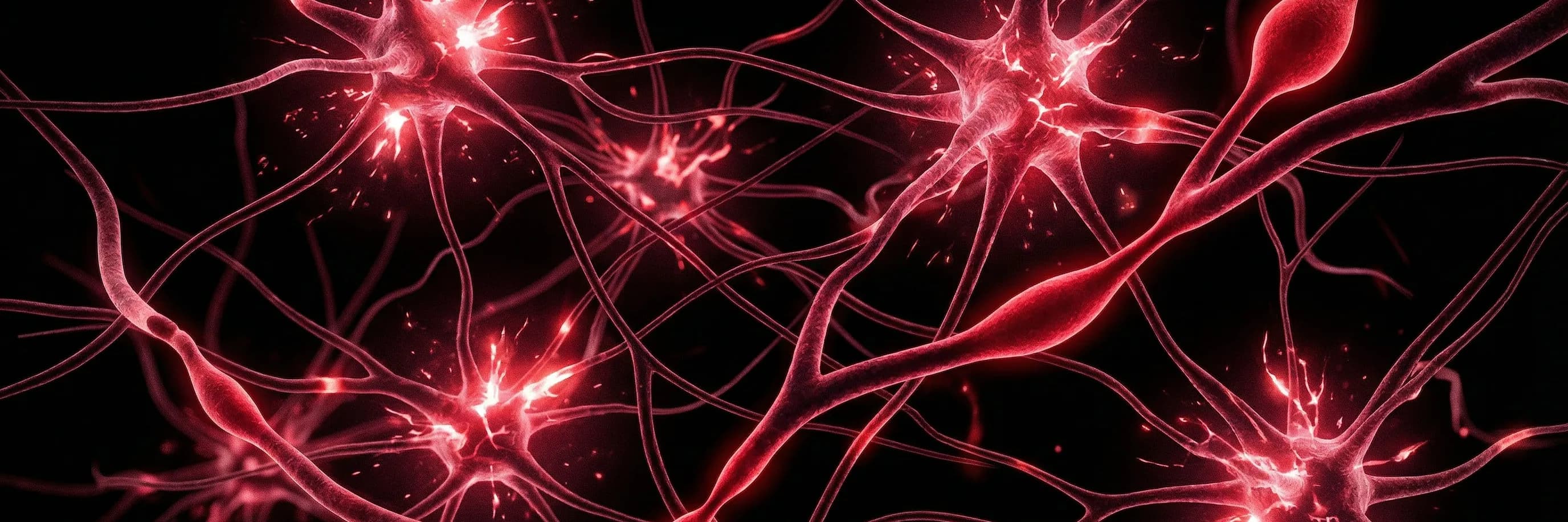
At hour 3 of quitting smoking (day 1), your blood nicotine level has dropped to 35.4% of what it was when you quit. With less nicotine driving norepinephrine release, the small vessels in your hands and feet are dilating after years of being squeezed tight between cigarettes. Your fingertips may already feel warmer. Mild irritability surfaces as dopamine tone in the reward circuitry drops. The nicotine stain and the smell on your fingers belong to the last cigarette, not the next one. This is a normal and documented stage of smoking withdrawal.
WHAT'S HAPPENING IN YOUR BODY
With declining nicotine levels, norepinephrine release from adrenal medulla decreases, allowing peripheral blood vessels to begin dilating. Fingertip skin temperature may rise 1-2 degrees Fahrenheit. Cigarette smoke contains over 7,000 chemicals — the nicotine is what hooks you, but the combustion byproducts (tar, carbon monoxide, formaldehyde, benzene) are what cause the most physical damage. As nicotine clears, so does the constant exposure to these toxins.
At this moment — "Peripheral Vasoconstriction Easing" — your body is still processing nicotine (35.4% remaining).
Nicotine has dropped to 35.4%. Your liver's CYP2A6 enzyme system is breaking it down into cotinine for renal clearance. Carbon monoxide levels in your blood are now substantially lower — your carboxyhemoglobin is approaching non-smoker levels. The chronic vasoconstriction that smoking maintained is easing: your peripheral blood vessels are dilating, improving circulation to your extremities. You may notice your fingers feel warmer.
Your nicotine levels have dropped to about thirty-five percent. Your blood vessels are already responding — they're starting to relax and open up after being constricted by nicotine for months or years. Your fingertips might actually feel slightly warmer. That's blood flow returning to normal.
HOW YOU'RE FEELING
Mild irritability surfaces as dopaminergic tone in the nucleus accumbens begins to drop.
Early morning is a high-risk window for former smokers. The "first cigarette of the day" was often the most psychologically reinforced of all daily smokes — paired with waking up, coffee, and the transition from sleep to alertness. Your brain is looking for that signal right now. Replace it with something physical: stretch, splash cold water on your face, step outside for fresh air.
Smoking has built-in rituals — the pack, the lighter, the first cigarette with morning coffee, the post-meal smoke — each one a trigger wired into your daily routine. Decades of smoking research show that the ritual elements — the pack in your pocket, the lighter in your hand, the first inhale of the morning — create psychological dependency that runs parallel to and independent of nicotine addiction. You're fighting both simultaneously right now, and that's what makes the first 72 hours so intense.
If you've smoked for years or decades, your body has accumulated damage that begins reversing the moment you stop. Every hour without a cigarette is measurable progress. Every hour you don't light up, your brain is recording a new data point: "I survived this trigger without a cigarette." Over time, these data points accumulate into a new default. But right now, the old default is loud.
WHAT TO DO RIGHT NOW
Take a brisk 10-minute walk to stimulate endogenous catecholamine release and counteract early dopamine deficit.
Cold water technique: Drink a full glass of ice water as fast as you comfortably can. The cold sensation and the act of drinking occupy both your oral fixation and your vagus nerve. Follow it with a strong mint — the sharp flavor replaces the throat sensation of smoke.
Write the craving down: trigger, intensity (1-10), time, location. This practice — called urge surfing in clinical literature — transforms the overwhelming feeling into observable data. Most people who track cravings discover they're shorter and less frequent than they feel in the moment.
WHAT TO EXPECT THIS HOUR
In these early morning hours on day 1 of quitting smoking, symptoms stay relatively manageable. 35.4% of nicotine remains to clear. During the Acute Withdrawal phase (Days 1-3) your circulation is already changing: the vessels that cigarettes kept constricted are opening, and your fingers may feel warmer. Mild irritability is normal here. If a craving lands, give it the 3-5 minutes it needs and let it go.
BODY CHANGES
Nicotine level: 35.4% remaining. Your liver's CYP2A6 enzymes are actively converting nicotine into cotinine for renal clearance.
Carbon monoxide is clearing from your blood. Smokers' carboxyhemoglobin levels drop from 3-15% to under 1% within the first 24 hours, dramatically improving oxygen delivery to every cell.
COMMON SYMPTOMS TODAY
FREQUENTLY ASKED QUESTIONS
Is it normal to feel this way 3 hours after quitting smoking?
Yes. At hour 3 (day 1), your body is still clearing nicotine (35% remaining) and your blood vessels are dilating after years of smoking-driven constriction. Mild irritability at this stage is low-grade and documented.
Why do my hands feel warmer after quitting smoking?
Nicotine constricted the small vessels in your extremities, which is why smokers often have cold fingers. As nicotine clears, those vessels dilate and blood flow returns — fingertip temperature commonly rises. It's one of the earliest changes you can actually feel.
How long does one craving last?
Individual cravings last 3-5 minutes. They feel much longer, especially when a cue sets them off — the smell of someone else's cigarette, the walk to your usual spot. Wait them out and they end on their own.
Get hour-by-hour guidance, push notification briefings, and audio coaching delivered to your phone.

