HOUR 33 OF 336Fingertips Coming Back Online
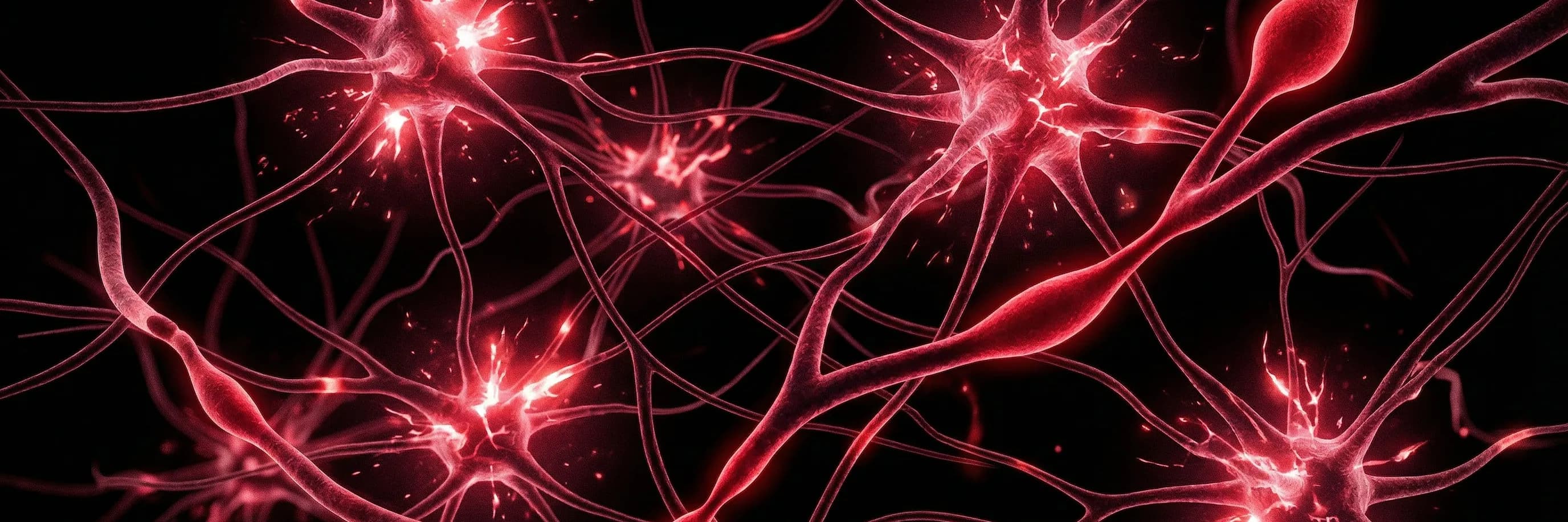
At hour 33 of quitting smoking (day 2), nicotine has been completely cleared from your body. Small-fiber peripheral nerves, chronically vasoconstricted and hypoxic from smoking, are getting better perfusion, and your fingertips and toes may tingle or feel unusually sensitive. Heightened somatic awareness makes ordinary sensations feel amplified and occasionally alarming. Your hands are also missing something to hold. This is a normal, documented stage of smoking withdrawal.
WHAT'S HAPPENING IN YOUR BODY
Small-fiber peripheral nerves, chronically vasoconstricted and hypoxic from smoking, experience improved perfusion. Early sensory recovery in fingertips and toes may manifest as tingling or heightened touch sensitivity. Cigarette smoke contains over 7,000 chemicals — the nicotine is what hooks you, but the combustion byproducts (tar, carbon monoxide, formaldehyde, benzene) are what cause the most physical damage. As nicotine clears, so does the constant exposure to these toxins.
At this moment — "Peripheral Nerve Conduction Improving" — your body is completely nicotine-free and focused on neurological and tissue recovery.
Your bloodstream is now nicotine-free — a state it hasn't been in since you became a regular smoker. For someone who smoked a pack a day, that's roughly 200 doses of nicotine per day, 7,300 per year, each one reinforcing the neural pathways of addiction. All of that input has stopped. Your body's repair mechanisms, which were constantly fighting new damage while you smoked, can now focus entirely on healing. The 7,000+ chemicals — carcinogens like benzene, formaldehyde, and acrolein — are no longer being delivered.
You might notice something unusual in your hands or feet — tingling, heightened sensitivity, or a feeling like the nerve endings are turned up louder than normal. That's because they are. Your peripheral nerves were chronically starved of oxygen by nicotine-driven vasoconstriction. Blood flow is returning to those tiny vessels, and your nerve endings are waking up.
HOW YOU'RE FEELING
Heightened somatic awareness makes minor physical sensations feel amplified and potentially alarming.
Morning hours carry heavy trigger load for smokers — the commute, the work break, the mid-morning coffee. Each of these was a smoking ritual. Today, each one you pass through without a cigarette weakens the association. It doesn't feel like progress, but it is.
Smoking has built-in rituals — the pack, the lighter, the first cigarette with morning coffee, the post-meal smoke — each one a trigger wired into your daily routine. Decades of smoking research show that the ritual elements — the pack in your pocket, the lighter in your hand, the first inhale of the morning — create psychological dependency that runs parallel to and independent of nicotine addiction. You're fighting both simultaneously right now, and that's what makes the first 72 hours so intense.
If you've smoked for years or decades, your body has accumulated damage that begins reversing the moment you stop. Every hour without a cigarette is measurable progress. Every hour you don't light up, your brain is recording a new data point: "I survived this trigger without a cigarette." Over time, these data points accumulate into a new default. But right now, the old default is loud.
WHAT TO DO RIGHT NOW
Run your hands under alternating warm and cool water for 2 minutes to channel heightened peripheral nerve sensitivity into a controlled, pleasant sensory experience.
Break the ritual chain: If your trigger right now is driving, especially longer commutes where smoking was routine, have a replacement behavior ready before the moment arrives. Switch coffee to tea, sit in a different room, take your break somewhere new. Waiting until the craving hits to decide what to do is too late.
Exercise is the single best craving intervention. A brisk walk of about ten minutes lowers craving intensity in trials with smokers, during the walk and for some minutes afterwards. It is one of the best-tested immediate tactics. It works because exercise triggers endorphin release that partially compensates for the dopamine deficit left by nicotine withdrawal.
WHAT TO EXPECT THIS HOUR
During this morning stretch on day 2 of quitting smoking, withdrawal symptoms are intense — this is one of the harder hours. Your body is completely free of nicotine, so the remaining symptoms are neurological adaptation. Odd sensations in your hands and feet — tingling, prickling, a turned-up sense of touch — are nerves recovering perfusion, not something going wrong. Your hands will also feel idle without the weight of a cigarette between two fingers, so give them a job. Each hour brings measurable progress.
BODY CHANGES
Nicotine level: 0% — completely cleared from your bloodstream, fully cleared by hour 72. Small-fiber peripheral nerves that were kept vasoconstricted and hypoxic by smoking are being reperfused, which is why touch in your fingertips and toes suddenly reads louder.
COMMON SYMPTOMS TODAY
FREQUENTLY ASKED QUESTIONS
Is it normal to feel this way 33 hours after quitting smoking?
Yes. At hour 33 (day 2), your body is completely free of nicotine and undergoing neurological adaptation. Amplified body sensations and high-intensity discomfort are documented at this stage of withdrawal. The peak sits between hours 24 and 72, so you are inside it now.
How much nicotine is left in my body after 33 hours?
After 33 hours without a cigarette, approximately 0.0% of nicotine remains in your bloodstream, with full clearance by hour 72. You are 100% nicotine-free. What is left is your nervous system adjusting to running without it.
Why are my fingers tingling since I stopped smoking?
Smoking kept the tiny vessels feeding your peripheral nerves constricted, leaving those nerve endings chronically short of oxygen. With no new smoke, perfusion improves and the small fibers start signaling normally again — which registers as tingling or heightened sensitivity. It is recovery, and it settles as the nerves recalibrate.
Get hour-by-hour guidance, push notification briefings, and audio coaching delivered to your phone.

