ЧАС 102 ИЗ 336Эндорфиновая система восстанавливается
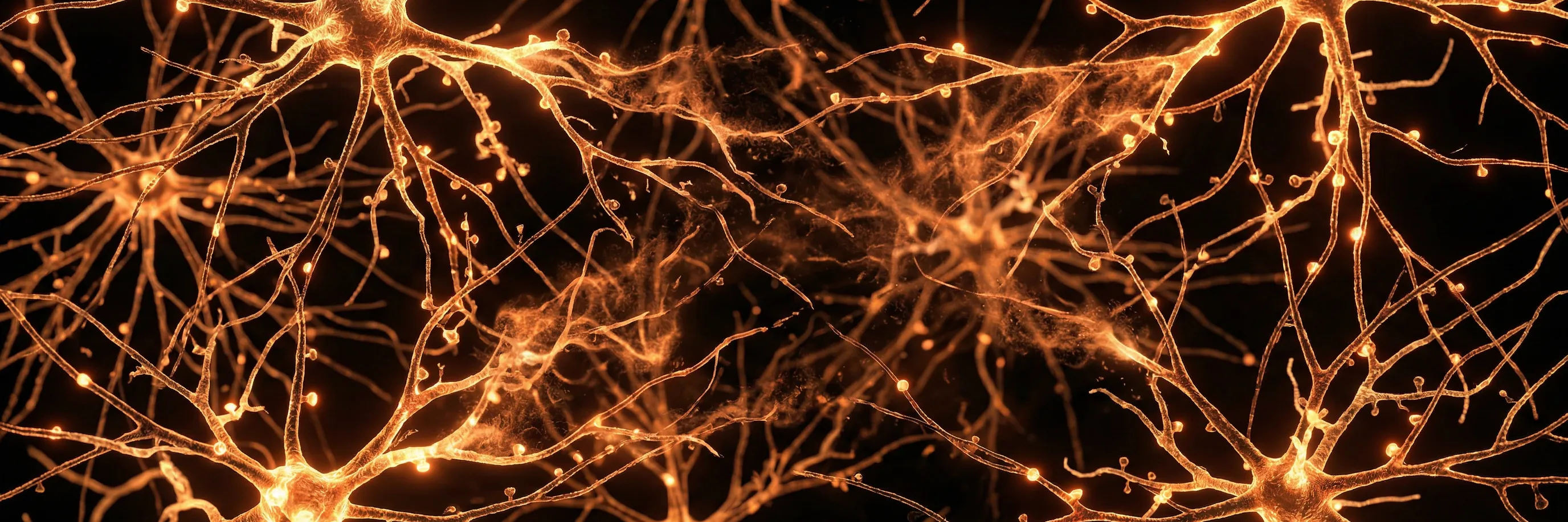
Через 102 часа после отказа от курения (5-й день) никотин полностью выведен из вашего организма. Эндорфиновая система восстанавливается: уровни бета-эндорфинов в дугообразном ядре начинают нормализоваться. Физический дискомфорт ощущается усиленным, а эмоциональные пороги боли кажутся ниже нормальных. Это нормальная и документированная стадия синдрома отмены курения.
ЧТО ПРОИСХОДИТ В ВАШЕМ ОРГАНИЗМЕ
Уровни бета-эндорфинов в дугообразном ядре начинают нормализоваться. Никотин захватил эндогенную опиоидную систему для усиления вознаграждения; его удаление временно нарушило естественную модуляцию боли и повышение настроения через эндорфиновые пути. Табачный дым содержит более 7000 химических веществ — никотин — это то, что вызывает зависимость, но продукты горения (смолы, угарный газ, формальдегид, бензол) наносят наибольший физический вред. По мере выведения никотина прекращается и постоянное воздействие этих токсинов.
В данный момент — «Эндорфиновая система восстанавливается» — ваш организм полностью свободен от никотина и сосредоточен на неврологическом восстановлении и восстановлении тканей.
5-й день: примерно 36% избыточных рецепторов уже удалено. Ваша сердечно-сосудистая система уже демонстрирует улучшения — липкость тромбоцитов нормализуется, снижая риск тромбообразования. Хронический окислительный стресс от продуктов горения сигарет утихает. Количество лейкоцитов, повышенное во время активного курения, поскольку ваша иммунная система боролась с постоянной агрессией, начинает нормализоваться.
ЧТО ВЫ ЧУВСТВУЕТЕ
Физический дискомфорт ощущается усиленным, а эмоциональные пороги боли кажутся ниже нормальных.
Раннее утро — это окно высокого риска для бывших курильщиков. «Первая сигарета дня» часто была психологически наиболее закреплённой из всех ежедневных сигарет — связанной с пробуждением, кофе и переходом от сна к бодрствованию. Ваш мозг сейчас ищет этот сигнал. Замените его чем-то физическим: потянитесь, ополосните лицо холодной водой, выйдите на свежий воздух.
Для курильщиков эта фаза характеризуется триггерами привычек — глубоко укоренёнными ассоциациями между конкретными ежедневными моментами и потребностью взяться за сигарету. Пять наиболее распространённых: утренний кофе (самый сильный единичный триггер для большинства курильщиков), удовлетворение после еды, социальное общение во время рабочих перерывов, вождение и вечернее расслабление. Каждый триггер активирует тот же нейронный путь, который тысячи раз приводил к сигарете. Ключевое понимание: триггер срабатывает, но тяга, которую он вызывает, ослабевает каждый раз, когда вы не поддаётесь ей. Вы не просто переживаете эти моменты — вы активно их перепрограммируете, выбирая другую реакцию.
ЧТО ДЕЛАТЬ ПРЯМО СЕЙЧАС
Выполните 20-минутную тренировку средней интенсивности — продолжительная аэробная активность запускает выброс эндорфинов в течение 20-30 минут.
Социальная стратегия для курильщиков: На этой неделе социальные триггеры достигают пика. Если на вашем рабочем месте есть место для курения, избегайте его — даже если это означает временную потерю социальной связи. Делайте перерывы в другом месте. Ходите, не стойте.
Если у вас есть партнёр или сосед по комнате, который курит, это самая сложная конфигурация. Проведите честный разговор: «Мне нужно, чтобы ты не предлагал мне сигареты и не курил в общих пространствах следующие две недели». Большинство людей это уважает. Если нет, это говорит вам что-то важное об отношениях.
Триггеры приёма пищи: сигарета после еды — одна из самых сильных ассоциаций с курением. Замените её действием, которое сигнализирует вашему мозгу «приём пищи закончен»: сразу почистите зубы, совершите короткую прогулку или пожуйте крепкую мятную жвачку. Сигнал должен быть физическим и немедленным.
ЧТО ОЖИДАТЬ В ЭТОТ ЧАС
В эти ранние утренние часы 5-го дня отказа от курения симптомы отмены умеренные — заметные, но переносимые. Ваш организм полностью свободен от никотина — все оставшиеся симптомы представляют собой неврологическую адаптацию, а не химическую отмену. Вы находитесь в фазе пиковой отмены (дни 4-7). Никотина давно нет — то, что вы испытываете сейчас, это перекалибровка рецепторной системы вашего мозга для функционирования без регулярных ударов никотина от сигарет.
ИЗМЕНЕНИЯ В ОРГАНИЗМЕ
Уровень никотина: 0% — полностью выведен из кровотока. Ваш организм достиг полного выведения никотина на 72-м часу.
В вашем мозгу активно происходит понижающая регуляция никотиновых ацетилхолиновых рецепторов. Избыточные рецепторы, накопленные за годы курения, сокращаются до базового уровня некурящего.
ЧАСТЫЕ СИМПТОМЫ СЕГОДНЯ
ЧАСТО ЗАДАВАЕМЫЕ ВОПРОСЫ
Нормально ли чувствовать себя так через 102 часа после отказа от курения?
Да. На 102-м часу (5-й день) ваш организм полностью свободен от никотина и проходит неврологическую адаптацию. Симптомы, которые вы испытываете — средней интенсивности на этой стадии — являются документированной частью никотиновой отмены, и они пройдут.
Почему я всё ещё чувствую себя плохо на 5-й день, если никотин уже выведен из организма?
Никотин покинул ваш организм около 72-го часа, но ваш мозг всё ещё перекалибруется. Курение заставило ваш мозг вырастить дополнительные никотиновые ацетилхолиновые рецепторы для обработки постоянного поступления никотина. Теперь, когда это поступление прекратилось, эти избыточные рецепторы сокращаются — процесс, называемый понижающей регуляцией. Это занимает дни или недели. То, что вы чувствуете, больше не химическая отмена; это физическая перестройка вашего мозга. Это прогресс, даже если не ощущается таковым.
Получайте почасовое руководство, уведомления с инструктажем и аудио-коучинг прямо на свой телефон.