HOUR 142 OF 336Capillaries Sealing Back Up
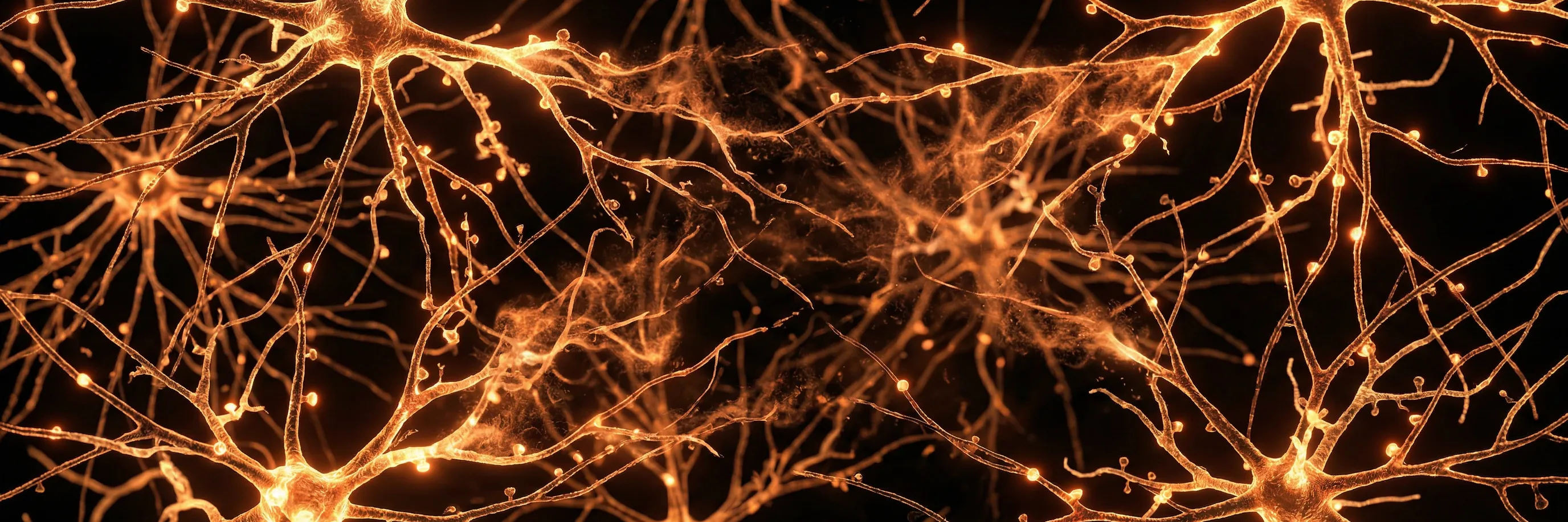
At hour 142 of quitting smoking (day 6), nicotine has been completely cleared from your body. Capillaries Sealing Back Up: endothelial junctions are tightening across the small vessels, reducing leakage and improving delivery to healing tissue. Skin tone and puffiness start to improve around now, usually visible to other people before it is visible to you. Smoker's pallor is a circulation problem, and circulation is recovering. This is a normal and documented stage of smoking withdrawal.
WHAT'S HAPPENING IN YOUR BODY
Capillary endothelial cell junctions are tightening across multiple vascular beds. Nicotine had increased microvascular permeability through disruption of VE-cadherin complexes; recovery reduces tissue edema and improves nutrient delivery to healing tissues throughout the body. Cigarette smoke contains over 7,000 chemicals — the nicotine is what hooks you, but the combustion byproducts (tar, carbon monoxide, formaldehyde, benzene) are what cause the most physical damage. As nicotine clears, so does the constant exposure to these toxins.
At this moment — "Microvascular Repair Continuing" — your body is completely nicotine-free and focused on neurological and tissue recovery.
Day 6: the mucociliary escalator in your lungs is gaining momentum. The cilia beat frequency is increasing — these microscopic structures are sweeping years of accumulated tar and particulate matter upward and out. Your sense of smell is sharpening noticeably. Food flavors are more vivid. The nerve endings in your nasal passages, dulled by chronic smoke exposure, are recovering.
HOW YOU'RE FEELING
Physical appearance may begin to subtly improve — reduced puffiness, better skin tone — though these changes may not yet be self-apparent.
Evening carries powerful associations for smokers — the wind-down smoke, the after-dinner cigarette, the nightcap on the porch. These are comfort rituals, not just nicotine delivery. Replacing them requires not just avoiding the cigarette but actively creating a new wind-down routine. A warm drink, light stretching, or reading can signal "day is ending" to your brain without the smoke.
For smokers, this phase is dominated by routine triggers — the deeply wired associations between specific daily moments and reaching for a cigarette. The five most common: morning coffee (the strongest single trigger for most smokers), post-meal satisfaction, work break socializing, driving, and the evening wind-down. Each trigger fires the same neural pathway that led to a cigarette thousands of times before. The key insight: the trigger fires, but the craving it produces is weaker each time you don't act on it. You're not just enduring these moments — you're actively rewiring them by choosing a different response.
WHAT TO DO RIGHT NOW
Take a photo of your face in consistent lighting — comparing it to one taken at the start of cessation may reveal improvements in skin tone and under-eye appearance.
Social strategy for smokers: This is the week where social triggers peak. If your workplace has a smoking area, avoid it — even if it means losing the social connection temporarily. Take your breaks somewhere else. Walk, don't stand.
If you have a partner or roommate who smokes, this is the hardest configuration. Have an honest conversation: "I need you to not offer me cigarettes and not smoke in shared spaces for the next two weeks." Most people will respect this. If they don't, that tells you something important about the relationship.
Meal triggers: The post-meal cigarette is one of the strongest smoking associations. Replace it with an action that signals "meal is over" to your brain: brush your teeth immediately, take a short walk, or chew strong mint gum. The signal needs to be physical and immediate.
WHAT TO EXPECT THIS HOUR
As the evening progresses on day 6 of quitting smoking, withdrawal symptoms are moderate — noticeable but handleable. Nicotine has been gone since hour 72. Six days of restored blood flow show up in your face, your gums and your hands before they show up in how you feel. Photograph yourself tonight; on day 14 the comparison will argue against a cigarette better than any reasoning can.
BODY CHANGES
Nicotine level: 0% — completely cleared from your bloodstream. Your body achieved full nicotine clearance at hour 72.
Nicotinic acetylcholine receptor downregulation is actively occurring in your brain. The excess receptors built up over years of smoking is being pruned back toward non-smoker baseline.
COMMON SYMPTOMS TODAY
FREQUENTLY ASKED QUESTIONS
Is it normal to feel this way 142 hours after quitting smoking?
Yes. At hour 142 of quitting cigarettes the fog lifts in stretches and drops again, energy swings, and cue cravings arrive shorter and sharper than they did on day 2. That pattern is medium and normal for day 6.
Why does day 6 still feel rough when there is no nicotine left in me?
Nicotine has been at zero since hour 72. What remains is a brain that learned to expect a cigarette at intervals all day, plus a set of surplus receptors being pruned back. That pruning approaches non-smoker baseline by day 14 — six days in, you are past the worst of it but not finished.
Does quitting smoking change how my skin looks?
Yes, and it begins early. Capillary junctions are tightening, which reduces leakage and puffiness and improves delivery of nutrients to healing tissue. Smoker's pallor is largely a circulation problem, and circulation has been recovering since your last cigarette. Other people usually notice the change in your face before you do.
Get hour-by-hour guidance, push notification briefings, and audio coaching delivered to your phone.