HOUR 1 OF 336Nicotine Redistribution Begins
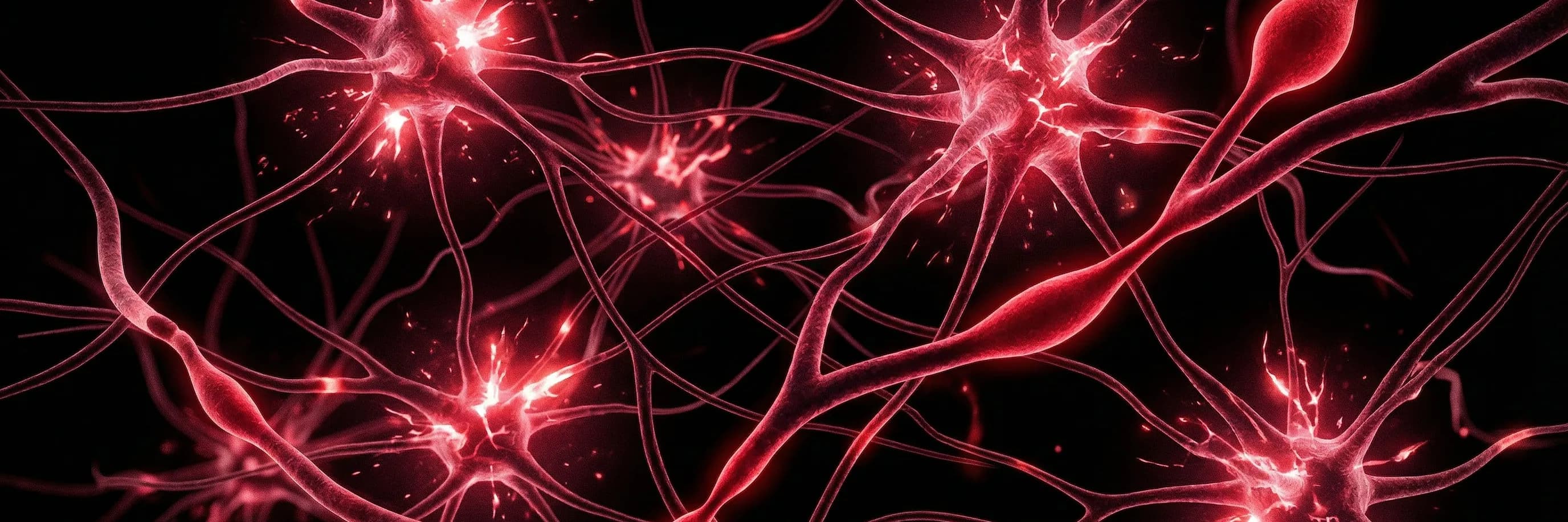
At hour 1 of quitting vaping, your blood nicotine has already dropped by approximately 30% from its peak. Your liver's CYP2A6 enzymes are actively breaking nicotine into cotinine, and your kidneys have begun flushing it from your system. You probably don't feel much yet — maybe a subtle awareness that something is different. That calm window won't last. Use it. This is the easiest hour of the next 72, and your body is already healing.
WHAT'S HAPPENING IN YOUR BODY
Within minutes of your last puff from a vape, nicotine began redistributing from your lungs into systemic circulation. Your plasma nicotine concentration has already started its exponential decline from a peak of 15-50 ng/mL. At this moment, approximately 70% of that nicotine remains — your body has cleared roughly 30% in just one hour.
Here's what makes vaping withdrawal distinct: modern vapes deliver nicotine salts (protonated nicotine) at concentrations of 35-50mg/mL. This is significantly more bioavailable than the freebase nicotine in cigarettes. Your brain was receiving denser, more frequent hits of nicotine — potentially 200-400 puffs per day with no natural stopping point (no cigarette that burns down, no need to step outside). The receptor upregulation this created is proportionally intense.
Your liver is doing the heavy lifting right now. The CYP2A6 enzyme system is converting nicotine into cotinine at a predictable rate — nicotine's plasma half-life is approximately 2 hours, meaning every 2 hours, half of the remaining nicotine is metabolized. This exponential decay means the steepest drop happens in these early hours.
Your peripheral nervous system is already responding. Blood vessels that were chronically constricted by nicotine's sympathomimetic effects are beginning to relax. Your fingertip skin temperature may already be rising by 1-2°F as blood flow improves. Your heart rate, elevated by 10-20 bpm during active vaping, is trending downward.
The nicotine salts that were deposited in your lung tissue with each puff of aerosol are also being cleared. Propylene glycol and vegetable glycerin — the carrier compounds that create the visible vapor — deposited ultrafine particles deep in your alveoli. Your lung's macrophages (immune cleanup cells) are beginning to engulf and remove these particles.
HOW YOU'RE FEELING
Right now, you may feel surprisingly normal. That's because your nicotinic acetylcholine receptors are still mostly occupied — there's enough nicotine circulating to keep them partially activated. The real withdrawal hasn't started yet. This is the eye before the storm.
What you might notice is a subtle psychological shift: an awareness that you've made a decision. The part of your brain that tracks routines is scanning for the familiar pattern — the weight of the device in your pocket, the hand-to-mouth motion, the throat hit, the brief cloud of vapor. These are motor cortex patterns that have fired thousands of times. They're already sending signals that something is missing.
Many vapers describe this first hour as the "quiet before the loud." Your conscious mind has decided to quit, but your limbic system — the primitive emotional brain that drives habitual behavior — hasn't gotten the memo yet. It will. And when it does, it will protest loudly.
If you vaped constantly throughout the day (as most vapers do — during commutes, at desks, in bathrooms, in bed), your trigger map is enormous. Almost every environment was a vaping environment. Unlike smokers who had designated smoking areas, your brain associates nicotine with everywhere. This means more triggers, more frequently, in the days ahead.
Use this calm hour to prepare. The neuroplasticity that made you dependent is the same mechanism that will set you free — every hour without a puff is a data point that weakens the vaping circuit and strengthens the non-vaping one. But the first data points are the hardest to collect.
WHAT TO DO RIGHT NOW
This is the hour to set yourself up for success. You feel calm now — that won't last. Here's what to do while your willpower is at full strength:
Dispose of your vaping equipment completely. Every device, every charger, every pod, every bottle of e-liquid. Don't store them "just in case" — that's not backup planning, it's pre-planning a relapse. If you have unused supplies, accept the sunk cost. Whatever is left in the drawer is a fraction of what staying quit gives back.
Drink a full glass of cold water right now — 250mL minimum. Hydration directly supports renal clearance of nicotine metabolites. Your kidneys flush cotinine through urine, and adequate hydration accelerates this process. Keep a water bottle within reach for the next 72 hours.
Set up your environment. Delete vape-related bookmarks. Unsubscribe from vape brand emails and text lists. Mute or unfollow vaping accounts on social media — TikTok, Instagram, YouTube algorithms will keep serving you vaping content for days unless you actively retrain them. Search for fitness, cooking, or hobby content instead.
Get oral substitutes ready: cinnamon gum (the mild burn mimics a throat hit), ice water with a straw (the sucking motion occupies the same oral circuit), raw carrots or celery sticks (the crunch provides sensory distraction). Place these where your vape used to be.
Tell one person you've quit. Not social media — one trusted person. "I quit vaping today" is an accountability anchor. When the cravings hit in 6-12 hours, you'll have someone who knows, and that knowledge creates just enough friction to stop you from giving in.
WHAT TO EXPECT THIS HOUR
Hour 1 is the calm before the storm. Withdrawal symptoms are minimal right now — your receptors still have enough nicotine to function near-normally. You may feel mild restlessness, a vague sense that something is different, or nothing at all. Enjoy this clarity. Use it to prepare. Over the next several hours, symptoms will escalate: subtle restlessness becomes definite irritability by hour 3-4, cravings start as whispers and become shouts by hour 8-12, and by hour 24 you'll be in the thick of acute withdrawal. The intensity curve peaks around hours 36-48 and stays high through hour 72. After that, the pharmacological withdrawal ends and neurological adaptation begins. You're in the Acute Withdrawal phase (Days 1-3). During this phase, your body is focused on one thing: clearing nicotine. The nicotine salts from your vape are being metabolized at a predictable rate. Each hour brings measurable progress, even when it doesn't feel like it.
BODY CHANGES
Nicotine level: 70.7% remaining. Your liver's CYP2A6 enzymes have been metabolizing nicotine since your last puff. The rate of clearance is exponential — the biggest drops happen in these early hours.
Cardiovascular: Your heart rate is beginning to decrease from its vaping-elevated baseline (typically 10-20 bpm above normal). Blood pressure is starting to trend downward as norepinephrine release from the adrenal medulla decreases. Peripheral blood vessels are dilating, improving circulation to your extremities.
Respiratory: The ultrafine particles from your last vaping sessions are being cleared by alveolar macrophages. The propylene glycol and vegetable glycerin that carry nicotine in aerosol form irritate lung tissue at a microscopic level — this irritation begins to subside immediately upon cessation.
Oral: Your mouth's pH is normalizing after chronic exposure to acidic nicotine salt aerosol. Salivary flow, suppressed during active vaping, is beginning to return to baseline.
Neural: Your nicotinic acetylcholine receptors are still mostly occupied at this stage. The real receptor desaturation — and the withdrawal symptoms it causes — begins in earnest around hours 3-6 as nicotine levels drop below the receptor activation threshold.
COMMON SYMPTOMS TODAY
FREQUENTLY ASKED QUESTIONS
Is it normal to feel this way 1 hour after quitting vaping?
Yes. At hour 1 (day 1), your body is still clearing nicotine (71% remaining). The symptoms you're experiencing — which are low at this stage — are a documented part of nicotine withdrawal and they will pass.
How much nicotine is left in my body after 1 hour?
After 1 hour without vaping, approximately 70.7% of nicotine remains in your bloodstream. Your body is actively metabolizing it through liver enzymes, and levels are dropping exponentially.
When will vaping cravings peak?
Cravings typically peak between hours 24-72 after quitting vaping. Because vapes deliver nicotine salts at high concentrations, the initial drop can feel more abrupt than cigarette withdrawal. You're currently at hour 1, building toward peak intensity. The critical thing to know: every craving you survive without vaping weakens the next one.
Get hour-by-hour guidance, push notification briefings, and audio coaching delivered to your phone.