HOUR 2 OF 336First Half-Life Reached
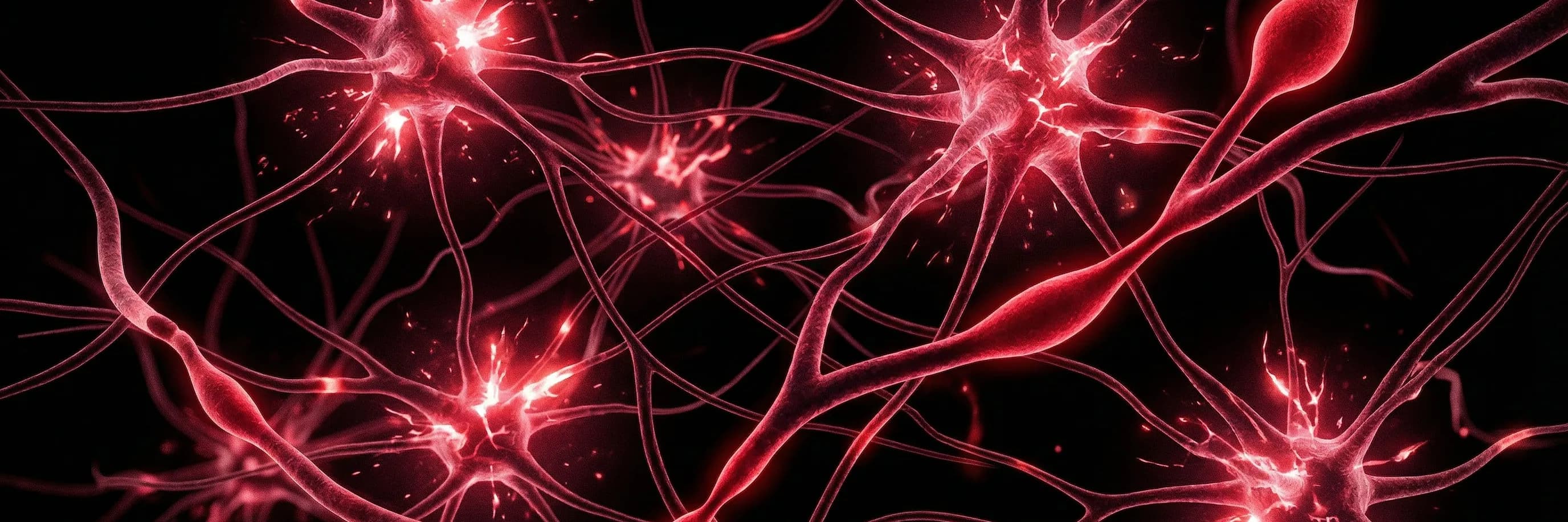
At hour 2 of quitting vaping (day 1), your blood nicotine level has dropped to 50.0% of what it was when you quit. First Half-Life Reached: Nicotine's plasma half-life of approximately 2 hours means roughly 50% of circulating nicotine has now been metabolized by hepatic CYP2A6 enzymes into cotinine. Subtle restlessness begins as nicotinic acetylcholine receptors sense declining agonist availability. This is a normal and documented stage of vaping withdrawal.
WHAT'S HAPPENING IN YOUR BODY
Nicotine's plasma half-life of approximately 2 hours means roughly 50% of circulating nicotine has now been metabolized by hepatic CYP2A6 enzymes into cotinine.
At this moment — "First Half-Life Reached" — your body is still processing nicotine (50.0% remaining).
Your nicotine level has dropped to 50.0% — past the halfway mark. The nicotine salts that entered your bloodstream from your vape are being metabolized into cotinine at an accelerating rate. Your kidneys are actively flushing cotinine through urine. This is the phase where cravings begin to intensify because your nAChR receptors are sensing the decline in agonist availability and signaling distress to your reward centers.
You've just hit your first clinical marker. The nicotine in your blood has dropped to about fifty percent of where it was when you quit. Your liver is doing the heavy lifting — an enzyme called CYP2A6 is breaking nicotine down into cotinine, which your kidneys will flush out over the next several hours. You might be starting to feel a subtle restlessness.
HOW YOU'RE FEELING
Subtle restlessness begins as nicotinic acetylcholine receptors sense declining agonist availability.
These early morning hours can be particularly tough for former vapers — many people vaped first thing upon waking, sometimes before even getting out of bed. The absence of that morning ritual is felt acutely right now. If you're awake and struggling, know that cortisol levels naturally peak between 6-8am, which amplifies withdrawal symptoms.
Because vapes have no natural stopping point (no cigarette that burns down), many vapers take hundreds of puffs per day without realizing it. The constant availability of your vape — no need to go outside, no smell, no social stigma — meant it was always within arm's reach. Many vapers hit their device 200-400 times per day without counting. Your brain registered each puff as a micro-reward, creating an extremely dense habit loop. Right now, your hand may be reaching for a device that isn't there. Your brain is scanning for the familiar weight in your pocket, the draw against your lips, the throat hit. These phantom habits are real neurological events — motor cortex patterns firing without a target.
Many vapers started in their teens or twenties, meaning nicotine has been part of your brain's development during a critical period. The good news: the same neuroplasticity that made you dependent is now working in your favor. Every hour without a puff weakens the vaping circuit and strengthens the non-vaping one.
WHAT TO DO RIGHT NOW
Chew a piece of sugar-free cinnamon gum to provide oral stimulation and occupy the hand-to-mouth reflex.
Environment audit: Are you near a convenience store, vape shop, or anywhere you purchased supplies? Change your route. Delete vape-related bookmarks, unsubscribe from brand emails, block vape content on social media. Your willpower budget is limited — don't spend it on avoidable exposures.
Eat a protein-rich snack: a handful of almonds, a slice of turkey, a cheese stick. Stable blood sugar directly supports cognitive function, and your prefrontal cortex — the part of your brain that says "no" to cravings — needs glucose to function. Low blood sugar makes cravings worse.
WHAT TO EXPECT THIS HOUR
In these early morning hours on day 1 of quitting vaping, withdrawal symptoms are relatively manageable. Your body still has 50.0% of nicotine to clear. During the Acute Withdrawal phase (Days 1-3), your body is focused on clearing nicotine and its metabolites. The high-concentration nicotine salts from vaping are being broken down and eliminated. Each hour brings measurable progress.
BODY CHANGES
Nicotine level: 50.0% remaining. Your liver's CYP2A6 enzymes are actively converting nicotine into cotinine for renal clearance.
Vaping produces far less carbon monoxide than combusted tobacco, so the recovery here is about particle load: the ultrafine particles from aerosol inhalation are being cleared by your lungs' natural defense mechanisms.
COMMON SYMPTOMS TODAY
FREQUENTLY ASKED QUESTIONS
Is it normal to feel this way 2 hours after quitting vaping?
Yes. At hour 2 (day 1), your body is still clearing nicotine (50% remaining). The symptoms you're experiencing — which are low at this stage — are a documented part of nicotine withdrawal and they will pass.
How much nicotine is left in my body after 2 hours?
After 2 hours without vaping, approximately 50.0% of nicotine remains in your bloodstream. Your body is actively metabolizing it through liver enzymes, and levels are dropping exponentially.
When will vaping cravings peak?
Cravings typically peak between hours 24-72 after quitting vaping. Because vapes deliver nicotine salts at high concentrations, the initial drop can feel more abrupt than cigarette withdrawal. You're currently at hour 2, building toward peak intensity. The critical thing to know: every craving you survive without vaping weakens the next one.
Get hour-by-hour guidance, push notification briefings, and audio coaching delivered to your phone.

