HOUR 48 OF 336Two Days: Smell and Taste Return
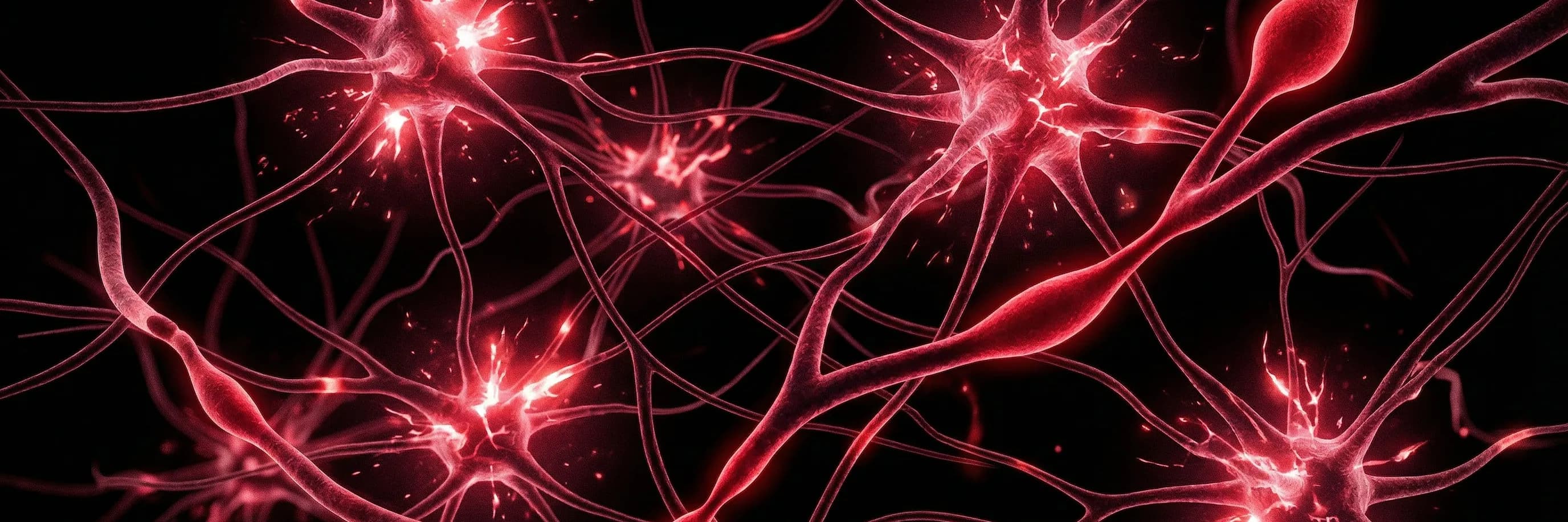
At hour 48 of quitting smoking (day 2), nicotine has been completely cleared from your body — two full days since your last cigarette. Peripheral nerve endings dulled by smoke are regenerating, and your olfactory receptors and taste buds are the first to report back: coffee, food, even the air outside is suddenly more vivid. But this is also the clinical peak of withdrawal — the 24-72 hour ceiling, where anger and craving are at their worst. Get through this window and the intensity starts to fall.
WHAT'S HAPPENING IN YOUR BODY
Forty-eight hours without a cigarette. Your body is now completely free of nicotine and approaching full clearance of cotinine.
The most dramatic change happening right now is at the cellular level: your peripheral nerve endings are regenerating. Cigarette smoke damages the free nerve endings throughout your body — in your skin, your airways, your oral cavity, your nasal passages. The neurotrophins that drive nerve regeneration have been activated, and new nerve endings are growing.
The practical effect is striking. Your sense of smell, suppressed by years of smoke exposure, is noticeably sharper. You may be overwhelmed by scents you'd stopped noticing — cooking, flowers, people's perfume, your own home. Your taste buds, damaged by the heat and chemicals of cigarette smoke, are recovering. Coffee at 48 hours tastes fundamentally different — richer, more nuanced, sometimes overwhelmingly intense.
Your lungs' mucociliary escalator is reactivating in earnest. The cilia — tiny hair-like structures that line your airways and sweep debris upward and out — were paralyzed and eventually destroyed by hot cigarette smoke. New cilia are growing. You may notice increased coughing and mucus production. This is your lungs cleaning themselves for the first time in however long you smoked. It's therapeutic, not pathological.
Carbon monoxide is long gone from your blood. Your hemoglobin is fully available for oxygen transport. The oxygen saturation improvement that began at hour 1 is now at non-smoker levels. Every cell in your body is receiving oxygen more efficiently than at any point during your smoking career.
Your cardiovascular system has already improved measurably. Platelet stickiness has normalized, reducing your risk of blood clots. Your blood pressure is lower. Your resting heart rate is down. The chronic oxidative stress from cigarette combustion byproducts — which damaged your arterial walls daily — has stopped.
The nAChR receptor desaturation is at its peak. This is the pharmacological nadir — the moment when your brain's receptors are maximally depleted and withdrawal symptoms are at their clinical ceiling. This is as bad as it gets.
HOW YOU'RE FEELING
Hours 36-48 are the clinical peak of nicotine withdrawal. You're in it right now, and it's important to understand that the intensity you feel is the maximum — it doesn't get worse than this.
Cessation anger is likely present. This is a documented clinical phenomenon specific to nicotine withdrawal: disproportionate, sometimes irrational rage responses to minor stimuli. It's caused by acute disruption of your GABAergic and serotonergic neurotransmitter systems. Your brain's ability to regulate emotional responses is temporarily compromised. You're not becoming an angry person. You're experiencing a predictable, pharmacological effect that resolves over the next few days.
The craving pattern at 48 hours is at its most aggressive. Cravings are frequent, often set off by everyday cues, each lasting 3-5 minutes. They come in waves — sharp, insistent, then fading. The pattern will feel relentless. But each wave you survive without a cigarette is not just endurance — it's active rewiring. Your brain is recording "craving fired, no cigarette followed" as a new data point, weakening the pathway each time.
Many smokers find that the second day brings a grief-like quality. The loss of the ritual — the morning cigarette, the work break, the post-meal smoke, the evening wind-down — feels like losing a companion. This sounds dramatic, but smoking was a constant presence for years. Acknowledging the loss without acting on it is part of the process.
Here is the single most important fact you can hold onto right now: research consistently shows that withdrawal intensity, measured on validated scales, begins declining after hours 48-54. You are at or past the apex. The next 24 hours will be hard, but measurably less hard than the last 24. The trajectory from here is definitively downward.
WHAT TO DO RIGHT NOW
Survival mode. Everything in the next 24 hours is about reaching hour 72 — when the pharmacological withdrawal ends.
Anger management is priority one today. If you feel disproportionate rage rising: remove yourself from the situation immediately. Do not engage in conflict. 15-second isometric push against a doorframe — push with maximum force. Follow with 4-7-8 breath: inhale 4 seconds, hold 7, exhale 8. The combination channels the physiological arousal through your muscles and activates your parasympathetic nervous system.
Eat regularly — do not skip meals. Your prefrontal cortex, the brain region responsible for impulse control, runs on glucose. When blood sugar dips, craving resistance drops. Protein-rich meals provide stable fuel: eggs, almonds, chicken, cheese. Avoid sugar spikes — they create a crash that amplifies withdrawal symptoms.
Stay hydrated. Dehydration worsens headaches, irritability, and cognitive fog — all of which compound withdrawal symptoms. Aim for 2-3 liters of water today.
Move your body at least twice today. A 10-minute brisk walk in the morning and another in the afternoon. Each walk triggers measurable endorphin and GABA release. This isn't motivational advice — exercise is the single most studied and effective behavioral intervention for acute nicotine withdrawal.
Cold exposure: ice water, cold wrist rinse, splash cold water on your face. The sensory shock interrupts craving neural pathways. Crude, fast, effective.
Write this on a note and put it in your pocket: "I am at the peak. It starts getting easier from here. By hour 72, the chemical part is over. I will never have to do these 48 hours again."
WHAT TO EXPECT THIS HOUR
As the evening progresses on day 2 of quitting smoking, withdrawal symptoms are at peak intensity — this is as hard as it gets, and you are standing at the two-day mark. Your body is completely free of nicotine, so the remaining symptoms are neurological adaptation. Expect anger you cannot fully justify, alongside the first real sensory payoff: smells you had stopped noticing, food that tastes like more than salt. You may also cough more as the cilia keep clearing tar. Each hour brings measurable progress.
BODY CHANGES
Nicotine level: 0% — completely cleared from your bloodstream, with full clearance at hour 72. Carbon monoxide from cigarette smoke cleared during your first day, so oxygen saturation is at non-smoker levels, and the peripheral nerve endings damaged by smoke — including olfactory receptors and taste buds — are regenerating.
COMMON SYMPTOMS TODAY
FREQUENTLY ASKED QUESTIONS
Is it normal to feel this way 48 hours after quitting smoking?
Yes. At hour 48 (day 2), your body is completely free of nicotine and undergoing neurological adaptation, and your symptoms are at their peak intensity right now. Hour 48 sits inside the documented 24-72 hour withdrawal ceiling, which is why anger and craving feel maximal. This is as bad as it gets, and it starts declining from here.
Why does food taste so different two days after my last cigarette?
Cigarette smoke blunts your taste buds with heat and chemicals and dulls the olfactory receptors in your nose, and most of what you call taste is actually smell. Those nerve endings are regenerating now, which is why patients typically report their first noticeable improvement right around this milestone. Taste and smell keep sharpening from day 2 through the second week.
What is the significance of reaching 48 hours without smoking?
Hour 48 is a major milestone: two full days, nicotine-free, with your peripheral nerve endings regenerating and smell and taste measurably returning. It also marks the pharmacological nadir — your receptors are maximally depleted and withdrawal is at its clinical ceiling. Reaching each milestone materially improves your odds of staying quit, and people who get through day 2 are significantly more likely to make it long-term.
Get hour-by-hour guidance, push notification briefings, and audio coaching delivered to your phone.

