HOUR 47 OF 336Airway Lining Rebuilding
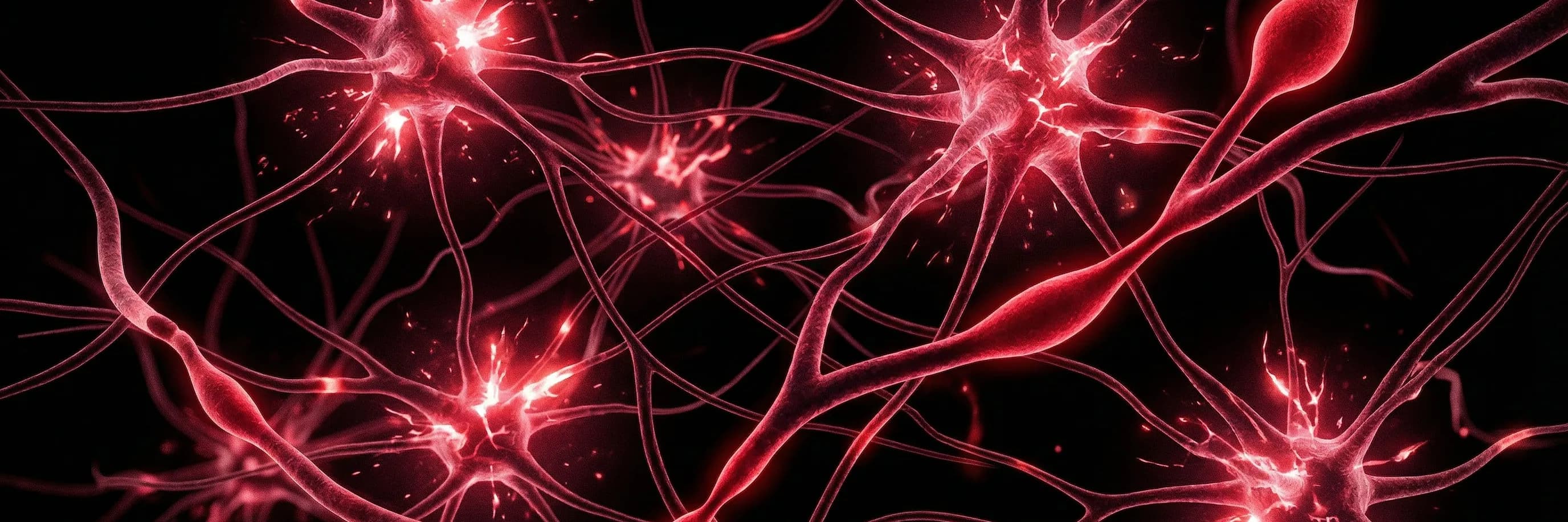
At hour 47 of quitting smoking (day 2), nicotine has been completely cleared from your body. Basal cells in your bronchial epithelium are increasing their mitotic rate to replace the ciliated cells that cigarette smoke destroyed, a process that runs for weeks. Mental rehearsal of smoking turns vivid and intrusive — the smell of a struck match, the first drag, the throat hit. You are one hour from two full days.
WHAT'S HAPPENING IN YOUR BODY
Basal cells in the bronchial epithelium are increasing their mitotic rate to replace damaged ciliated cells. This regenerative process will continue for weeks, progressively restoring the pseudostratified columnar epithelium. Cigarette smoke contains over 7,000 chemicals — the nicotine is what hooks you, but the combustion byproducts (tar, carbon monoxide, formaldehyde, benzene) are what cause the most physical damage. As nicotine clears, so does the constant exposure to these toxins.
At this moment — "Bronchial Epithelial Repair Initiating" — your body is completely nicotine-free and focused on neurological and tissue recovery.
Your bloodstream is now nicotine-free — a state it hasn't been in since you became a regular smoker. For someone who smoked a pack a day, that's roughly 200 doses of nicotine per day, 7,300 per year, each one reinforcing the neural pathways of addiction. All of that input has stopped. Your body's repair mechanisms, which were constantly fighting new damage while you smoked, can now focus entirely on healing. The 7,000+ chemicals — carcinogens like benzene, formaldehyde, and acrolein — are no longer being delivered.
One hour from the two-day mark. In your airways right now, basal cells in your bronchial lining are increasing their division rate. They're producing new ciliated cells to replace the ones that were damaged or destroyed. Your lungs are literally rebuilding their interior surface, cell by cell.
HOW YOU'RE FEELING
Mental rehearsal of smoking becomes vivid and intrusive, with sensory memories of taste, smell, and throat hit dominating thoughts.
Evening carries powerful associations for smokers — the wind-down smoke, the after-dinner cigarette, the nightcap on the porch. These are comfort rituals, not just nicotine delivery. Replacing them requires not just avoiding the cigarette but actively creating a new wind-down routine. A warm drink, light stretching, or reading can signal "day is ending" to your brain without the smoke.
Smoking has built-in rituals — the pack, the lighter, the first cigarette with morning coffee, the post-meal smoke — each one a trigger wired into your daily routine. Decades of smoking research show that the ritual elements — the pack in your pocket, the lighter in your hand, the first inhale of the morning — create psychological dependency that runs parallel to and independent of nicotine addiction. You're fighting both simultaneously right now, and that's what makes the first 72 hours so intense.
If you've smoked for years or decades, your body has accumulated damage that begins reversing the moment you stop. Every hour without a cigarette is measurable progress. Every hour you don't light up, your brain is recording a new data point: "I survived this trigger without a cigarette." Over time, these data points accumulate into a new default. But right now, the old default is loud.
WHAT TO DO RIGHT NOW
Redirect the mental rehearsal by vividly imagining the stale ash smell on clothing and the morning smoker's cough instead of the romanticized smoking experience.
Call your support person. If you told someone you were quitting, now is when that investment pays off. Even a 2-minute conversation creates enough cognitive redirection to outlast the craving, which peaks and fades in 60-90 seconds.
Throw out all cigarettes, lighters, ashtrays, and matches. Clean your car and home to remove the smell — lingering smoke odor is a powerful relapse trigger. The smell of stale smoke in your car, your jacket, or your living room is a trigger. Wash what you can, air out what you can't. A clean-smelling environment signals "new chapter" to your brain.
WHAT TO EXPECT THIS HOUR
As the evening progresses on day 2 of quitting smoking, withdrawal symptoms are at peak intensity — this is as hard as it gets. Your body is completely free of nicotine, so the remaining symptoms are neurological adaptation. Intrusive, cinematic memories of smoking are normal at this hour; your brain is arguing its case with sensory detail. Let the images run without acting on them — each one lasts 3-5 minutes. Meanwhile your airways are growing new ciliated cells to replace what the smoke took.
BODY CHANGES
Nicotine level: 0% — completely cleared from your bloodstream, fully cleared by hour 72. Basal cells in your bronchial epithelium are dividing faster to replace ciliated cells destroyed by cigarette smoke, progressively rebuilding the airway lining over the coming weeks.
COMMON SYMPTOMS TODAY
FREQUENTLY ASKED QUESTIONS
Is it normal to feel this way 47 hours after quitting smoking?
Yes. At hour 47 (day 2), your body is completely free of nicotine and undergoing neurological adaptation, and symptoms are at their peak intensity right now. Vivid, intrusive thoughts about smoking are documented at the withdrawal peak. They fade in frequency after hour 72.
How much nicotine is left in my body after 47 hours?
After 47 hours without a cigarette, approximately 0.0% of nicotine remains in your bloodstream, with full clearance by hour 72. Your body is 100% nicotine-free. All remaining symptoms are neurological, not chemical.
Can lungs damaged by years of cigarettes actually rebuild?
The lining can. Basal cells in your bronchial epithelium are already dividing faster to replace the ciliated cells smoke destroyed, and that regeneration continues for weeks. Existing tar deposits still have to be cleared by the cilia as they come back, which is why the cough gets worse before it gets better.
Get hour-by-hour guidance, push notification briefings, and audio coaching delivered to your phone.

