GIỜ 31 TRONG TỔNG SỐ 336Độ Nhạy Thụ Thể Dopamine Chuyển Đổi
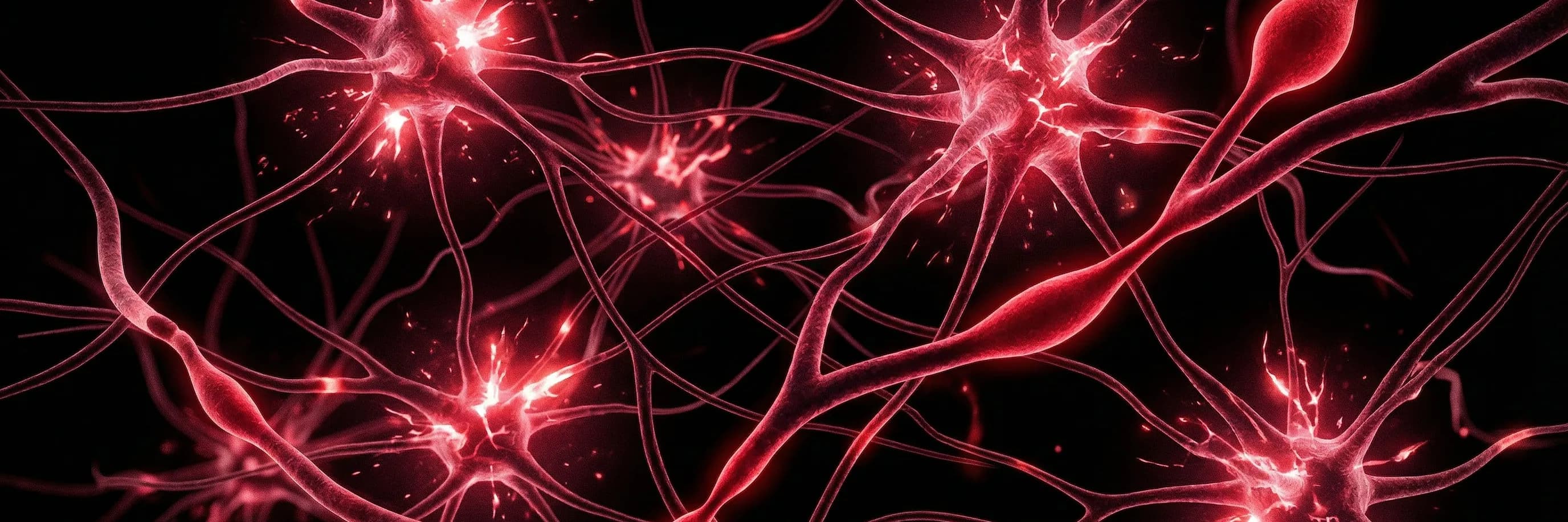
Ở giờ 31 cai thuốc lá (ngày 2), nicotine đã được loại bỏ hoàn toàn khỏi cơ thể bạn. Độ Nhạy Thụ Thể Dopamine Chuyển Đổi: Thụ thể dopamine D2 trong thể vân, bị điều giảm do các đợt tăng dopamine do nicotine gây ra mãn tính, bắt đầu điều tăng. Chứng mất cảm xúc sâu sắc hơn khi các phần thưởng tự nhiên như thức ăn và tương tác xã hội tạo ra phản ứng dopamine ít hơn bình thường. Đây là giai đoạn bình thường và được ghi nhận của hội chứng cai thuốc lá.
ĐIỀU GÌ ĐANG DIỄN RA TRONG CƠ THỂ BẠN
Thụ thể dopamine D2 trong thể vân, bị điều giảm do các đợt tăng dopamine do nicotine gây ra mãn tính, bắt đầu điều tăng. Sự tái nhạy cảm thụ thể này rất quan trọng để khôi phục xử lý phần thưởng bình thường. Khói thuốc lá chứa hơn 7.000 hóa chất — nicotine là thứ làm bạn nghiện, nhưng các sản phẩm cháy (nhựa thuốc, carbon monoxide, formaldehyde, benzene) là nguyên nhân gây hại về thể chất nhiều nhất. Khi nicotine được loại bỏ, việc tiếp xúc liên tục với những độc tố này cũng dừng lại.
Tại thời điểm này — "Độ Nhạy Thụ Thể Dopamine Chuyển Đổi" — cơ thể bạn hoàn toàn không còn nicotine và tập trung vào phục hồi thần kinh và mô.
Dòng máu của bạn hiện không còn nicotine — trạng thái mà nó chưa từng có kể từ khi bạn trở thành người hút thuốc thường xuyên. Đối với người hút một gói thuốc mỗi ngày, đó là khoảng 200 liều nicotine mỗi ngày, 7.300 liều mỗi năm, mỗi liều đều củng cố các đường dẫn thần kinh của nghiện ngập. Tất cả đầu vào đó đã dừng lại. Cơ chế sửa chữa của cơ thể, vốn liên tục chống lại tổn thương mới khi bạn hút thuốc, giờ có thể tập trung hoàn toàn vào việc chữa lành. Hơn 7.000 hóa chất — các chất gây ung thư như benzene, formaldehyde, và acrolein — không còn được vận chuyển vào nữa.
Hãy nói về điều đang xảy ra với niềm vui ngay bây giờ. Thụ thể dopamine D2 của bạn — những thụ thể chịu trách nhiệm làm cho mọi thứ có cảm giác bổ ích — đã bị điều giảm do sử dụng nicotine mãn tính. Não bạn đã giảm độ nhạy phần thưởng của chính nó vì nicotine đang mang lại những đợt tăng nhân tạo. Bây giờ những thụ thể đó bắt đầu điều tăng.
CẢM GIÁC CỦA BẠN
Chứng mất cảm xúc sâu sắc hơn khi các phần thưởng tự nhiên như thức ăn và tương tác xã hội tạo ra phản ứng dopamine ít hơn bình thường.
Giờ sáng mang tải kích hoạt nặng nề cho người hút thuốc — đi làm, giải lao ở công việc, cà phê giữa buổi sáng. Mỗi điều này đều là nghi lễ hút thuốc. Hôm nay, mỗi điều bạn vượt qua mà không có thuốc lá đều làm suy yếu mối liên kết. Nó không cảm thấy như tiến bộ, nhưng đó là tiến bộ.
Hút thuốc có những nghi lễ tích hợp — gói thuốc, bật lửa, điếu thuốc đầu tiên với cà phê sáng, điếu thuốc sau bữa ăn — mỗi thứ là một kích hoạt được nối dây vào thói quen hàng ngày của bạn. Hàng thập kỷ nghiên cứu về hút thuốc cho thấy các yếu tố nghi lễ — gói thuốc trong túi, bật lửa trong tay, hơi hít đầu tiên của buổi sáng — tạo ra sự phụ thuộc tâm lý chạy song song và độc lập với nghiện nicotine. Bạn đang đấu tranh với cả hai cùng lúc ngay bây giờ, và đó là điều khiến 72 giờ đầu trở nên căng thẳng đến vậy.
Nếu bạn hút thuốc trong nhiều năm hoặc nhiều thập kỷ, cơ thể bạn đã tích tụ tổn thương bắt đầu đảo ngược ngay khi bạn ngừng hút. Mỗi giờ không có thuốc lá là tiến bộ có thể đo lường được. Mỗi giờ bạn không châm thuốc, não bạn đang ghi lại một điểm dữ liệu mới: "Tôi đã sống sót qua kích hoạt này mà không cần thuốc lá." Theo thời gian, những điểm dữ liệu này tích tụ thành một mặc định mới. Nhưng ngay bây giờ, mặc định cũ vẫn còn rất mạnh.
VIỆC CẦN LÀM NGAY LÚC NÀY
Nghe một bài hát yêu thích ở âm lượng vừa phải với tai nghe; âm nhạc kích hoạt nucleus accumbens độc lập với các đường dẫn nicotine.
Gọi cho người hỗ trợ bạn. Nếu bạn đã nói với ai đó rằng bạn sẽ cai thuốc, bây giờ là lúc khoản đầu tư đó phát huy tác dụng. Ngay cả cuộc trò chuyện 2 phút cũng tạo ra đủ chuyển hướng nhận thức để vượt qua cơn thèm, vốn lên đỉnh và giảm trong 60-90 giây.
Vứt bỏ tất cả thuốc lá, bật lửa, gạt tàn và diêm. Dọn dẹp xe và nhà để loại bỏ mùi — mùi khói ám còn sót lại là kích hoạt tái nghiện mạnh. Mùi khói ám trong xe, áo khoác, hoặc phòng khách là kích hoạt. Giặt những gì có thể, thoáng khí những gì không thể. Môi trường sạch mùi báo hiệu "chương mới" cho não bạn.
ĐIỀU MONG ĐỢI TRONG GIỜ NÀY
Trong thời gian sáng này của ngày 2 cai thuốc lá, các triệu chứng cai nghiện rất dữ dội — đây là một trong những giờ khó khăn hơn. Cơ thể bạn hoàn toàn không còn nicotine — tất cả các triệu chứng còn lại là thích ứng thần kinh, không phải cai hóa chất. Trong giai đoạn Cai nghiện Cấp tính (Ngày 1-3), cơ thể bạn tập trung vào việc loại bỏ nicotine và các chất chuyển hóa. Nicotine từ thuốc lá đang được phân hủy và loại trừ. Mỗi giờ mang lại tiến bộ có thể đo lường được.
THAY ĐỔI CƠ THỂ
Mức nicotine: 0% — hoàn toàn loại bỏ khỏi dòng máu. Cơ thể bạn đạt được việc loại bỏ nicotine hoàn toàn ở giờ 72.
TRIỆU CHỨNG THƯỜNG GẶP HÔM NAY
CÂU HỎI THƯỜNG GẶP
Có bình thường khi cảm thấy như vậy sau 31 giờ cai thuốc lá không?
Có. Ở giờ 31 (ngày 2), cơ thể bạn hoàn toàn không còn nicotine và đang trải qua thích ứng thần kinh. Các triệu chứng bạn đang trải qua — cao ở giai đoạn này — là một phần được ghi nhận của hội chứng cai nicotine và chúng sẽ qua đi.
Có bao nhiêu nicotine còn lại trong cơ thể tôi sau 31 giờ?
Sau 31 giờ không hút thuốc, khoảng 0.0% nicotine còn lại trong dòng máu của bạn. Cơ thể bạn hiện 100% không có nicotine. Tất cả các triệu chứng còn lại là thần kinh học, không phải hóa học.
Nhận hướng dẫn từng giờ, thông báo định kỳ và tư vấn audio được gửi thẳng đến điện thoại của bạn.