الساعة 32 من 336تراجع مؤشرات الإجهاد التأكسدي
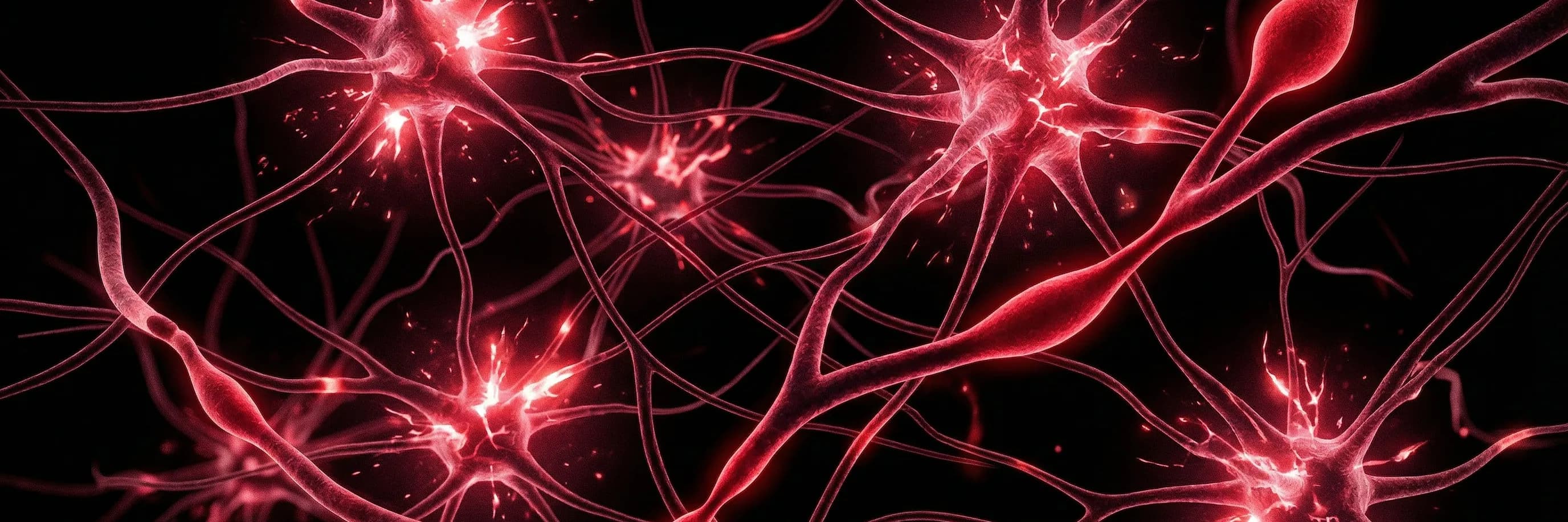
في الساعة 32 من الإقلاع عن التدخين (اليوم الثاني)، تم التخلص من النيكوتين تماماً من جسدك. تراجع مؤشرات الإجهاد التأكسدي: مستويات البلازما من F2-isoprostanes، مؤشر حيوي لأكسدة الدهون والإجهاد التأكسدي، تبدأ في التراجع بشكل قابل للقياس. التركيز يظل ضعيفاً؛ القراءة أو متابعة المحادثات المعقدة تتطلب جهداً ملحوظاً أكثر. هذه مرحلة طبيعية موثقة من أعراض انسحاب التدخين.
ما يحدث في جسمك
مستويات البلازما من F2-isoprostanes، مؤشر حيوي لأكسدة الدهون والإجهاد التأكسدي، تبدأ في التراجع بشكل قابل للقياس. تقليل عبء الجذور الحرة يسمح لأنظمة مضادات الأكسدة الداخلية بالبدء في استعادة القدرة. يحتوي دخان السجائر على أكثر من 7000 مادة كيميائية — النيكوتين هو ما يسبب الإدمان، لكن منتجات الاحتراق (القطران، أول أكسيد الكربون، الفورمالديهايد، البنزين) هي ما تسبب أكثر الأضرار الجسدية. مع اختفاء النيكوتين، تختفي أيضاً التعرض المستمر لهذه السموم.
في هذه اللحظة — "تراجع مؤشرات الإجهاد التأكسدي" — جسدك خالٍ تماماً من النيكوتين ومركز على التعافي العصبي والأنسجة.
مجرى دمك الآن خالٍ من النيكوتين — حالة لم يكن عليها منذ أن أصبحت مدخناً منتظماً. لشخص كان يدخن علبة يومياً، هذا يعني تقريباً 200 جرعة نيكوتين يومياً، 7300 في السنة، كل واحدة منها تعزز المسارات العصبية للإدمان. كل هذا المدخل قد توقف. آليات الإصلاح في جسدك، التي كانت تحارب باستمرار الأضرار الجديدة أثناء التدخين، يمكنها الآن التركيز بالكامل على الشفاء. أكثر من 7000 مادة كيميائية — مواد مسرطنة مثل البنزين والفورمالديهايد والأكرولين — لم تعد تُضخ في جسدك.
داخل خلاياك، شيء مهم يتغير. مؤشرات الإجهاد التأكسدي في دمك — تحديداً F2-isoprostanes، التي تقيس الضرر الخلوي من الجذور الحرة — تتراجع بشكل قابل للقياس. كل جرعة نيكوتين غمرت نظامك بجذور حرة هاجمت أغشية خلاياك. هذا القصف قد توقف، ودفاعات مضادات الأكسدة في جسدك تستعيد قدرتها.
كيف تشعر
التركيز يظل ضعيفاً؛ القراءة أو متابعة المحادثات المعقدة تتطلب جهداً ملحوظاً أكثر.
ساعات الصباح تحمل حمولة محفزات ثقيلة للمدخنين — التنقل، استراحة العمل، قهوة منتصف الصباح. كل واحدة من هذه كانت طقوس تدخين. اليوم، كل واحدة تمر خلالها بدون سيجارة تضعف الارتباط. لا يبدو كتقدم، لكنه كذلك.
للتدخين طقوس مدمجة — العلبة، الولاعة، أول سيجارة مع قهوة الصباح، سيجارة ما بعد الوجبة — كل واحدة منها محفز مرتبط بروتينك اليومي. عقود من أبحاث التدخين تظهر أن العناصر الطقسية — العلبة في جيبك، الولاعة في يدك، أول شهيق في الصباح — تخلق اعتماداً نفسياً يسير بالتوازي مع ومستقلاً عن إدمان النيكوتين. أنت تحارب كلاهما بالتزامن الآن، وهذا ما يجعل أول 72 ساعة شديدة جداً.
إذا كنت تدخن لسنوات أو عقود، فإن جسدك قد تراكمت فيه أضرار تبدأ في الانعكاس لحظة توقفك. كل ساعة بدون سيجارة هي تقدم قابل للقياس. كل ساعة لا تشعل فيها سيجارة، دماغك يسجل نقطة بيانات جديدة: "نجوت من هذا المحفز بدون سيجارة." مع الوقت، هذه النقاط تتراكم لتصبح افتراضياً جديداً. لكن الآن، الافتراضي القديم صاخب.
ماذا تفعل الآن
كل كوب من التوت الأزرق أو الكرز الداكن لتوفير الأنثوسيانين، وهي مضادات أكسدة غذائية قوية تكمل تعافي الجسم من الضرر التأكسدي.
عندما تضربك الرغبة الشديدة — مثل مكالمة مجهدة أو موعد نهائي في العمل — استخدم تقنية التنفس 4-7-8: شهيق 4 ثوانٍ، احبس 7، زفير 8. الزفير الممتد ينشط جهازك العصبي السمبثاوي ويخفض ارتفاع الكورتيزول الذي يحفز الرغبة. ستمر في 90 ثانية.
تقنية الماء البارد: اشرب كوب كامل من الماء المثلج بأسرع ما تستطيع بشكل مريح. الإحساس البارد وفعل الشرب يشغلان تثبيت الفم والعصب المبهم معاً. اتبعه بنعناع قوي — النكهة الحادة تحل محل إحساس الحلق من الدخان.
ما تتوقعه في هذه الساعة
خلال فترة الصباح هذه في اليوم الثاني من الإقلاع عن التدخين، أعراض الانسحاب شديدة — هذه واحدة من أصعب الساعات. جسدك خالٍ تماماً من النيكوتين — جميع الأعراض المتبقية هي تكيف عصبي، وليس انسحاب كيميائي. خلال مرحلة الانسحاب الحاد (الأيام 1-3)، جسدك مركز على تطهير النيكوتين ومنتجاته الأيضية. النيكوتين من السجائر يتم تكسيره والتخلص منه. كل ساعة تجلب تقدماً قابلاً للقياس.
تغيرات الجسم
مستوى النيكوتين: 0% — تم التخلص منه تماماً من مجرى دمك. حقق جسدك التخلص الكامل من النيكوتين في الساعة 72.
الأعراض الشائعة اليوم
الأسئلة الشائعة
هل من الطبيعي أن أشعر بهذا الشكل بعد 32 ساعة من الإقلاع عن التدخين؟
نعم. في الساعة 32 (اليوم الثاني)، جسدك خالٍ تماماً من النيكوتين ويخضع لتكيف عصبي. الأعراض التي تواجهها — والتي تكون عالية في هذه المرحلة — هي جزء موثق من انسحاب النيكوتين وستمر.
كم من النيكوتين متبقي في جسدي بعد 32 ساعة؟
بعد 32 ساعة بدون تدخين، يتبقى تقريباً 0.0% من النيكوتين في مجرى دمك. جسدك الآن خالٍ 100% من النيكوتين. جميع الأعراض المتبقية عصبية، وليست كيميائية.
احصل على إرشاد ساعة بساعة، وإشعارات الإحاطات، والتدريب الصوتي على هاتفك.