HOUR 30 OF 336The Smoker's Cough Returns
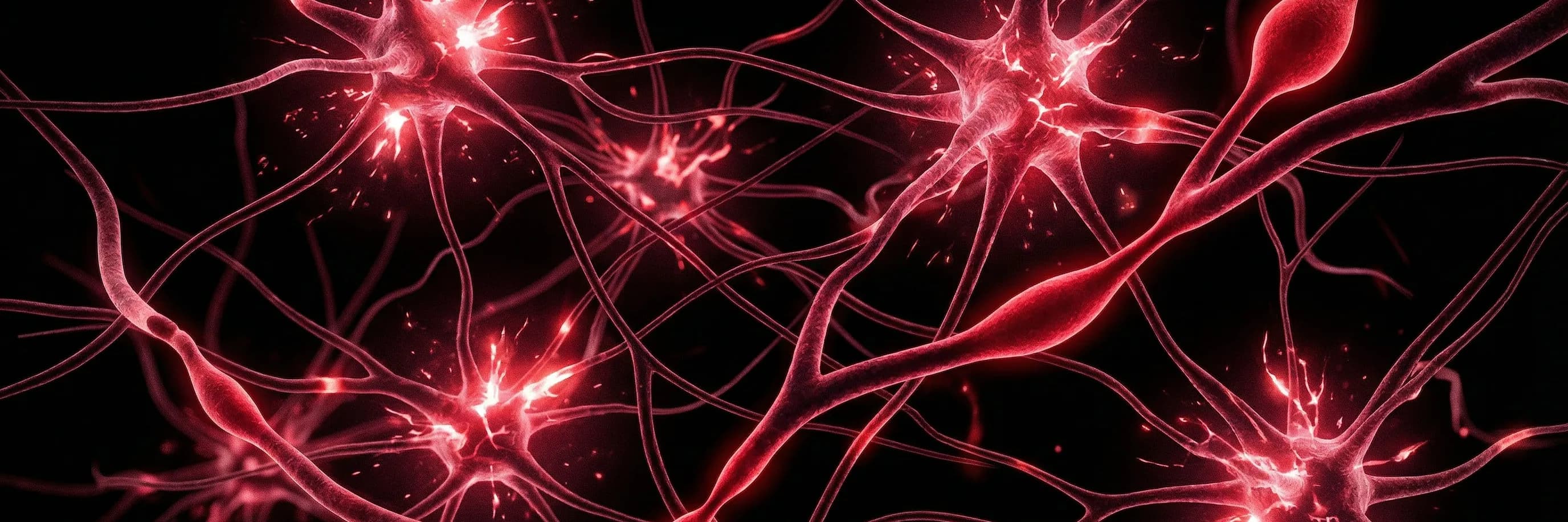
At hour 30 of quitting smoking (day 2), nicotine has been completely cleared from your body. Goblet cells in your bronchial epithelium are increasing mucus production as ciliary function returns, so coughing and phlegm may get worse before they get better. This is the mucociliary escalator restarting and pushing years of tar residue upward, not your lungs failing. The physical discomfort feeds doubt about the decision. This is a normal, documented stage of smoking withdrawal.
WHAT'S HAPPENING IN YOUR BODY
Goblet cells in the bronchial epithelium increase mucus production as ciliary function returns. This paradoxical increase in coughing and phlegm is a positive sign of the mucociliary escalator reactivating. Cigarette smoke contains over 7,000 chemicals — the nicotine is what hooks you, but the combustion byproducts (tar, carbon monoxide, formaldehyde, benzene) are what cause the most physical damage. As nicotine clears, so does the constant exposure to these toxins.
At this moment — "Bronchial Mucus Secretion Increasing" — your body is completely nicotine-free and focused on neurological and tissue recovery.
Your bloodstream is now nicotine-free — a state it hasn't been in since you became a regular smoker. For someone who smoked a pack a day, that's roughly 200 doses of nicotine per day, 7,300 per year, each one reinforcing the neural pathways of addiction. All of that input has stopped. Your body's repair mechanisms, which were constantly fighting new damage while you smoked, can now focus entirely on healing. The 7,000+ chemicals — carcinogens like benzene, formaldehyde, and acrolein — are no longer being delivered.
You might be suddenly, irrationally hungry. This is real and it's biochemical. Nicotine suppressed your appetite by affecting your hypothalamus — the part of your brain that regulates hunger signals. Without nicotine, that suppression is gone and your body is recalibrating.
HOW YOU'RE FEELING
Physical discomfort from increased coughing adds to psychological distress, creating doubt about the cessation decision.
Early morning is a high-risk window for former smokers. The "first cigarette of the day" was often the most psychologically reinforced of all daily smokes — paired with waking up, coffee, and the transition from sleep to alertness. Your brain is looking for that signal right now. Replace it with something physical: stretch, splash cold water on your face, step outside for fresh air.
Smoking has built-in rituals — the pack, the lighter, the first cigarette with morning coffee, the post-meal smoke — each one a trigger wired into your daily routine. Decades of smoking research show that the ritual elements — the pack in your pocket, the lighter in your hand, the first inhale of the morning — create psychological dependency that runs parallel to and independent of nicotine addiction. You're fighting both simultaneously right now, and that's what makes the first 72 hours so intense.
If you've smoked for years or decades, your body has accumulated damage that begins reversing the moment you stop. Every hour without a cigarette is measurable progress. Every hour you don't light up, your brain is recording a new data point: "I survived this trigger without a cigarette." Over time, these data points accumulate into a new default. But right now, the old default is loud.
WHAT TO DO RIGHT NOW
Sip warm water with honey and lemon throughout the day to soothe irritated airways and thin bronchial secretions.
Write the craving down: trigger, intensity (1-10), time, location. This practice — called urge surfing in clinical literature — transforms the overwhelming feeling into observable data. Most people who track cravings discover they're shorter and less frequent than they feel in the moment.
Break the ritual chain: If your trigger right now is finishing a meal and reaching for the pack that isn't there, have a replacement behavior ready before the moment arrives. Switch coffee to tea, sit in a different room, take your break somewhere new. Waiting until the craving hits to decide what to do is too late.
WHAT TO EXPECT THIS HOUR
In these early morning hours on day 2 of quitting smoking, withdrawal symptoms are intense — this is one of the harder hours. Expect to cough more, not less, and to bring up mucus that looks alarming. Cigarette smoke paralyzed the cilia lining your airways; now that they are moving again they are sweeping trapped tar toward your throat. Drink water, stay upright, and do not read the cough as proof that quitting hurt you. Each hour brings measurable progress.
BODY CHANGES
Nicotine level: 0% — completely cleared from your bloodstream, effectively zero from hour 72. In your airways, goblet cells are producing more mucus as the smoke-paralyzed cilia recover motion, which is the mechanical stage of clearing out what cigarettes left behind.
COMMON SYMPTOMS TODAY
FREQUENTLY ASKED QUESTIONS
Is it normal to feel this way 30 hours after quitting smoking?
Yes. At hour 30 (day 2), your body is free of nicotine and undergoing neurological adaptation, and the added coughing is a physical recovery sign layered on top of it. Both are documented parts of quitting cigarettes. Withdrawal intensity peaks between hours 24 and 72.
How much nicotine is left in my body after 30 hours?
After 30 hours without smoking, approximately 0.0% of nicotine remains in your bloodstream, with full clearance by hour 72. Your symptoms are no longer being driven by nicotine in your blood. They are driven by receptors adapting to its absence.
Why am I coughing more now than when I was smoking?
Cigarette smoke paralyzes and destroys the cilia that normally sweep your airways clean, which is why smokers often cough less than their lungs deserve. As the cilia recover, goblet cells step up mucus production and the whole escalator restarts, lifting trapped tar and debris toward your throat. The cough is your lungs cleaning house, and it settles over the following weeks.
Get hour-by-hour guidance, push notification briefings, and audio coaching delivered to your phone.

