HOUR 29 OF 336Blood Flowing Easier Now
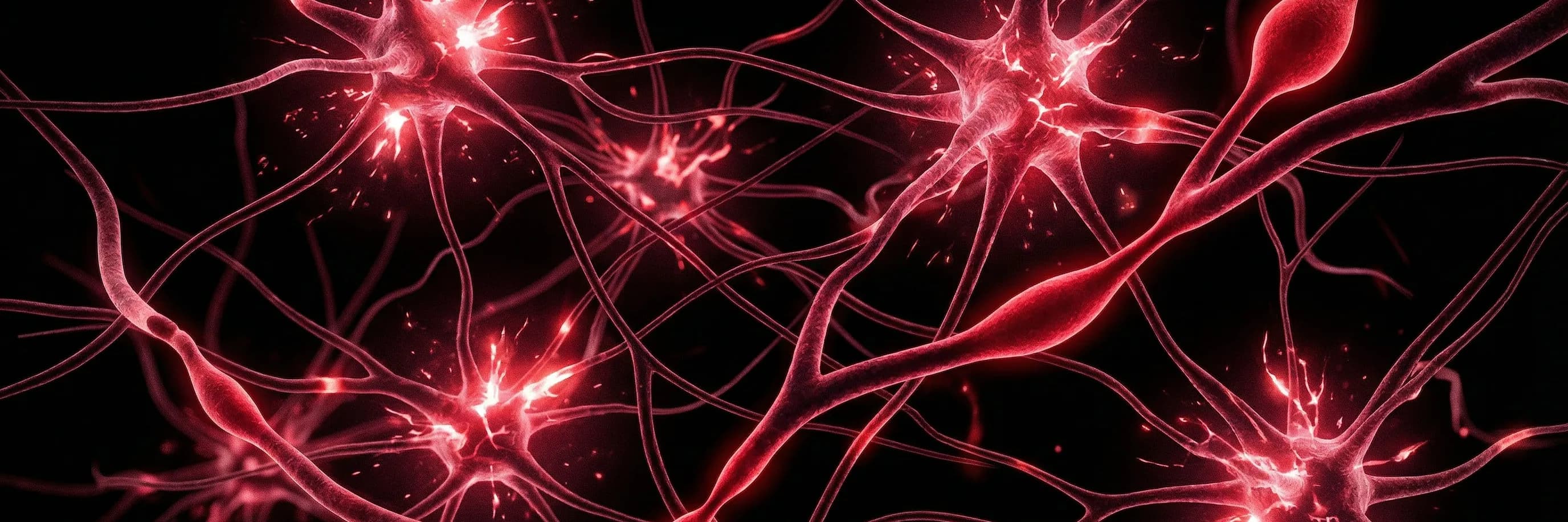
At hour 29 of quitting smoking (day 2), nicotine has been completely cleared from your body. Whole blood viscosity, elevated in smokers by increased hematocrit and fibrinogen, is beginning to decrease, and with carbon monoxide long gone your red cells are carrying oxygen at full capacity. Time distortion sets in: minutes stretch out during a craving even though each craving lasts 3-5 minutes. This is a normal, documented stage of smoking withdrawal.
WHAT'S HAPPENING IN YOUR BODY
Whole blood viscosity, elevated in smokers due to increased hematocrit and fibrinogen, begins decreasing. This rheological improvement reduces shear stress on arterial walls and lowers atherothrombotic risk. Cigarette smoke contains over 7,000 chemicals — the nicotine is what hooks you, but the combustion byproducts (tar, carbon monoxide, formaldehyde, benzene) are what cause the most physical damage. As nicotine clears, so does the constant exposure to these toxins.
At this moment — "Blood Viscosity Decreasing" — your body is completely nicotine-free and focused on neurological and tissue recovery.
Your bloodstream is now nicotine-free — a state it hasn't been in since you became a regular smoker. For someone who smoked a pack a day, that's roughly 200 doses of nicotine per day, 7,300 per year, each one reinforcing the neural pathways of addiction. All of that input has stopped. Your body's repair mechanisms, which were constantly fighting new damage while you smoked, can now focus entirely on healing. The 7,000+ chemicals — carcinogens like benzene, formaldehyde, and acrolein — are no longer being delivered.
Your blood is physically changing. It's becoming less viscous — less thick and sticky — because the elevated fibrinogen and hematocrit levels from chronic nicotine use are dropping. Thinner blood flows more easily through your arteries. That means less shear stress on your vessel walls, less clot risk, less strain on your heart.
HOW YOU'RE FEELING
A sense of time distortion emerges, with minutes feeling extended during craving episodes.
Early morning is a high-risk window for former smokers. The "first cigarette of the day" was often the most psychologically reinforced of all daily smokes — paired with waking up, coffee, and the transition from sleep to alertness. Your brain is looking for that signal right now. Replace it with something physical: stretch, splash cold water on your face, step outside for fresh air.
Smoking has built-in rituals — the pack, the lighter, the first cigarette with morning coffee, the post-meal smoke — each one a trigger wired into your daily routine. Decades of smoking research show that the ritual elements — the pack in your pocket, the lighter in your hand, the first inhale of the morning — create psychological dependency that runs parallel to and independent of nicotine addiction. You're fighting both simultaneously right now, and that's what makes the first 72 hours so intense.
If you've smoked for years or decades, your body has accumulated damage that begins reversing the moment you stop. Every hour without a cigarette is measurable progress. Every hour you don't light up, your brain is recording a new data point: "I survived this trigger without a cigarette." Over time, these data points accumulate into a new default. But right now, the old default is loud.
WHAT TO DO RIGHT NOW
Set a timer for 5 minutes during each craving and observe it count down; this externalizes the proof that cravings are time-limited.
Oral substitutes: raw carrots, celery sticks, sunflower seeds, or cinnamon toothpicks. The hand-to-mouth motion and oral stimulation address the ritual component of smoking, which operates independently of nicotine. Your mouth is looking for something to do — give it something healthy.
When the craving hits — like taking a break at work — the "smoke break" social ritual — use the 4-7-8 breathing technique: inhale 4 seconds, hold 7, exhale 8. The extended exhale activates your parasympathetic nervous system and lowers the cortisol spike driving the craving. It will pass in 90 seconds.
WHAT TO EXPECT THIS HOUR
In these early morning hours on day 2 of quitting smoking, withdrawal symptoms are intense — this is one of the harder hours. Your body is completely free of nicotine, so what is left is neurological adaptation, not chemical withdrawal. Cravings will feel far longer than they are; time a couple of them and you will see 3-5 minutes on the clock. Meanwhile your blood is running thinner and warmer through the small vessels that chronic smoking kept clamped shut. Each hour brings measurable progress.
BODY CHANGES
Nicotine level: 0% — completely cleared from your bloodstream, with full clearance by hour 72. Whole blood viscosity, raised by the elevated hematocrit and fibrinogen of chronic smoking, is dropping, which means less shear stress on your arterial walls and better flow into your fingers and toes.
COMMON SYMPTOMS TODAY
FREQUENTLY ASKED QUESTIONS
Is it normal to feel this way 29 hours after quitting smoking?
Yes. At hour 29 (day 2), your body is completely free of nicotine and undergoing neurological adaptation. The distorted sense of time and the high-intensity restlessness are documented withdrawal effects. They are worst between hours 24 and 72 and then start to ease.
How much nicotine is left in my body after 29 hours?
After 29 hours without a cigarette, approximately 0.0% of nicotine remains in your bloodstream, and it is fully cleared by hour 72. Nicotine's half-life is only about two hours, so it left long before the cravings did. All remaining symptoms are neurological, not chemical.
Why do my hands and feet feel warmer since I stopped smoking?
Smoking kept your small peripheral vessels constricted and your blood thicker than it should have been, from raised hematocrit and fibrinogen. Both are reversing: viscosity is falling and the vessels are relaxing. Add the carbon monoxide clearing out of your blood in the first day, and your extremities are getting properly oxygenated blood again.
Get hour-by-hour guidance, push notification briefings, and audio coaching delivered to your phone.

