HOUR 22 OF 336Artery Linings Repairing
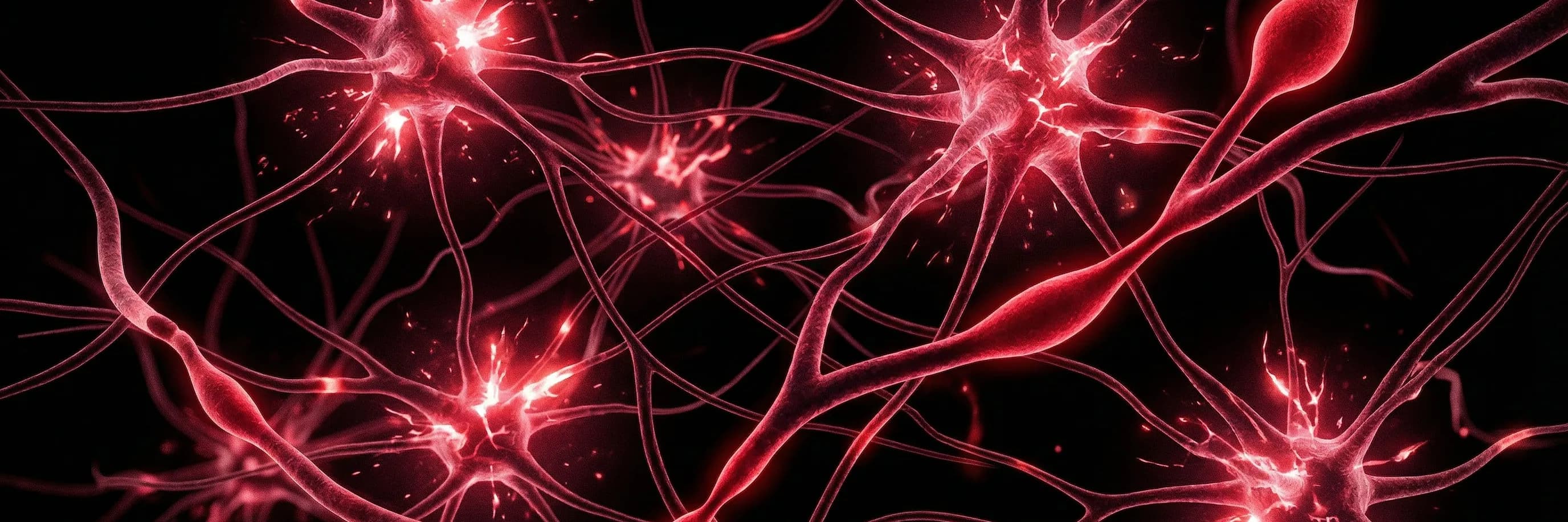
At hour 22 of quitting smoking (day 1), your blood nicotine level has dropped to 0.1% of what it was when you quit. The endothelial cells lining your arteries are producing more nitric oxide as the oxidative stress from cigarette smoke drops away, which relaxes vessels and reduces arterial stiffness. Sustained attention is measurably impaired compared to your smoking baseline — that's temporary and it recovers. Two hours to a full day. This is a normal and documented stage of smoking withdrawal.
WHAT'S HAPPENING IN YOUR BODY
Vascular endothelial cells are increasing production of nitric oxide as oxidative stress from cigarette smoke diminishes. Improved nitric oxide bioavailability supports vasodilation and reduces arterial stiffness. Cigarette smoke contains over 7,000 chemicals — the nicotine is what hooks you, but the combustion byproducts (tar, carbon monoxide, formaldehyde, benzene) are what cause the most physical damage. As nicotine clears, so does the constant exposure to these toxins.
At this moment — "Endothelial Nitric Oxide Rising" — your body is still processing nicotine (0.1% remaining).
Nicotine is at 0.1% — essentially trace. The pharmacokinetic withdrawal is nearly complete. Your body hasn't been this close to nicotine-free since before you became a regular smoker. The tar deposits in your airways are still present (they'll take weeks to clear), but the fresh damage from each new cigarette has stopped. From here, your body shifts entirely to neurological adaptation and tissue repair.
Your blood vessels are repairing themselves from the inside. The endothelial cells that line your arteries are ramping up production of nitric oxide — a molecule that relaxes blood vessels, lowers blood pressure, and protects against clots. Nicotine and the oxidative stress that came with it suppressed this process. That suppression is lifting.
HOW YOU'RE FEELING
Cognitive performance on tasks requiring sustained attention is measurably impaired compared to smoking baseline.
Evening carries powerful associations for smokers — the wind-down smoke, the after-dinner cigarette, the nightcap on the porch. These are comfort rituals, not just nicotine delivery. Replacing them requires not just avoiding the cigarette but actively creating a new wind-down routine. A warm drink, light stretching, or reading can signal "day is ending" to your brain without the smoke.
Smoking has built-in rituals — the pack, the lighter, the first cigarette with morning coffee, the post-meal smoke — each one a trigger wired into your daily routine. Decades of smoking research show that the ritual elements — the pack in your pocket, the lighter in your hand, the first inhale of the morning — create psychological dependency that runs parallel to and independent of nicotine addiction. You're fighting both simultaneously right now, and that's what makes the first 72 hours so intense.
If you've smoked for years or decades, your body has accumulated damage that begins reversing the moment you stop. Every hour without a cigarette is measurable progress. Every hour you don't light up, your brain is recording a new data point: "I survived this trigger without a cigarette." Over time, these data points accumulate into a new default. But right now, the old default is loud.
WHAT TO DO RIGHT NOW
Eat a serving of dark leafy greens such as spinach or arugula, which are high in dietary nitrates that further support endothelial nitric oxide production.
Write the craving down: trigger, intensity (1-10), time, location. This practice — called urge surfing in clinical literature — transforms the overwhelming feeling into observable data. Most people who track cravings discover they're shorter and less frequent than they feel in the moment.
Break the ritual chain: If your trigger right now is taking a break at work — the "smoke break" social ritual, have a replacement behavior ready before the moment arrives. Switch coffee to tea, sit in a different room, take your break somewhere new. Waiting until the craving hits to decide what to do is too late.
WHAT TO EXPECT THIS HOUR
As the evening progresses on day 1 of quitting smoking, withdrawal is intense — this is one of the harder hours. 0.1% of nicotine remains. In the Acute Withdrawal phase (Days 1-3) the lining of your arteries is repairing as the oxidative load from smoke drops away. Your attention is worse than your smoking baseline right now; that's temporary. Two hours to a full day.
BODY CHANGES
Nicotine level: 0.1% remaining. Your liver's CYP2A6 enzymes are actively converting nicotine into cotinine for renal clearance.
Carbon monoxide is clearing from your blood. Smokers' carboxyhemoglobin levels drop from 3-15% to under 1% within the first 24 hours, dramatically improving oxygen delivery to every cell.
COMMON SYMPTOMS TODAY
FREQUENTLY ASKED QUESTIONS
Is it normal to feel this way 22 hours after quitting smoking?
Yes. At hour 22 (day 1), nicotine is essentially trace and sustained attention is measurably worse than your smoking baseline. High intensity here is documented and reversible.
What repairs first after quitting smoking?
The blood chemistry. Carbon monoxide clears within a day, blood pressure drops 5-10 mmHg toward baseline within 24 hours, and the endothelial cells lining your arteries increase nitric oxide production as smoke-driven oxidative stress falls away.
Will my concentration come back?
Yes. The fog comes from receptors adapting to running without nicotine, not from damage. Receptor recalibration approaches non-smoker levels over the coming weeks, and focus improves steadily along the way.
Get hour-by-hour guidance, push notification briefings, and audio coaching delivered to your phone.

