JAM 21 DARI 336Ritme Kortisol Terganggu
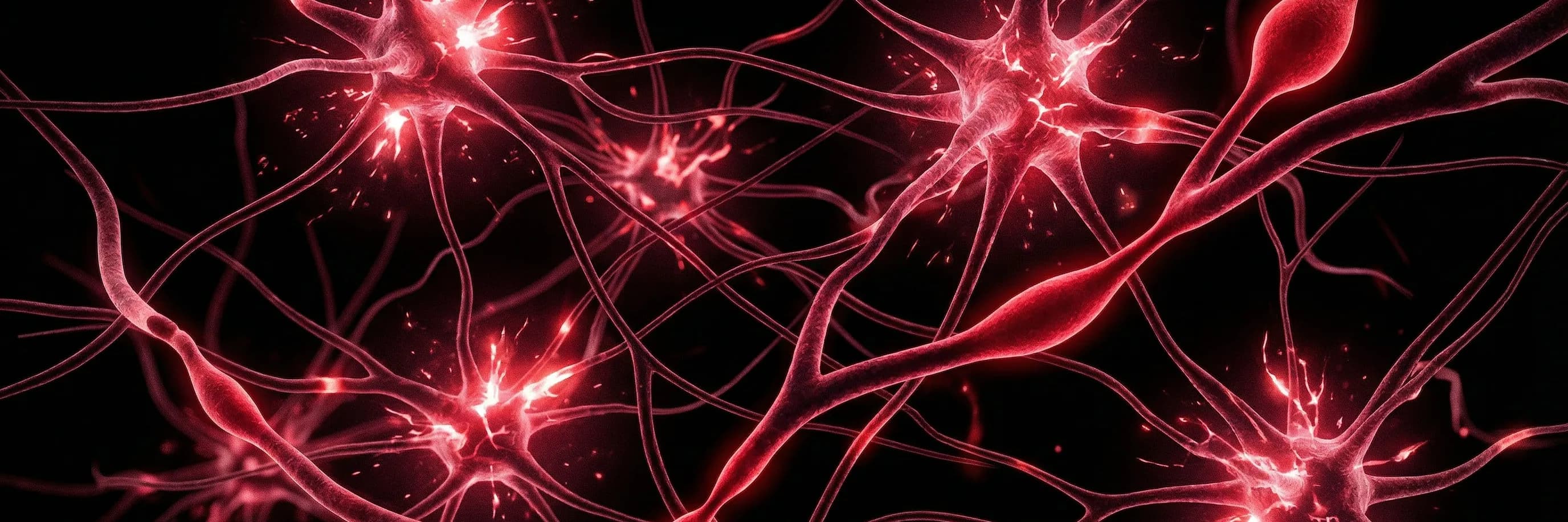
Pada jam ke-21 berhenti merokok (hari 1), kadar nikotin dalam darah Anda telah turun menjadi 0,1% dari saat Anda berhenti. Ritme Kortisol Terganggu: Sumbu hipotalamus-pituitari-adrenal, yang secara kronis dimodulasi oleh nikotin, menunjukkan sekresi kortisol yang tidak teratur. Bangun pagi tanpa rokok pertama yang biasa menciptakan distres psikologis akut dan perasaan kehilangan. Ini adalah tahap normal dan terdokumentasi dari putus nikotin.
APA YANG TERJADI DALAM TUBUH ANDA
Sumbu hipotalamus-pituitari-adrenal, yang secara kronis dimodulasi oleh nikotin, menunjukkan sekresi kortisol yang tidak teratur. Respons kebangkitan kortisol pagi dapat tumpul atau berlebihan selama 48-72 jam pertama penghentian. Asap rokok mengandung lebih dari 7.000 bahan kimia — nikotin adalah yang membuat Anda kecanduan, tetapi produk sampingan pembakaran (tar, karbon monoksida, formaldehida, benzena) adalah yang menyebabkan kerusakan fisik paling besar. Saat nikotin hilang, paparan konstan terhadap racun ini juga berhenti.
Pada saat ini — "Ritme Kortisol Terganggu" — tubuh Anda masih memproses nikotin (0,1% tersisa).
Nikotin berada di 0,1% — pada dasarnya hanya jejak. Putus farmakokinetik hampir selesai. Tubuh Anda belum pernah sedekat ini dengan bebas nikotin sejak sebelum Anda menjadi perokok reguler. Endapan tar di saluran napas Anda masih ada (perlu berminggu-minggu untuk hilang), tetapi kerusakan aktif dari setiap rokok baru telah berhenti secara permanen. Mulai dari sini, tubuh Anda sepenuhnya beralih ke adaptasi neurologis dan perbaikan jaringan.
Anda tinggal tiga jam lagi dari satu hari penuh tanpa nikotin. Jika Anda terjaga sekarang, mungkin Anda mengalami insomnia. Itu adalah salah satu gejala putus paling umum, dan memuncak pada beberapa malam pertama. Kimia tidur tubuh Anda mengandalkan nikotin untuk mengatur dirinya, dan sekarang sedang membangun kembali sistem itu dari awal.
APA YANG ANDA RASAKAN
Bangun pagi tanpa rokok pertama yang biasa menciptakan distres psikologis akut dan perasaan kehilangan.
Malam membawa asosiasi yang kuat bagi perokok — rokok untuk bersantai, rokok setelah makan malam, rokok malam di teras. Ini adalah ritual kenyamanan, bukan hanya pengiriman nikotin. Mengganti mereka memerlukan tidak hanya menghindari rokok tetapi secara aktif menciptakan rutinitas bersantai yang baru. Minuman hangat, peregangan ringan, atau membaca dapat memberi sinyal "hari berakhir" ke otak Anda tanpa asap.
Merokok memiliki ritual bawaan — bungkus rokok, korek api, rokok pertama dengan kopi pagi, rokok setelah makan — masing-masing adalah pemicu yang terhubung ke rutinitas harian Anda. Penelitian merokok selama puluhan tahun menunjukkan bahwa elemen ritual — bungkus rokok di saku, korek api di tangan, hirupan pertama pagi — menciptakan ketergantungan psikologis yang berjalan paralel dan independen dari kecanduan nikotin. Anda sedang melawan keduanya secara bersamaan sekarang, dan itulah yang membuat 72 jam pertama sangat intens.
Jika Anda telah merokok selama bertahun-tahun atau puluhan tahun, tubuh Anda telah mengakumulasi kerusakan yang mulai terbalik saat Anda berhenti. Setiap jam tanpa rokok adalah kemajuan yang dapat diukur. Setiap jam Anda tidak menyalakan rokok, otak Anda mencatat data poin baru: "Saya selamat dari pemicu ini tanpa rokok." Seiring waktu, data poin ini terakumulasi menjadi default baru. Tetapi sekarang, default lama sangat keras.
APA YANG HARUS DILAKUKAN SEKARANG
Segera setelah bangun, minum 500 mL air dingin dan keluar rumah ke sinar matahari alami selama 5 menit untuk mereset pola kortisol sirkadian.
Pengganti oral: wortel mentah, batang seledri, biji bunga matahari, atau tusuk gigi kayu manis. Gerakan tangan ke mulut dan stimulasi oral mengatasi komponen ritual merokok, yang beroperasi secara independen dari nikotin. Mulut Anda mencari sesuatu untuk dilakukan — beri sesuatu yang sehat.
Ketika keinginan muncul — seperti bersosialisasi dengan teman yang merokok, terutama dengan alkohol — gunakan teknik pernapasan 4-7-8: tarik napas 4 detik, tahan 7, buang napas 8. Hembusan yang diperpanjang mengaktifkan sistem saraf parasimpatis dan menurunkan lonjakan kortisol yang mendorong keinginan. Ini akan berlalu dalam 90 detik.
APA YANG DIHARAPKAN JAM INI
Saat malam berlangsung pada hari 1 berhenti merokok, gejala putus intens — ini adalah salah satu jam yang lebih sulit. Tubuh Anda masih memiliki 0,1% nikotin untuk dibersihkan. Selama fase Putus Akut (Hari 1-3), tubuh Anda fokus pada pembersihan nikotin dan metabolitnya. Nikotin dari rokok sedang dipecah dan dieliminasi. Setiap jam membawa kemajuan yang dapat diukur.
PERUBAHAN TUBUH
Kadar nikotin: 0,1% tersisa. Enzim CYP2A6 hati Anda secara aktif mengubah nikotin menjadi kotinin untuk pembersihan ginjal.
Karbon monoksida sedang hilang dari darah Anda. Kadar karboksihemoglobin perokok turun dari 3-15% menjadi di bawah 1% dalam 24 jam pertama, secara dramatis meningkatkan pengiriman oksigen ke setiap sel.
GEJALA UMUM HARI INI
PERTANYAAN YANG SERING DIAJUKAN
Apakah normal merasakan hal ini 21 jam setelah berhenti merokok?
Ya. Pada jam ke-21 (hari 1), tubuh Anda masih membersihkan nikotin (0% tersisa). Gejala yang Anda alami — yang tinggi pada tahap ini — adalah bagian terdokumentasi dari putus nikotin dan akan berlalu.
Berapa banyak nikotin yang tersisa di tubuh saya setelah 21 jam?
Setelah 21 jam tanpa merokok, sekitar 0,1% nikotin tersisa dalam aliran darah Anda. Sebagian besar nikotin telah dibersihkan. Tubuh Anda berada dalam tahap akhir putus farmakokinetik.
Kapan keinginan merokok akan mencapai puncak?
Keinginan biasanya mencapai puncak antara jam 24-72 setelah berhenti merokok. Setiap keinginan berlangsung 3-5 menit — terasa tak berujung tetapi akan berlalu. Anda saat ini berada di jam ke-21, membangun menuju intensitas puncak. Hal penting yang perlu diketahui: setiap keinginan yang Anda lewati tanpa merokok akan melemahkan yang berikutnya.
Dapatkan panduan jam demi jam, briefing notifikasi push, dan pelatihan audio langsung ke ponsel Anda.