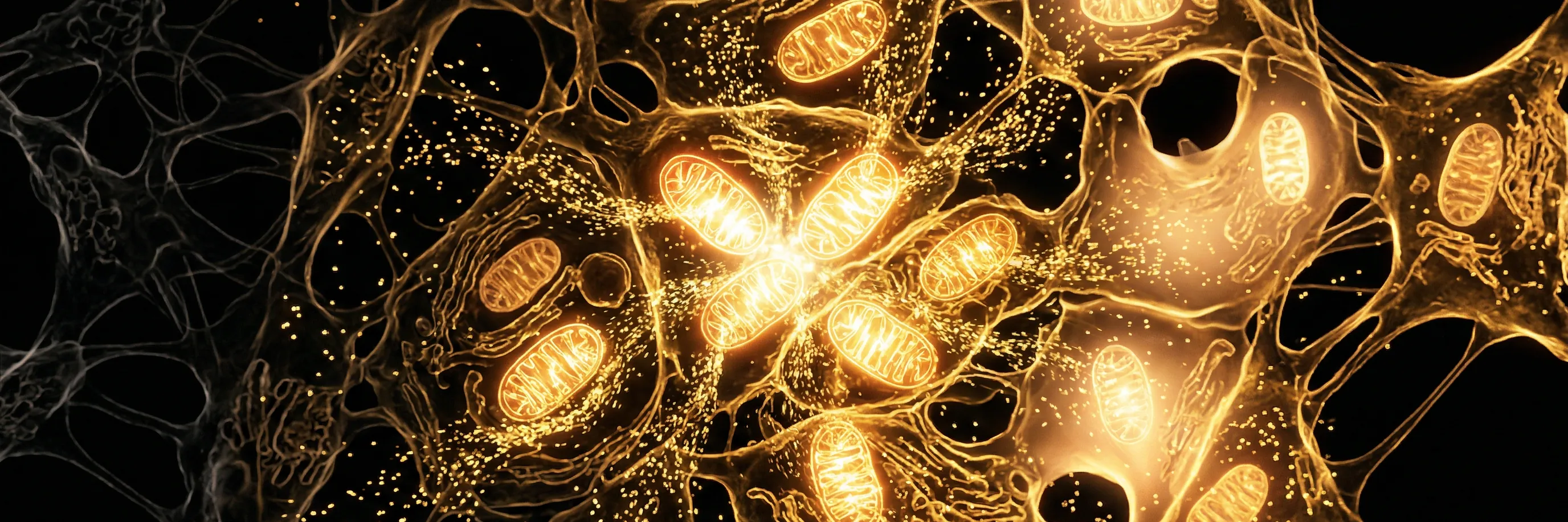
Fatigue after quitting smoking begins around day 2-3 and peaks during days 3-5. Nicotine was a stimulant that artificially boosted alertness and energy. Without it, your body recalibrates its natural energy production. Energy returns significantly by day 7-10 and stabilizes at a consistent level by day 14 — often more sustained than the peak-and-trough cycle of active smoking.
Smokers often didn't realize how much their energy depended on the next cigarette. Every smoke triggered norepinephrine and dopamine — stimulant neurotransmitters. Removing that constant stimulation creates a temporary energy gap while your brain rebuilds natural production.
开始时间
Energy decline on day 2-3 as stimulant effects fully clear.
高峰时间
Peak fatigue days 3-5 at the nadir of dopamine and norepinephrine production.
缓解时间
Energy recovers by day 7-10 and often exceeds smoking-era levels by day 14, minus the boom-bust cycle.
发生原因
Nicotine stimulated norepinephrine (alertness) and dopamine (motivation). Your brain atrophied natural production of these during years of smoking. The transition gap produces fatigue until endogenous production recovers.
应对措施
Sleep when tired. Short naps (20 min max). Exercise for natural energy. Regular protein-rich meals. Morning sunlight for circadian support. Don't overdo caffeine.
Nicotine artificially boosted your energy via norepinephrine and dopamine. Without it, your brain needs days to rebuild natural production. Peaks days 3-5, resolves by day 10-14.
How long does it last?
Significant fatigue for about one week (days 2-7). Energy returns to normal or better by day 14.
Will I have more energy long-term?
Yes. Without the nicotine cycle, your energy level is more stable and sustained. No more crashes between cigarettes.
下载336
获取逐时指导、推送通知简报和手机音频教练服务。
APP STORE — 即将发布GOOGLE PLAY — 即将发布
Fatigue & Energy Levels After Quitting Smoking: Hour-by-Hour Timeline | 336