HOUR 336 OF 336Sprint Complete
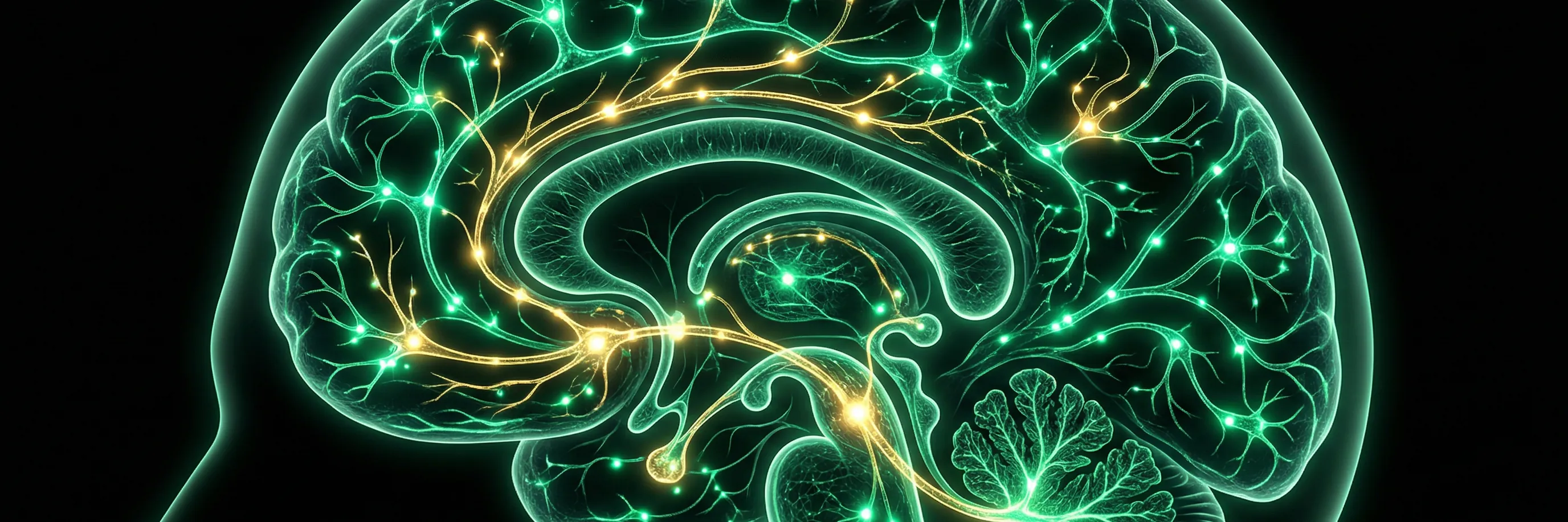
Sprint complete. Nicotine and cotinine are gone from your blood. Surplus nicotine receptors are still being pruned; imaging studies show them reaching non-user levels 6 to 12 weeks after quitting. Fourteen days of cessation have produced measurable improvements in circulation, inflammation, sleep and airway function.
WHAT'S HAPPENING IN YOUR BODY
Sprint complete. Nicotine and cotinine are gone from your blood. Surplus nicotine receptors are still being pruned; imaging studies show them reaching non-user levels 6 to 12 weeks after quitting. Fourteen days of cessation have produced measurable improvements in circulation, inflammation, sleep and airway function.
HOW YOU'RE FEELING
You are no longer a vaper who is not vaping. You are a non-vaper.
This distinction is not semantic — it's the most important psychological shift of the entire sprint. For 14 days, your brain has been building new pathways. The vaping circuits — the hand-to-device motion, the throat-hit anticipation, the flavor association, the stress-response-reaches-for-vape reflex — have been weakening through disuse. The non-vaping circuits — new coping mechanisms, new reward patterns, new identity — have been strengthening through practice.
The result: nicotine is no longer your default response to stress, boredom, social situations, or emotional discomfort. Something else is. Whatever you've been doing for the past two weeks instead of vaping — walking, breathing, drinking water, chewing gum, calling someone, just sitting with the discomfort — those are now your patterns. They're not as strong as 336 hours of reinforcement can make them, but they're real and they're growing.
Some people feel euphoric at day 14. Others feel quietly resolved. Some feel surprisingly neutral — "Is this it?" Yes, this is it. The absence of drama is the point. You've reached a state where not vaping is simply your normal, not a daily battle.
The memories of vaping will occasionally surface. A smell, a social situation, a stressful moment — and for a fraction of a second, the old circuit fires. It will feel less like a craving and more like a thought: "I used to vape." Notice the tense. Past tense. Let the thought pass. It has no power unless you give it action.
The person you are today has 336 hours of evidence that life without nicotine is not only survivable but measurably better. Hold onto that evidence. It's your armor for the months ahead.
WHAT TO DO RIGHT NOW
The sprint is finished. But the quit continues. Here's how to protect what you've built.
Set your next milestones: Day 30. Day 90. Day 365. At 30 days, your lung function continues to improve and craving frequency drops to near-zero. By 90 days, the neural pathways of addiction have weakened considerably and the risk of going back keeps falling, though cue cravings can still appear. At one year, your excess cardiovascular risk has been cut in half.
The three highest-risk scenarios for relapse in months 1-3:
1. Alcohol. It lowers inhibition and often places you in social settings where others vape. Have a plan before you drink: set a limit, tell your companion you don't vape, and leave if the urge becomes unmanageable. The combination of alcohol + social vaping pressure is the #1 relapse trigger.
2. Extreme stress. A job loss, a breakup, a family emergency — these activate the same cortisol pathways that nicotine used to modulate. When (not if) a major stressor hits, you need a pre-planned response: call your support person, exercise intensely, use the 4-7-8 breathing technique. The crisis will pass. A relapse won't undo the crisis — it will add nicotine dependence back on top of it.
3. The "just one puff" thought. This is the most dangerous idea in recovery. Your brain will romanticize vaping — remember the pleasant throat hit, the satisfying cloud, the stress relief. It won't remember the dependency, the expense, the health damage, the 72 hours of acute withdrawal you just endured. One puff re-sensitizes your nAChR receptors within minutes. There is no "just one."
If you used the 336 app during this sprint, it has served its purpose — you don't need hourly briefings anymore. But if a craving ambushes you in week 3, week 6, or month 3, the app's SOS breathing exercise is still there. One 60-second session can bridge the gap between impulse and wisdom.
You've completed 336 hours. You've earned the title: non-vaper. Now go live the rest of your life without a battery-powered device dictating your brain chemistry.
WHAT TO EXPECT THIS HOUR
You're in the New Baseline phase (Days 11-14). What remains is behavioral maintenance: reinforcing the non-vaping patterns you've built, navigating the occasional trigger, and protecting your quit through the first 90 days when residual habit ghosts may surface. Physical symptoms are minimal to none at this point. Cravings, if they occur at all, are rare (perhaps once per day or less) and brief (30-60 seconds). They feel more like passing thoughts than urgent needs. Sleep is normal. Energy is normal. Mood is stable. Appetite has stabilized. The next major milestone is day 30, then day 90. The sprint is complete — the marathon begins. But the hardest 336 hours are behind you.
BODY CHANGES
Nicotine level: 0% — cleared since hour 72. Your body has been nicotine-free for 11 days.
Every metric is trending toward full recovery. Many of these improvements will continue for months — lung capacity, cardiovascular risk reduction, and immune function all continue improving well beyond day 14.
COMMON SYMPTOMS TODAY
FREQUENTLY ASKED QUESTIONS
Is it normal to feel this way 336 hours after quitting vaping?
Yes. At hour 336 (day 14), your body is completely free of nicotine and undergoing neurological adaptation. The symptoms you're experiencing — which are milestone at this stage — are a documented part of nicotine withdrawal and they will pass.
Am I safe from relapse after 14 days without vaping?
After 14 days, the acute physical withdrawal is largely over — brain receptor density is moving toward non-vaper levels, a process that takes several more weeks. But relapse risk doesn't drop to zero. The highest-risk moments in the next month are alcohol consumption, extreme stress, and nostalgia for the ritual. Your defense: identity commitment. You're not "a person who quit vaping" — you're "a person who doesn't vape."
Get hour-by-hour guidance, push notification briefings, and audio coaching delivered to your phone.

