HOUR 287 OF 336FEV1 Measurably Improved
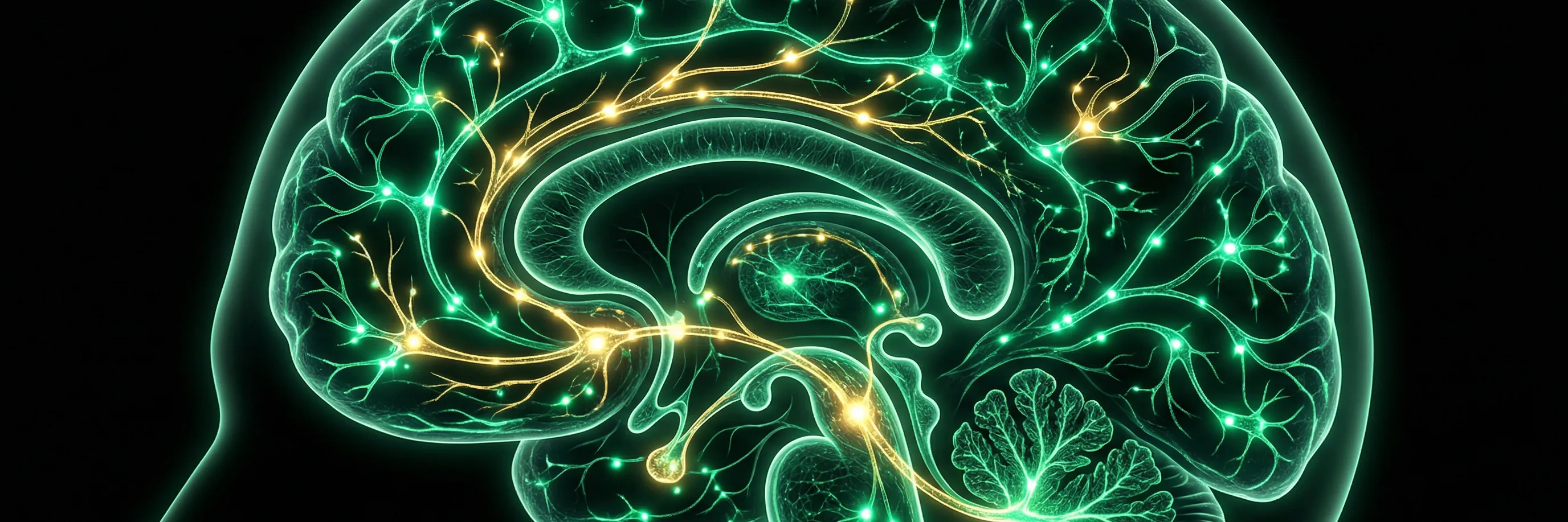
At hour 287 of quitting vaping (day 12), nicotine has been completely cleared from your body. FEV1 Measurably Improved: Forced expiratory volume in one second (FEV1) has measurably increased. Each exhale carries more air and less burden — the lungs are reclaiming capacity that vaping had stolen. This is a normal and documented stage of vaping withdrawal.
WHAT'S HAPPENING IN YOUR BODY
Forced expiratory volume in one second (FEV1) has measurably increased. Spirometric testing would document improved airflow as bronchial inflammation subsides and airway remodeling begins. For vapers specifically, the nicotine salt formulations used in modern devices deliver nicotine more efficiently than freebase nicotine in cigarettes, which means your receptors were exposed to higher peak concentrations.
At this moment — "FEV1 Measurably Improved" — your body is completely nicotine-free and focused on neurological and tissue recovery.
Day 12: inflammatory markers have decreased across the board. The chronic low-grade inflammation that vaping maintained throughout your respiratory tract, oral cavity, and cardiovascular system is resolving. Your immune surveillance is functioning normally. Cellular repair processes that were diverted to fighting active vaping damage are now available for general maintenance and health.
HOW YOU'RE FEELING
Each exhale carries more air and less burden — the lungs are reclaiming capacity that vaping had stolen.
Evening is psychologically complex for former vapers. This was often the heaviest usage period — unwinding after the day, watching TV, scrolling social media, all with a vape in hand. The association between relaxation and vaping is particularly strong. Try to change your evening environment: sit in a different spot, watch something new, keep your hands busy with a hobby.
Your brain is approaching the finish line of the sprint. The neural pathways associated with vaping — the hand-to-mouth circuit, the throat-hit anticipation, the flavor association network — are weakening through disuse. New pathways are forming around your non-vaping coping mechanisms. You may notice that when stress hits, your first thought is no longer "where's my vape?" but something else entirely — a walk, a glass of water, a deep breath. That's the rewiring made visible. Protect this progress fiercely.
WHAT TO DO RIGHT NOW
Blow out a candle from increasing distances over the coming weeks — it is a simple way to track your improving expiratory force.
Future-proofing for vapers: The highest-risk relapse scenarios in the next 30 days are (1) alcohol consumption, which lowers inhibition and often occurs in social settings where others vape, (2) extreme stress events that trigger the old "reach for the vape" circuit, and (3) the "just one puff won't hurt" thought, which is the single most dangerous idea in recovery. One puff re-sensitizes receptors within minutes.
Set your next milestone at 30 days. Then 90. At 90 days, relapse risk drops below 5% for cold turkey quitters. You're building something permanent.
WHAT TO EXPECT THIS HOUR
As the evening progresses on day 12 of quitting vaping, withdrawal symptoms are relatively manageable. Your body is completely free of nicotine — all remaining symptoms are neurological adaptation, not chemical withdrawal. You've reached the New Baseline phase (Days 11-14). Your brain and body are establishing their new normal without vaping. The physiological addiction is broken — what remains is building the habits and identity of your non-vaping life.
BODY CHANGES
Nicotine level: 0% — completely cleared from your bloodstream. Your body achieved full nicotine clearance at hour 72.
Your lung tissue is recovering from chronic exposure to propylene glycol and vegetable glycerin aerosol. The inflammatory response triggered by ultrafine particle deposition is subsiding, and your airways are returning to normal function.
COMMON SYMPTOMS TODAY
FREQUENTLY ASKED QUESTIONS
Is it normal to feel this way 287 hours after quitting vaping?
Yes. At hour 287 (day 12), your body is completely free of nicotine and undergoing neurological adaptation. The symptoms you're experiencing — which are low at this stage — are a documented part of nicotine withdrawal and they will pass.
Am I safe from relapse after 12 days without vaping?
After 12 days, your physiological addiction is largely broken — brain receptor density is approaching non-vaper baseline. But relapse risk doesn't drop to zero. The highest-risk moments in the next month are alcohol consumption, extreme stress, and nostalgia for the ritual. Your defense: identity commitment. You're not "a person who quit vaping" — you're "a person who doesn't vape."
Get hour-by-hour guidance, push notification briefings, and audio coaching delivered to your phone.