HOUR 230 OF 336Microvascular Density Improving
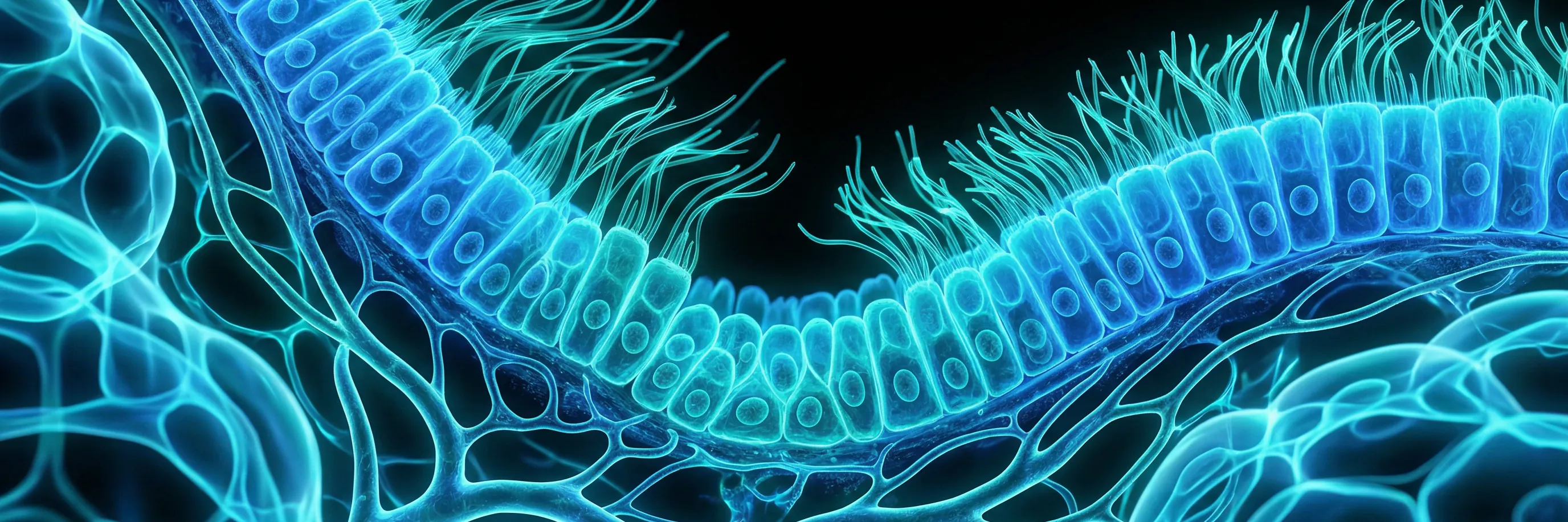
At hour 230 of quitting vaping (day 10), nicotine has been completely cleared from your body. Microvascular Density Improving: Capillary density in peripheral tissues is beginning to increase through angiogenesis stimulated by improved VEGF signaling. Physical stamina during afternoon activities is noticeably improved compared to the first week of cessation. This is a normal and documented stage of vaping withdrawal.
WHAT'S HAPPENING IN YOUR BODY
Capillary density in peripheral tissues is beginning to increase through angiogenesis stimulated by improved VEGF signaling. Enhanced microvasculature improves nutrient delivery and waste removal at the tissue level. For vapers specifically, the nicotine salt formulations used in modern devices deliver nicotine more efficiently than freebase nicotine in cigarettes, which means your receptors were exposed to higher peak concentrations.
At this moment — "Microvascular Density Improving" — your body is completely nicotine-free and focused on neurological and tissue recovery.
Day 10: most former vapers report a genuine shift around this point — the transition from feeling bad to feeling better. Cravings are down to 1-2 per day and briefer. Sleep quality is improving as your brain's circadian regulation stabilizes without nicotine interference. Your skin may be noticeably healthier as improved circulation delivers more oxygen and nutrients to dermal tissue.
HOW YOU'RE FEELING
Physical stamina during afternoon activities is noticeably improved compared to the first week of cessation.
Afternoon tends to bring a different kind of craving for former vapers — less the sharp urgency of morning withdrawal, more a dull, persistent awareness that something is missing. This is the habitual pull rather than the chemical one. Your brain is pattern-matching against thousands of afternoons where vaping was the background activity. Stay active; idle time is the enemy right now.
The identity shift is particularly important for former vapers. Vaping culture has a strong social identity component — device knowledge, flavor preferences, cloud competitions, online communities. Leaving vaping means leaving a social ecosystem, not just a nicotine delivery method. This is where many vapers struggle: the loss isn't just chemical, it's cultural. But it's also where freedom lives. You're building an identity that isn't dependent on a battery-powered device and a corporation's product cycle.
WHAT TO DO RIGHT NOW
Take a brisk 15-minute afternoon walk and observe your improved endurance and reduced breathlessness.
You're past the acute phase. Tactical focus now shifts from minute-by-minute survival to building sustainable patterns. Start exercising if you haven't already — even 20 minutes of moderate cardio accelerates dopamine receptor recovery and provides a natural mood boost that partially replaces what vaping was doing artificially.
Begin building your "non-vaper" identity in small ways. Notice flavors in food you couldn't taste before. Appreciate that your clothes don't carry a faint sweetness from vape aerosol. Count the inhalations of aerosol you did not take this week.
WHAT TO EXPECT THIS HOUR
This afternoon on day 10 of quitting vaping, withdrawal symptoms are relatively manageable. Your body is completely free of nicotine — all remaining symptoms are neurological adaptation, not chemical withdrawal. The Turning Point phase (Days 8-10) is when many former vapers notice the shift from suffering to recovery. Physical symptoms are easing, and your body's repair mechanisms are in full swing.
BODY CHANGES
Nicotine level: 0% — completely cleared from your bloodstream. Your body achieved full nicotine clearance at hour 72.
Nicotinic acetylcholine receptor downregulation is actively occurring in your brain. The receptor density built up from high-concentration nicotine salt exposure is being pruned back toward non-vaper baseline.
Your lung tissue is recovering from chronic exposure to propylene glycol and vegetable glycerin aerosol. The inflammatory response triggered by ultrafine particle deposition is subsiding, and your airways are returning to normal function.
COMMON SYMPTOMS TODAY
FREQUENTLY ASKED QUESTIONS
Is it normal to feel this way 230 hours after quitting vaping?
Yes. At hour 230 (day 10), your body is completely free of nicotine and undergoing neurological adaptation. The symptoms you're experiencing — which are low at this stage — are a documented part of nicotine withdrawal and they will pass.
When does it start to feel better after quitting vaping?
Most people who quit vaping cold turkey report a noticeable turn between days 8-10. You're at day 10 — right in that window. The worst is behind you. Cravings become less frequent (typically 1-2 per day instead of dozens), sleep improves, and many people report their first day of feeling genuinely good. The timeline varies by individual, but the trend is unmistakable by now.
Get hour-by-hour guidance, push notification briefings, and audio coaching delivered to your phone.