HOUR 16 OF 336Sleep Architecture Disruption Begins
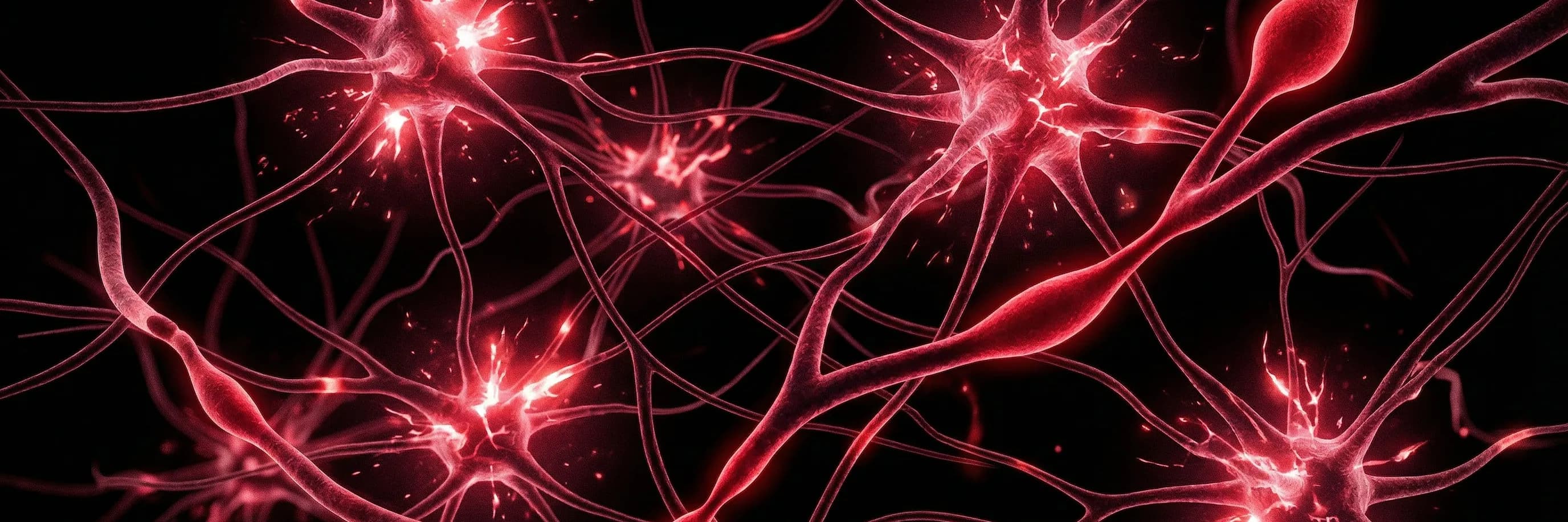
At hour 16 of quitting vaping (day 1), your blood nicotine level has dropped to 0.4% of what it was when you quit. Sleep Architecture Disruption Begins: If approaching a sleep cycle, REM sleep will be disrupted. Nicotine withdrawal alters cholinergic REM-triggering mechanisms in the pontine tegmentum, leading to fragmented sleep and increased sleep latency. Restlessness intensifies in the evening hours as circadian cortisol rhythms interact with withdrawal symptoms. This is a normal and documented stage of vaping withdrawal.
WHAT'S HAPPENING IN YOUR BODY
If approaching a sleep cycle, REM sleep will be disrupted. Nicotine withdrawal alters cholinergic REM-triggering mechanisms in the pontine tegmentum, leading to fragmented sleep and increased sleep latency.
At this moment — "Sleep Architecture Disruption Begins" — your body is still processing nicotine (0.4% remaining).
Nicotine is at 0.4% — virtually undetectable. Your body has nearly completed the pharmacokinetic phase. The acute chemical withdrawal is ending, but the neurological withdrawal is building. Your brain's receptor density, elevated by months or years of constant vaping, is about to enter the most intense phase of downregulation. This is the bridge between "clearing the drug" and "rewiring the brain."
If it's getting late in your day, you need to know this: tonight's sleep is going to be rough. Nicotine withdrawal disrupts your brain's sleep architecture. The mechanisms that trigger and maintain REM sleep depend on cholinergic systems that nicotine has been hijacking. Without it, your brain has to relearn how to cycle through sleep stages on its own.
HOW YOU'RE FEELING
Restlessness intensifies in the evening hours as circadian cortisol rhythms interact with withdrawal symptoms.
Afternoon tends to bring a different kind of craving for former vapers — less the sharp urgency of morning withdrawal, more a dull, persistent awareness that something is missing. This is the habitual pull rather than the chemical one. Your brain is pattern-matching against thousands of afternoons where vaping was the background activity. Stay active; idle time is the enemy right now.
Because vapes have no natural stopping point (no cigarette that burns down), many vapers take hundreds of puffs per day without realizing it. The constant availability of your vape — no need to go outside, no smell, no social stigma — meant it was always within arm's reach. Many vapers hit their device 200-400 times per day without counting. Your brain registered each puff as a micro-reward, creating an extremely dense habit loop. Right now, your hand may be reaching for a device that isn't there. Your brain is scanning for the familiar weight in your pocket, the draw against your lips, the throat hit. These phantom habits are real neurological events — motor cortex patterns firing without a target.
Many vapers started in their teens or twenties, meaning nicotine has been part of your brain's development during a critical period. The good news: the same neuroplasticity that made you dependent is now working in your favor. Every hour without a puff weakens the vaping circuit and strengthens the non-vaping one.
WHAT TO DO RIGHT NOW
Take 200 mg of magnesium glycinate 30 minutes before bed to support GABA receptor function and improve sleep onset.
If the craving hits while seeing friends who vape, use the 4-7-8 breathing technique: inhale 4 seconds, hold 7, exhale 8. This activates your vagus nerve and parasympathetic nervous system. The craving will peak and pass within 90 seconds — time it.
Cold exposure technique: Run cold water over your wrists for 30 seconds or hold an ice cube. The sensory shock interrupts the craving neural pathway and redirects your attention. It sounds simple because it is — cravings are short-circuit events, and any strong competing stimulus can break the loop.
WHAT TO EXPECT THIS HOUR
This afternoon on day 1 of quitting vaping, withdrawal symptoms are intense — this is one of the harder hours. Your body still has 0.4% of nicotine to clear. During the Acute Withdrawal phase (Days 1-3), your body is focused on clearing nicotine and its metabolites. The high-concentration nicotine salts from vaping are being broken down and eliminated. Each hour brings measurable progress.
BODY CHANGES
Nicotine level: 0.4% remaining. Your liver's CYP2A6 enzymes are actively converting nicotine into cotinine for renal clearance.
Vaping produces far less carbon monoxide than combusted tobacco, so the recovery here is about particle load: the ultrafine particles from aerosol inhalation are being cleared by your lungs' natural defense mechanisms.
COMMON SYMPTOMS TODAY
FREQUENTLY ASKED QUESTIONS
Is it normal to feel this way 16 hours after quitting vaping?
Yes. At hour 16 (day 1), your body is still clearing nicotine (0% remaining). The symptoms you're experiencing — which are high at this stage — are a documented part of nicotine withdrawal and they will pass.
How much nicotine is left in my body after 16 hours?
After 16 hours without vaping, approximately 0.4% of nicotine remains in your bloodstream. Most nicotine has been cleared. Your body is in the final stages of pharmacokinetic withdrawal.
When will vaping cravings peak?
Cravings typically peak between hours 24-72 after quitting vaping. Because vapes deliver nicotine salts at high concentrations, the initial drop can feel more abrupt than cigarette withdrawal. You're currently at hour 16, building toward peak intensity. The critical thing to know: every craving you survive without vaping weakens the next one.
Get hour-by-hour guidance, push notification briefings, and audio coaching delivered to your phone.

