HOUR 9 OF 336Blood Becoming Less Sticky
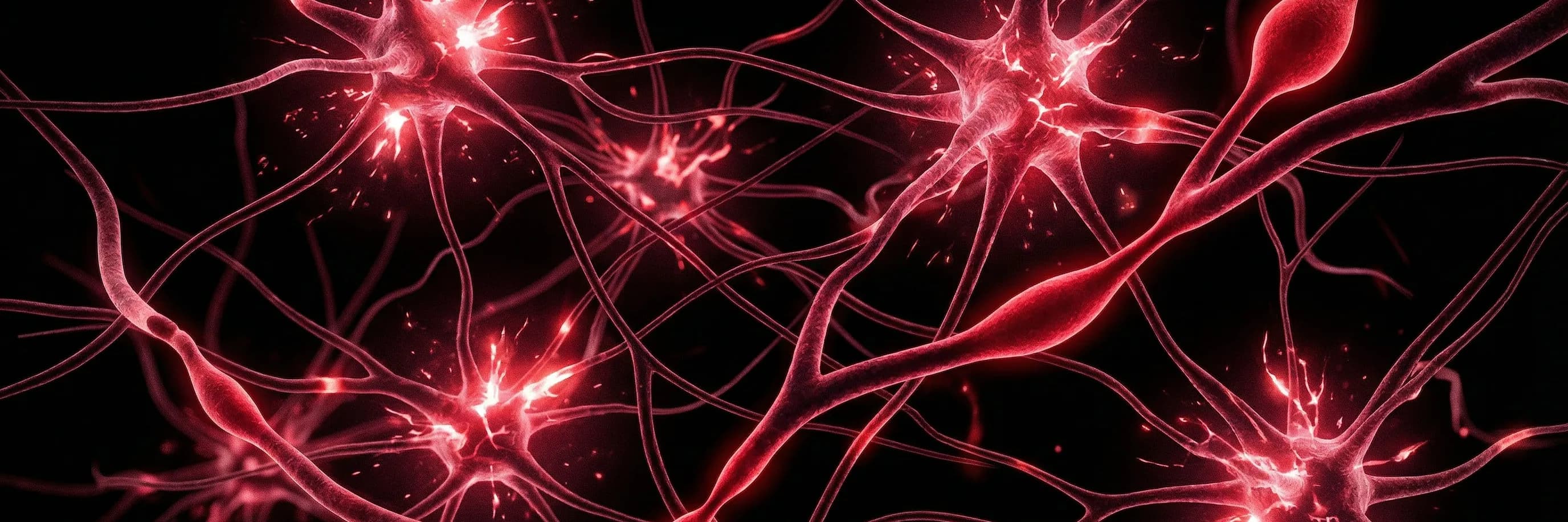
At hour 9 of quitting smoking (day 1), your blood nicotine level has dropped to 4.4% of what it was when you quit. With nicotine now below 5% of peak, platelet adhesiveness is decreasing and the clot-prone state that daily smoking maintained is starting to reverse. Emotional swings show up as dopamine and serotonin pathways adjust to running without nicotine. You may also find you can pull a slightly deeper breath than you could yesterday. This is a normal and documented stage of smoking withdrawal.
WHAT'S HAPPENING IN YOUR BODY
With nicotine levels now below 5% of peak, platelet adhesiveness begins decreasing. The prothrombotic state induced by chronic smoking starts to reverse, reducing acute clot formation risk. Cigarette smoke contains over 7,000 chemicals — the nicotine is what hooks you, but the combustion byproducts (tar, carbon monoxide, formaldehyde, benzene) are what cause the most physical damage. As nicotine clears, so does the constant exposure to these toxins.
At this moment — "Platelet Aggregation Reducing" — your body is still processing nicotine (4.4% remaining).
Only 4.4% of nicotine remains in your bloodstream. Cotinine, the primary metabolite, is still being cleared through your kidneys — it has a longer half-life (16 hours) than nicotine itself. Your cardiovascular system has already made measurable improvements: heart rate is trending down, blood pressure is normalizing, and the chronic inflammatory state that cigarette smoke maintained is beginning to subside.
Something is happening in your lungs right now. The tiny muscles around your airways — bronchial tubes — are starting to relax. For as long as you've been using nicotine, those muscles have been in a constant low-level spasm from chemical irritation. You might notice you can take a slightly deeper breath than usual.
HOW YOU'RE FEELING
Emotional lability emerges as serotonergic and dopaminergic pathways adjust to absent nicotine stimulation.
Morning hours carry heavy trigger load for smokers — the commute, the work break, the mid-morning coffee. Each of these was a smoking ritual. Today, each one you pass through without a cigarette weakens the association. It doesn't feel like progress, but it is.
Smoking has built-in rituals — the pack, the lighter, the first cigarette with morning coffee, the post-meal smoke — each one a trigger wired into your daily routine. Decades of smoking research show that the ritual elements — the pack in your pocket, the lighter in your hand, the first inhale of the morning — create psychological dependency that runs parallel to and independent of nicotine addiction. You're fighting both simultaneously right now, and that's what makes the first 72 hours so intense.
If you've smoked for years or decades, your body has accumulated damage that begins reversing the moment you stop. Every hour without a cigarette is measurable progress. Every hour you don't light up, your brain is recording a new data point: "I survived this trigger without a cigarette." Over time, these data points accumulate into a new default. But right now, the old default is loud.
WHAT TO DO RIGHT NOW
Splash cold water on your face and wrists to trigger the mammalian dive reflex, which lowers heart rate and calms agitation.
Break the ritual chain: If your trigger right now is driving, especially longer commutes where smoking was routine, have a replacement behavior ready before the moment arrives. Switch coffee to tea, sit in a different room, take your break somewhere new. Waiting until the craving hits to decide what to do is too late.
Exercise is the single best craving intervention. A brisk walk of about ten minutes lowers craving intensity in trials with smokers, during the walk and for some minutes afterwards. It is one of the best-tested immediate tactics. It works because exercise triggers endorphin release that partially compensates for the dopamine deficit left by nicotine withdrawal.
WHAT TO EXPECT THIS HOUR
During this morning stretch on day 1 of quitting smoking, withdrawal is moderate — noticeable but handleable. 4.4% of nicotine remains. During the Acute Withdrawal phase (Days 1-3) your blood is getting less clot-prone and your airways are no longer being hit with hot smoke, so you may pull a deeper breath than you could yesterday. Mood will swing. Let it, and don't reach for a cigarette to flatten it.
BODY CHANGES
Nicotine level: 4.4% remaining. Your liver's CYP2A6 enzymes are actively converting nicotine into cotinine for renal clearance.
Carbon monoxide is clearing from your blood. Smokers' carboxyhemoglobin levels drop from 3-15% to under 1% within the first 24 hours, dramatically improving oxygen delivery to every cell.
COMMON SYMPTOMS TODAY
FREQUENTLY ASKED QUESTIONS
Is it normal to feel this way 9 hours after quitting smoking?
Yes. At hour 9 (day 1), 4% of nicotine remains and your mood is swinging as dopamine and serotonin pathways adjust. Medium intensity here is documented and temporary.
Is my heart attack risk really changing this fast?
Platelet stickiness — one of the ways smoking raised clot risk — begins reducing once nicotine drops below about 5% of peak, which is where you are now. Endothelial function shows measurable improvement within 24 hours of your last cigarette.
Why can I breathe a little deeper already?
Your airways are no longer being irritated by hot smoke and particulates, so the smooth muscle around them is relaxing. Combined with carbon monoxide leaving your blood, the same breath now delivers more usable oxygen than it did yesterday.
Get hour-by-hour guidance, push notification briefings, and audio coaching delivered to your phone.

