HOUR 10 OF 336Airways Opening After Smoke
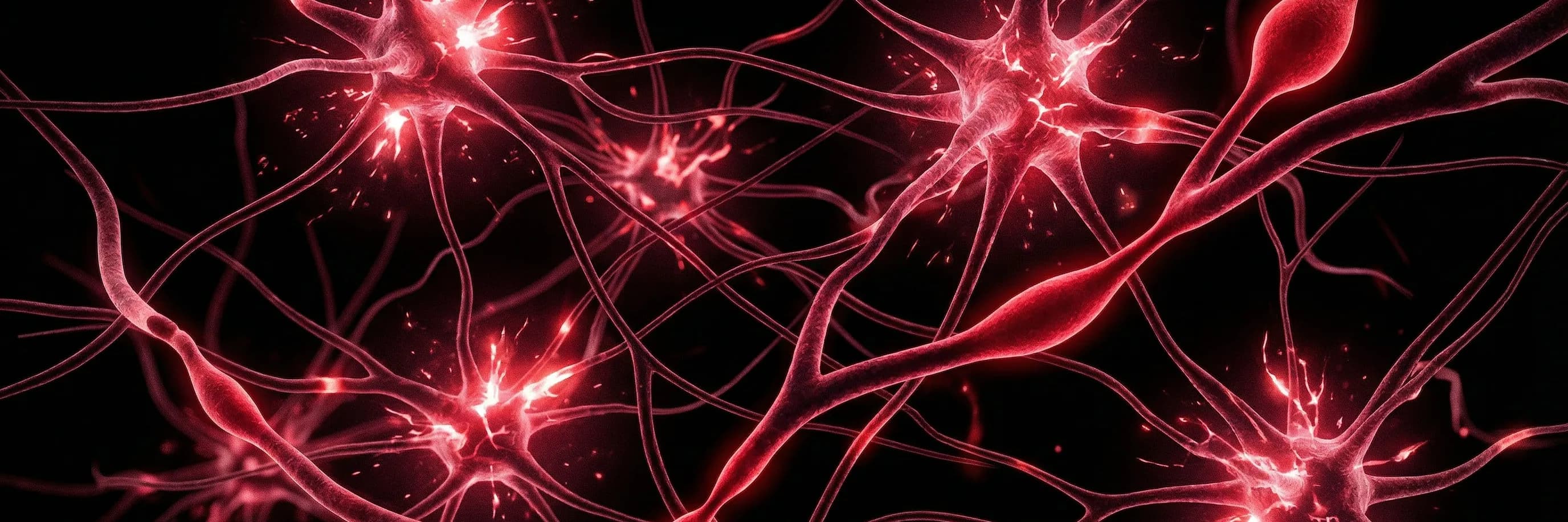
At hour 10 of quitting smoking (day 1), your blood nicotine level has dropped to 3.1% of what it was when you quit. The bronchoconstriction driven by cigarette smoke particulates is easing, and the muscle wrapped around your airways is letting go after years of low-grade spasm from hot smoke. Mental fog is settling in as acetylcholine signaling adjusts without nicotine. A cough may start over the coming days as your lungs begin moving what the smoke left behind. This is a normal and documented stage of smoking withdrawal.
WHAT'S HAPPENING IN YOUR BODY
The acute bronchoconstrictive effects of cigarette smoke particulates are diminishing. Airway smooth muscle begins to relax, and forced expiratory volume may begin improving within the first 12 hours. Cigarette smoke contains over 7,000 chemicals — the nicotine is what hooks you, but the combustion byproducts (tar, carbon monoxide, formaldehyde, benzene) are what cause the most physical damage. As nicotine clears, so does the constant exposure to these toxins.
At this moment — "Bronchial Smooth Muscle Relaxing" — your body is still processing nicotine (3.1% remaining).
Only 3.1% of nicotine remains in your bloodstream. Cotinine, the primary metabolite, is still being cleared through your kidneys — it has a longer half-life (16 hours) than nicotine itself. Your cardiovascular system has already made measurable improvements: heart rate is trending down, blood pressure is normalizing, and the chronic inflammatory state that cigarette smoke maintained is beginning to subside.
Your airways are opening up. The smooth muscle wrapped around your bronchial tubes has been in a state of low-grade constriction from chronic exposure to nicotine and the chemicals that come with it. That tension is releasing. Your forced expiratory volume — the amount of air you can push out in one second — is already starting to improve.
HOW YOU'RE FEELING
Mental fog is settling in as acetylcholine signaling in the hippocampus becomes dysregulated without nicotine.
Morning hours carry heavy trigger load for smokers — the commute, the work break, the mid-morning coffee. Each of these was a smoking ritual. Today, each one you pass through without a cigarette weakens the association. It doesn't feel like progress, but it is.
Smoking has built-in rituals — the pack, the lighter, the first cigarette with morning coffee, the post-meal smoke — each one a trigger wired into your daily routine. Decades of smoking research show that the ritual elements — the pack in your pocket, the lighter in your hand, the first inhale of the morning — create psychological dependency that runs parallel to and independent of nicotine addiction. You're fighting both simultaneously right now, and that's what makes the first 72 hours so intense.
If you've smoked for years or decades, your body has accumulated damage that begins reversing the moment you stop. Every hour without a cigarette is measurable progress. Every hour you don't light up, your brain is recording a new data point: "I survived this trigger without a cigarette." Over time, these data points accumulate into a new default. But right now, the old default is loud.
WHAT TO DO RIGHT NOW
Inhale deeply through the nose for 5 seconds and exhale through pursed lips for 10 seconds, repeating 5 times to improve bronchial airflow.
Throw out all cigarettes, lighters, ashtrays, and matches. Clean your car and home to remove the smell — lingering smoke odor is a powerful relapse trigger. The smell of stale smoke in your car, your jacket, or your living room is a trigger. Wash what you can, air out what you can't. A clean-smelling environment signals "new chapter" to your brain.
Oral substitutes: raw carrots, celery sticks, sunflower seeds, or cinnamon toothpicks. The hand-to-mouth motion and oral stimulation address the ritual component of smoking, which operates independently of nicotine. Your mouth is looking for something to do — give it something healthy.
WHAT TO EXPECT THIS HOUR
During this morning stretch on day 1 of quitting smoking, withdrawal is moderate — noticeable but handleable. 3.1% of nicotine remains. In the Acute Withdrawal phase (Days 1-3) your airways are relaxing now that hot smoke isn't hitting them every hour, and a cough may start as your lungs begin clearing. Mental fog is normal here. Keep tasks small and concrete for the rest of the morning.
BODY CHANGES
Nicotine level: 3.1% remaining. Your liver's CYP2A6 enzymes are actively converting nicotine into cotinine for renal clearance.
Carbon monoxide is clearing from your blood. Smokers' carboxyhemoglobin levels drop from 3-15% to under 1% within the first 24 hours, dramatically improving oxygen delivery to every cell.
COMMON SYMPTOMS TODAY
FREQUENTLY ASKED QUESTIONS
Is it normal to feel this way 10 hours after quitting smoking?
Yes. At hour 10 (day 1), 3% of nicotine remains and mental fog is a documented feature of this stage. Medium intensity — it lifts as your receptors recalibrate over the sprint.
Why am I coughing more after quitting smoking?
A cough in the first days is your lungs restarting, not getting worse. Smoke paralyzed the cilia that sweep mucus and debris out of your airways; as they recover, that backlog finally moves. It usually settles within weeks.
How long until my lungs feel clear?
Airway smooth muscle relaxes within the first day and forced expiratory volume can begin improving inside 12 hours. Tar deposits take weeks to clear, but the active damage stopped the moment you put out the last cigarette.
Get hour-by-hour guidance, push notification briefings, and audio coaching delivered to your phone.