HOUR 6 OF 336Cardiac Workload Easing
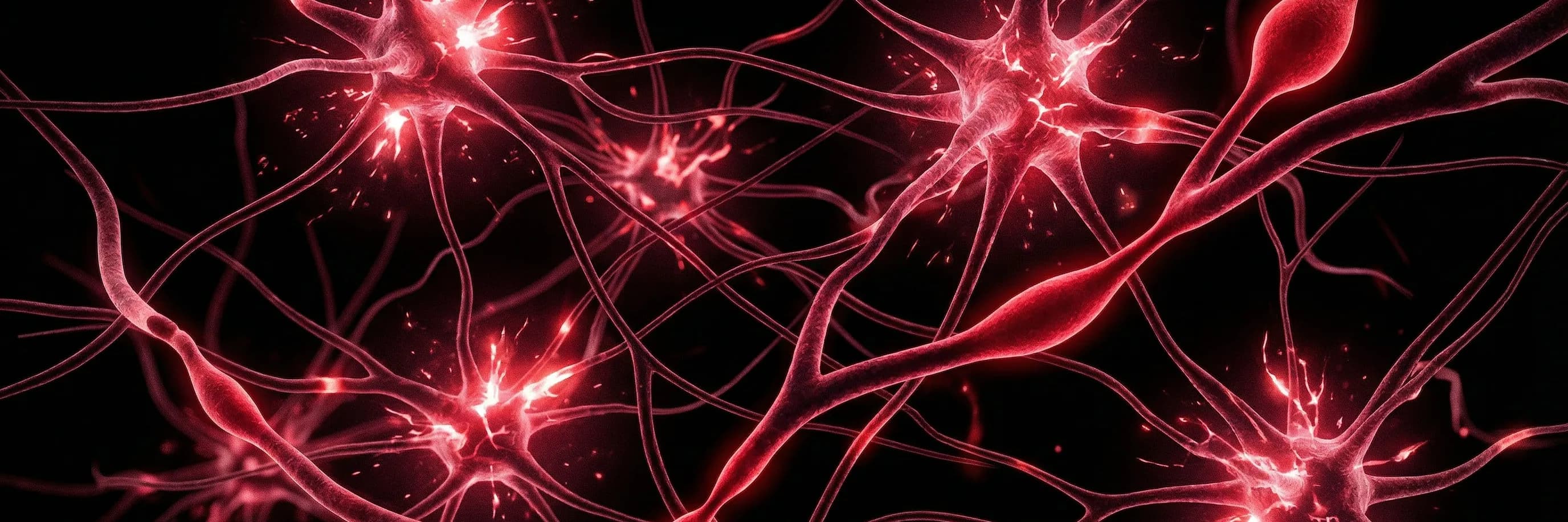
At hour 6 of quitting smoking (day 1), your blood nicotine level has dropped to 12.5% of what it was when you quit. Your heart rate is dropping 5-10 beats per minute from the elevated baseline that regular smoking maintained, and with carbon monoxide coming off your hemoglobin, each beat now delivers more oxygen. Anxiety is measurably rising as the receptor stimulation you were topping up hourly fades. Check your pulse against yesterday's — the number moved. This is a normal and documented stage of smoking withdrawal.
WHAT'S HAPPENING IN YOUR BODY
Heart rate drops 5-10 beats per minute from the smoker's elevated baseline as nicotine-mediated sympathetic stimulation of the sinoatrial node diminishes. Cardiac workload begins to decrease. Cigarette smoke contains over 7,000 chemicals — the nicotine is what hooks you, but the combustion byproducts (tar, carbon monoxide, formaldehyde, benzene) are what cause the most physical damage. As nicotine clears, so does the constant exposure to these toxins.
At this moment — "Resting Heart Rate Declining" — your body is still processing nicotine (12.5% remaining).
At 12.5% nicotine remaining, you've cleared the bulk of what your last cigarettes deposited. Carbon monoxide is essentially gone from your blood — your hemoglobin is fully available for oxygen transport for the first time in however long you've been smoking. The 7,000+ chemicals in cigarette smoke are no longer being inhaled. Your lungs' first line of defense — the mucociliary escalator — is receiving the signal to begin reactivating.
Here's something you can actually measure: your resting heart rate has dropped by five to ten beats per minute since you quit. Your heart is already working less hard. If you have a watch or a phone that tracks heart rate — check it. That number is real evidence that your body is changing.
HOW YOU'RE FEELING
Anxiety levels are measurably rising as GABAergic modulation from nicotine receptor activation fades.
Early morning is a high-risk window for former smokers. The "first cigarette of the day" was often the most psychologically reinforced of all daily smokes — paired with waking up, coffee, and the transition from sleep to alertness. Your brain is looking for that signal right now. Replace it with something physical: stretch, splash cold water on your face, step outside for fresh air.
Smoking has built-in rituals — the pack, the lighter, the first cigarette with morning coffee, the post-meal smoke — each one a trigger wired into your daily routine. Decades of smoking research show that the ritual elements — the pack in your pocket, the lighter in your hand, the first inhale of the morning — create psychological dependency that runs parallel to and independent of nicotine addiction. You're fighting both simultaneously right now, and that's what makes the first 72 hours so intense.
If you've smoked for years or decades, your body has accumulated damage that begins reversing the moment you stop. Every hour without a cigarette is measurable progress. Every hour you don't light up, your brain is recording a new data point: "I survived this trigger without a cigarette." Over time, these data points accumulate into a new default. But right now, the old default is loud.
WHAT TO DO RIGHT NOW
Squeeze a stress ball firmly for 30 seconds per hand to redirect somatic tension and reduce cortisol.
Write the craving down: trigger, intensity (1-10), time, location. This practice — called urge surfing in clinical literature — transforms the overwhelming feeling into observable data. Most people who track cravings discover they're shorter and less frequent than they feel in the moment.
Break the ritual chain: If your trigger right now is finishing a meal and reaching for the pack that isn't there, have a replacement behavior ready before the moment arrives. Switch coffee to tea, sit in a different room, take your break somewhere new. Waiting until the craving hits to decide what to do is too late.
WHAT TO EXPECT THIS HOUR
In these early morning hours on day 1 of quitting smoking, withdrawal is moderate — noticeable but handleable. 12.5% of nicotine remains. During the Acute Withdrawal phase (Days 1-3) your heart rate is falling from its smoking baseline while carbon monoxide keeps unloading from your blood. Anxiety climbs in this window. The car and the coffee are the cues to plan around today. Each hour brings measurable progress.
BODY CHANGES
Nicotine level: 12.5% remaining. Your liver's CYP2A6 enzymes are actively converting nicotine into cotinine for renal clearance.
Carbon monoxide is clearing from your blood. Smokers' carboxyhemoglobin levels drop from 3-15% to under 1% within the first 24 hours, dramatically improving oxygen delivery to every cell.
COMMON SYMPTOMS TODAY
FREQUENTLY ASKED QUESTIONS
Is it normal to feel this way 6 hours after quitting smoking?
Yes. At hour 6 (day 1), 13% of nicotine remains and your heart rate has come down from its smoking baseline. Rising anxiety at this stage is medium in intensity and a documented part of withdrawal.
Why is my heart rate lower already?
Nicotine drove your sinoatrial node all day, every day. Heart rate starts declining within the first hour after your last cigarette and is typically 5-10 beats per minute lower by now. With carbon monoxide clearing at the same time, each beat also carries more oxygen.
What about the cigarette I always smoke in the car?
Driving is one of the most stubborn cues because it's a private, repeated setting with a fixed start signal. Clean the car, take the lighter out, and keep something to do with your hands in the cupholder for the first week.
Get hour-by-hour guidance, push notification briefings, and audio coaching delivered to your phone.