HOUR 44 OF 336Skin Repair Speeding Up
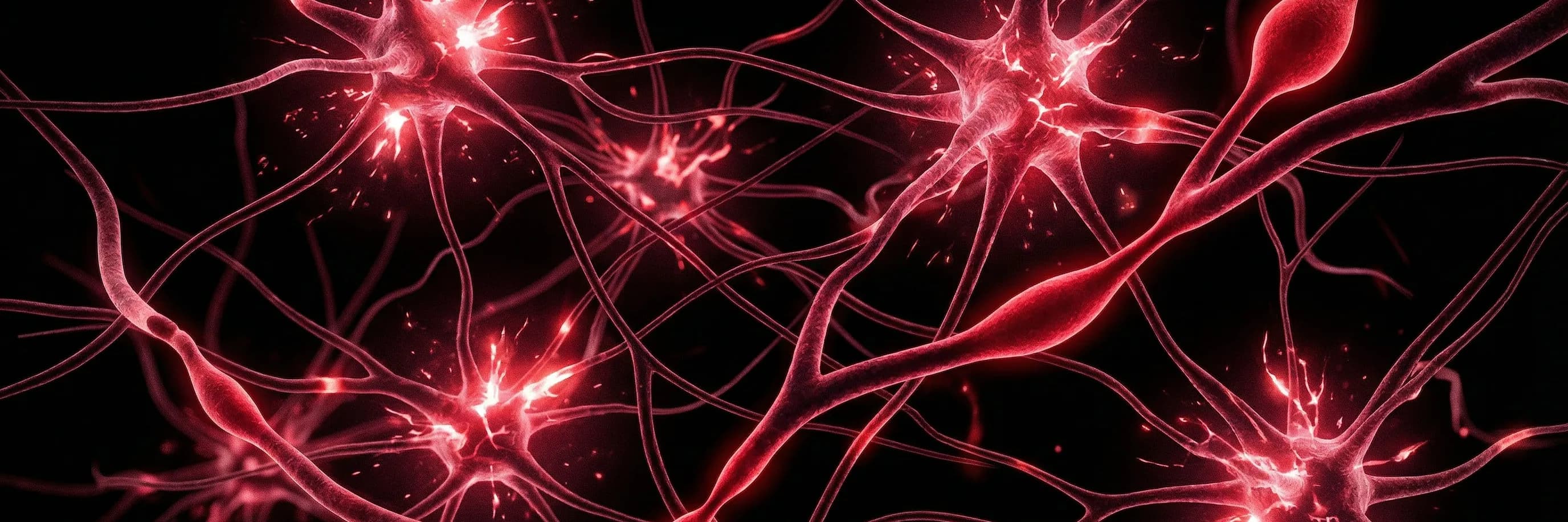
At hour 44 of quitting smoking (day 2), nicotine has been completely cleared from your body. Fibroblast proliferation and collagen deposition, suppressed by nicotine's vasoconstriction of dermal microcirculation, are recovering; wound healing measurably improves within 48 hours of the last cigarette. A second night of broken sleep and vivid dreams is coming, and dread of it is its own symptom. Do not treat poor sleep as a reason to smoke.
WHAT'S HAPPENING IN YOUR BODY
Fibroblast proliferation and collagen deposition rates, suppressed by nicotine's vasoconstrictive effects on dermal microcirculation, are recovering. Surgical wound healing studies show measurable improvement within 48 hours of cessation. Cigarette smoke contains over 7,000 chemicals — the nicotine is what hooks you, but the combustion byproducts (tar, carbon monoxide, formaldehyde, benzene) are what cause the most physical damage. As nicotine clears, so does the constant exposure to these toxins.
At this moment — "Wound Healing Capacity Improving" — your body is completely nicotine-free and focused on neurological and tissue recovery.
Your bloodstream is now nicotine-free — a state it hasn't been in since you became a regular smoker. For someone who smoked a pack a day, that's roughly 200 doses of nicotine per day, 7,300 per year, each one reinforcing the neural pathways of addiction. All of that input has stopped. Your body's repair mechanisms, which were constantly fighting new damage while you smoked, can now focus entirely on healing. The 7,000+ chemicals — carcinogens like benzene, formaldehyde, and acrolein — are no longer being delivered.
Your skin is already healing differently. Fibroblasts — the cells that repair tissue and build collagen — were suppressed by nicotine's constriction of your dermal blood vessels. That constriction is lifting. Blood flow to your skin is increasing, and your body's ability to repair itself is measurably improved compared to forty-four hours ago.
HOW YOU'RE FEELING
The second night of withdrawal brings anticipatory dread of another night of disrupted sleep and vivid dreams.
Evening carries powerful associations for smokers — the wind-down smoke, the after-dinner cigarette, the nightcap on the porch. These are comfort rituals, not just nicotine delivery. Replacing them requires not just avoiding the cigarette but actively creating a new wind-down routine. A warm drink, light stretching, or reading can signal "day is ending" to your brain without the smoke.
Smoking has built-in rituals — the pack, the lighter, the first cigarette with morning coffee, the post-meal smoke — each one a trigger wired into your daily routine. Decades of smoking research show that the ritual elements — the pack in your pocket, the lighter in your hand, the first inhale of the morning — create psychological dependency that runs parallel to and independent of nicotine addiction. You're fighting both simultaneously right now, and that's what makes the first 72 hours so intense.
If you've smoked for years or decades, your body has accumulated damage that begins reversing the moment you stop. Every hour without a cigarette is measurable progress. Every hour you don't light up, your brain is recording a new data point: "I survived this trigger without a cigarette." Over time, these data points accumulate into a new default. But right now, the old default is loud.
WHAT TO DO RIGHT NOW
Avoid all caffeine after 2 PM and dim household lights one hour before bed to support melatonin production and sleep onset.
Exercise is the single best craving intervention. A brisk walk of about ten minutes lowers craving intensity in trials with smokers, during the walk and for some minutes afterwards. It is one of the best-tested immediate tactics. It works because exercise triggers endorphin release that partially compensates for the dopamine deficit left by nicotine withdrawal.
Call your support person. If you told someone you were quitting, now is when that investment pays off. Even a 2-minute conversation creates enough cognitive redirection to outlast the craving, which peaks and fades in 60-90 seconds.
WHAT TO EXPECT THIS HOUR
As the evening progresses on day 2 of quitting smoking, withdrawal symptoms are at peak intensity — this is as hard as it gets. Your body is completely free of nicotine, so the remaining symptoms are neurological adaptation. Tonight will probably be restless, with intense dreams, sometimes dreams of smoking; that is normal and temporary. Skip the last-cigarette-of-the-night substitute rituals and go to bed slightly earlier than usual. Each hour brings measurable progress.
BODY CHANGES
Nicotine level: 0% — completely cleared from your bloodstream, with full clearance at hour 72. Dermal microcirculation is reopening as nicotine's vasoconstriction lifts, and fibroblast proliferation and collagen deposition are recovering — measurable in wound healing within 48 hours of the last cigarette.
COMMON SYMPTOMS TODAY
FREQUENTLY ASKED QUESTIONS
Is it normal to feel this way 44 hours after quitting smoking?
Yes. At hour 44 (day 2), your body is completely free of nicotine and undergoing neurological adaptation, and symptoms are at their peak intensity right now. Disrupted sleep and vivid dreams in the first nights are documented features of nicotine withdrawal. Sleep architecture settles over the following week.
How much nicotine is left in my body after 44 hours?
After 44 hours without smoking, approximately 0.0% of nicotine remains in your bloodstream, and it is effectively zero by hour 72. Your body is 100% nicotine-free. All remaining symptoms are neurological, not chemical.
Does quitting cigarettes change my skin this quickly?
The mechanism starts immediately. Nicotine constricted the microcirculation feeding your skin, which throttled the fibroblasts that build collagen and repair tissue. With that constriction lifting, blood flow to the dermis improves and healing capacity is measurably better within 48 hours — visible changes in tone and texture follow over weeks.
Get hour-by-hour guidance, push notification briefings, and audio coaching delivered to your phone.

