HORA 43 DE 336Fluxo Sanguíneo Cerebral se Normalizando
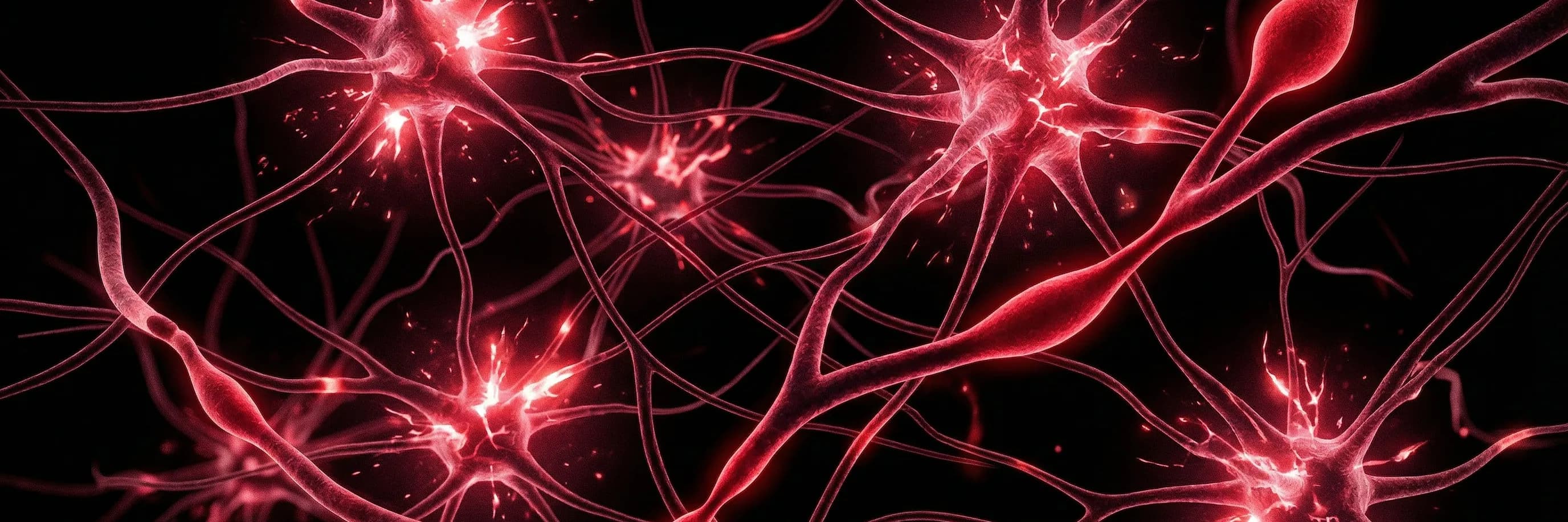
Na hora 43 de parar de fumar (dia 2), a nicotina foi completamente eliminada do seu corpo. Fluxo Sanguíneo Cerebral se Normalizando: O fluxo sanguíneo cerebral, reduzido agudamente pela constrição cerebrovascular induzida pela nicotina, está se normalizando. Breves momentos de clareza mental começam a interromper a persistente névoa cognitiva, oferecendo vislumbres da recuperação. Este é um estágio normal e documentado da abstinência do tabaco.
O QUE ESTÁ ACONTECENDO NO SEU CORPO
O fluxo sanguíneo cerebral, reduzido agudamente pela constrição cerebrovascular induzida pela nicotina, está se normalizando. A perfusão melhorada para o córtex pré-frontal suporta a recuperação gradual da função executiva e controle de impulsos. A fumaça do cigarro contém mais de 7.000 substâncias químicas — a nicotina é o que te vicia, mas os subprodutos da combustão (alcatrão, monóxido de carbono, formaldeído, benzeno) são os que causam mais danos físicos. Conforme a nicotina é eliminada, a exposição constante a essas toxinas também para.
Neste momento — "Fluxo Sanguíneo Cerebral se Normalizando" — seu corpo está completamente livre de nicotina e focado na recuperação neurológica e tecidual.
Sua corrente sanguínea agora está livre de nicotina — um estado que não existia desde que você se tornou um fumante regular. Para alguém que fumava um maço por dia, isso representa aproximadamente 200 doses de nicotina por dia, 7.300 por ano, cada uma reforçando as vias neurais do vício. Toda essa entrada parou. Os mecanismos de reparo do seu corpo, que constantemente combatiam novos danos enquanto você fumava, agora podem se concentrar inteiramente na cura. As mais de 7.000 substâncias químicas — carcinógenos como benzeno, formaldeído e acroleína — não estão mais sendo administradas.
Seu cérebro está recebendo mais sangue. A nicotina contraía seus vasos sanguíneos cerebrais, reduzindo a perfusão ao seu córtex pré-frontal — a parte que lida com controle de impulsos, planejamento e pensamento racional. Essa constrição está se liberando. Mais sangue significa mais oxigênio e glicose chegando aos neurônios que te ajudam a resistir à vontade de fumar.
COMO VOCÊ ESTÁ SE SENTINDO
Breves momentos de clareza mental começam a interromper a persistente névoa cognitiva, oferecendo vislumbres da recuperação.
A noite carrega associações poderosas para fumantes — o cigarro de relaxamento, o cigarro pós-jantar, a bebida da noite no alpendre. Estes são rituais de conforto, não apenas entrega de nicotina. Substituí-los requer não apenas evitar o cigarro, mas criar ativamente uma nova rotina de relaxamento. Uma bebida quente, alongamento leve ou leitura podem sinalizar "o dia está terminando" ao seu cérebro sem a fumaça.
Fumar tem rituais embutidos — o maço, o isqueiro, o primeiro cigarro com o café da manhã, o cigarro pós-refeição — cada um é um gatilho conectado à sua rotina diária. Décadas de pesquisa sobre tabagismo mostram que os elementos rituais — o maço no bolso, o isqueiro na mão, a primeira tragada da manhã — criam dependência psicológica que funciona paralela e independentemente do vício em nicotina. Você está lutando contra ambos simultaneamente agora, e é isso que torna as primeiras 72 horas tão intensas.
Se você fumou por anos ou décadas, seu corpo acumulou danos que começam a se reverter no momento em que você para. Cada hora sem cigarro é progresso mensurável. Cada hora que você não acende um cigarro, seu cérebro está registrando um novo ponto de dados: "Sobrevivi a esse gatilho sem cigarro." Com o tempo, esses pontos de dados se acumulam em um novo padrão. Mas agora, o padrão antigo está alto.
O QUE FAZER AGORA
Envolva-se em uma tarefa cognitiva simples como palavras cruzadas ou Sudoku por 15 minutos para exercitar os circuitos pré-frontais em recuperação.
Técnica da água fria: Beba um copo cheio de água gelada o mais rápido que conseguir confortavelmente. A sensação de frio e o ato de beber ocupam tanto sua fixação oral quanto seu nervo vago. Siga com uma bala forte de menta — o sabor intenso substitui a sensação de fumaça na garganta.
Escreva a vontade de fumar: gatilho, intensidade (1-10), hora, local. Essa prática — chamada de surfar o impulso na literatura clínica — transforma o sentimento avassalador em dados observáveis. A maioria das pessoas que rastreia as vontades descobre que elas são mais curtas e menos frequentes do que parecem no momento.
O QUE ESPERAR NESTA HORA
Conforme a noite progride no dia 2 de parar de fumar, os sintomas de abstinência estão na intensidade máxima — é o mais difícil que fica. Seu corpo está completamente livre de nicotina — todos os sintomas restantes são adaptação neurológica, não abstinência química. Durante a fase de Abstinência Aguda (Dias 1-3), seu corpo está focado em eliminar a nicotina e seus metabólitos. A nicotina dos cigarros está sendo quebrada e eliminada. Cada hora traz progresso mensurável.
MUDANÇAS NO CORPO
Nível de nicotina: 0% — completamente eliminada da sua corrente sanguínea. Seu corpo alcançou a eliminação completa da nicotina na hora 72.
SINTOMAS COMUNS HOJE
PERGUNTAS FREQUENTES
É normal me sentir assim 43 horas após parar de fumar?
Sim. Na hora 43 (dia 2), seu corpo está completamente livre de nicotina e passando por adaptação neurológica. Os sintomas que você está experimentando — que estão na intensidade máxima agora — são uma parte documentada da abstinência de nicotina e vão passar.
Quanta nicotina resta no meu corpo após 43 horas?
Após 43 horas sem fumar, aproximadamente 0,0% de nicotina permanece na sua corrente sanguínea. Seu corpo agora está 100% livre de nicotina. Todos os sintomas restantes são neurológicos, não químicos.
Receba orientação hora a hora, briefings por notificação push e coaching de áudio direto no seu celular.