HOUR 240 OF 336Ten Days Smoke-Free
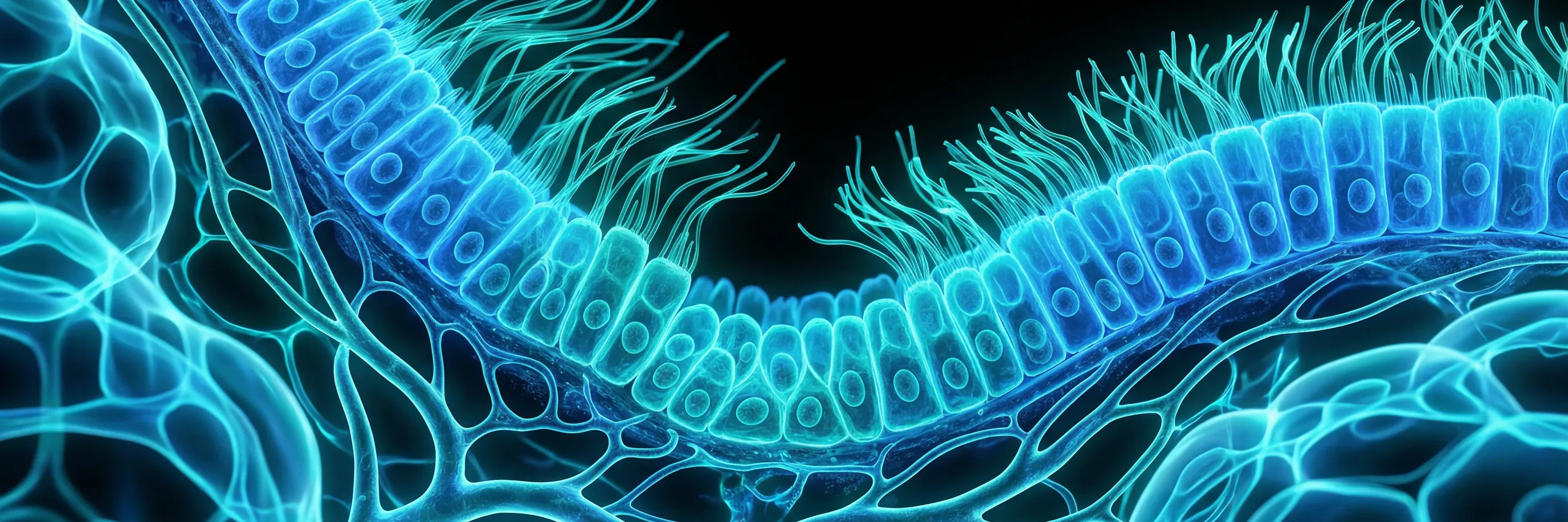
At hour 240 of quitting smoking (day 10), nicotine has been completely cleared from your body. Ten full days without a cigarette. Gingival blood circulation has approached non-user levels, nAChR downregulation is accelerating, pulmonary function shows measurable FEV1 improvement, and systemic inflammation has substantially resolved. Reaching double digits measurably reduces relapse probability. The remaining opponent is not chemistry — it is routine.
WHAT'S HAPPENING IN YOUR BODY
Ten full days without nicotine. Gingival blood circulation has approached non-user levels, nAChR downregulation is accelerating, pulmonary function shows measurable FEV1 improvement, and systemic inflammation has substantially resolved. Phase 3 tissue repair objectives are achieved. Cigarette smoke contains over 7,000 chemicals — the nicotine is what hooks you, but the combustion byproducts (tar, carbon monoxide, formaldehyde, benzene) are what cause the most physical damage. As nicotine clears, so does the constant exposure to these toxins.
At this moment — "Day Ten Complete Milestone" — your body is completely nicotine-free and focused on neurological and tissue recovery.
Day 10: the shift from suffering to recovery is tangible. Most former smokers report this as the first day they feel genuinely better. Cravings are infrequent (1-2 per day) and brief. Sleep architecture has stabilized. Lung capacity continues to improve. Your sense of taste and smell are noticeably sharper. Morning cough, while possibly still present, is productive and therapeutic — your lungs are cleaning house.
Phase three — complete. Two hundred and forty consecutive hours. Your body has crossed into territory where the changes are no longer just recovery — they're improvement. Your gum circulation has approached non-user levels.
HOW YOU'RE FEELING
Reaching the double-digit milestone of Day 10 represents a powerful psychological landmark that substantially reduces relapse probability.
Evening carries powerful associations for smokers — the wind-down smoke, the after-dinner cigarette, the nightcap on the porch. These are comfort rituals, not just nicotine delivery. Replacing them requires not just avoiding the cigarette but actively creating a new wind-down routine. A warm drink, light stretching, or reading can signal "day is ending" to your brain without the smoke.
For long-term smokers, the identity shift can feel profound. "I'm a smoker" may have been part of your self-concept for decades — a social identity, a stress management strategy, a way of taking breaks, a conversation starter. Releasing that identity doesn't mean erasing your history. It means recognizing that the person you are now has outgrown the habit. You're not giving something up. You're putting something down that no longer serves you. The language matters: "I don't smoke" is fundamentally different from "I'm trying to quit." One is an identity statement. The other is a struggle narrative.
WHAT TO DO RIGHT NOW
Celebrate this major milestone by sharing your achievement with a trusted person and planning a meaningful reward for completing 10 full days.
Tactical focus shifts from crisis management to identity building. Start noticing the improvements: your sense of smell is sharper, food tastes better, you're not excusing yourself from conversations to step outside, your clothes don't reek of smoke, your car smells clean.
Body awareness helps: take stock of the past week physically. Breathing easier on stairs, the morning cough changing character as cilia clear, food tasting like food again. Write the changes somewhere visible. Make the benefit tangible.
WHAT TO EXPECT THIS HOUR
As the evening progresses on day 10 of quitting smoking, this is a milestone moment in your recovery. Nicotine has been at zero since hour 72, and the physical repair across your lungs, gums, vessels and brain is well under way. What you have built alongside it matters just as much: a morning, a break and an evening that no longer contain a cigarette. Protect those new versions and the last four days take care of themselves.
BODY CHANGES
Nicotine level: 0% — completely cleared from your bloodstream. Your body achieved full nicotine clearance at hour 72.
Nicotinic acetylcholine receptor downregulation is actively occurring in your brain. The excess receptors built up over years of smoking is being pruned back toward non-smoker baseline.
Your lung cilia — the tiny hair-like structures that were paralyzed by cigarette smoke — are regenerating and beginning to sweep accumulated tar and debris out of your airways. This is why you may be coughing more: it's a sign of healing, not damage.
COMMON SYMPTOMS TODAY
FREQUENTLY ASKED QUESTIONS
Is it normal to feel this way 240 hours after quitting smoking?
Yes. At hour 240 (day 10), your body has been completely free of nicotine since hour 72 and is in neurological adaptation. Feeling markedly better — and occasionally still getting a short, cue-driven urge — is exactly what this milestone stage looks like.
What's the significance of reaching 240 hours (day 10) without smoking?
Hour 240 is a major milestone: ten full days without a cigarette. Gingival blood circulation has approached non-user levels, nAChR downregulation is accelerating, pulmonary function shows measurable FEV1 improvement, and systemic inflammation has substantially resolved. Each milestone you reach improves your odds of staying quit, and people who reach day 10 are significantly more likely to stay quit long-term.
I have gone ten days without cigarettes — could I handle just one now?
No. One cigarette reloads the receptors that are currently downregulating toward non-smoker baseline and restores the cue you have spent ten days dismantling. The thought lasts three to five minutes; the reset would cost you the whole ten days of receptor recovery.
Get hour-by-hour guidance, push notification briefings, and audio coaching delivered to your phone.

