HOUR 236 OF 336Skin Heals Like a Non-Smoker's
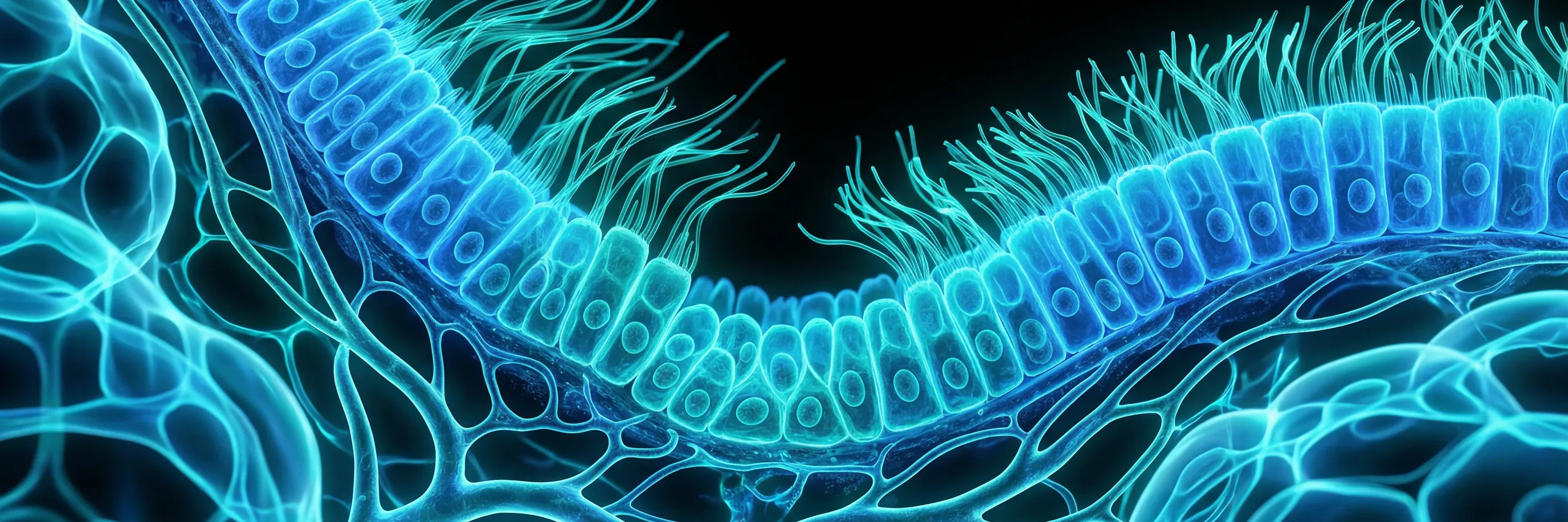
At hour 236 of quitting smoking (day 10), nicotine has been completely cleared from your body. Cutaneous wound healing speed is approaching non-smoker rates as tissue oxygenation, fibroblast function and collagen deposition normalize, and surgical wound complication risk is now substantially lower than on the day you quit. Smoking starves skin of oxygen, which is why smokers heal slowly and scar badly. Ten days without cigarettes and your repair machinery is back on line, from a paper cut to your complexion.
WHAT'S HAPPENING IN YOUR BODY
Cutaneous wound healing speed is approaching non-smoker rates as improved tissue oxygenation, fibroblast function, and collagen deposition normalize. Surgical wound complication risk is now substantially lower than at the time of cessation. Cigarette smoke contains over 7,000 chemicals — the nicotine is what hooks you, but the combustion byproducts (tar, carbon monoxide, formaldehyde, benzene) are what cause the most physical damage. As nicotine clears, so does the constant exposure to these toxins.
At this moment — "Wound Healing Capacity Restored" — your body is completely nicotine-free and focused on neurological and tissue recovery.
Day 10: the shift from suffering to recovery is tangible. Most former smokers report this as the first day they feel genuinely better. Cravings are infrequent (1-2 per day) and brief. Sleep architecture has stabilized. Lung capacity continues to improve. Your sense of taste and smell are noticeably sharper. Morning cough, while possibly still present, is productive and therapeutic — your lungs are cleaning house.
HOW YOU'RE FEELING
Awareness that even the body's healing machinery has been restored reinforces the comprehensive nature of recovery.
Evening carries powerful associations for smokers — the wind-down smoke, the after-dinner cigarette, the nightcap on the porch. These are comfort rituals, not just nicotine delivery. Replacing them requires not just avoiding the cigarette but actively creating a new wind-down routine. A warm drink, light stretching, or reading can signal "day is ending" to your brain without the smoke.
For long-term smokers, the identity shift can feel profound. "I'm a smoker" may have been part of your self-concept for decades — a social identity, a stress management strategy, a way of taking breaks, a conversation starter. Releasing that identity doesn't mean erasing your history. It means recognizing that the person you are now has outgrown the habit. You're not giving something up. You're putting something down that no longer serves you. The language matters: "I don't smoke" is fundamentally different from "I'm trying to quit." One is an identity statement. The other is a struggle narrative.
WHAT TO DO RIGHT NOW
If you have any minor cuts or abrasions, observe how they heal more quickly than during your smoking period.
Tactical focus shifts from crisis management to identity building. Start noticing the improvements: your sense of smell is sharper, food tastes better, you're not excusing yourself from conversations to step outside, your clothes don't reek of smoke, your car smells clean.
Body awareness helps: take stock of the past week physically. Breathing easier on stairs, the morning cough changing character as cilia clear, food tasting like food again. Write the changes somewhere visible. Make the benefit tangible.
WHAT TO EXPECT THIS HOUR
As the evening progresses on day 10 of quitting smoking, withdrawal symptoms are relatively manageable and recovery is visible on the outside as well as in. Nicotine has been at zero since hour 72, so better skin tone and faster healing are structural gains. Evenings are where old routines cluster — drink, balcony, the last cigarette before bed — so decide the shape of tonight in advance. Cravings pass in three to five minutes.
BODY CHANGES
Nicotine level: 0% — completely cleared from your bloodstream. Your body achieved full nicotine clearance at hour 72.
Nicotinic acetylcholine receptor downregulation is actively occurring in your brain. The excess receptors built up over years of smoking is being pruned back toward non-smoker baseline.
Your lung cilia — the tiny hair-like structures that were paralyzed by cigarette smoke — are regenerating and beginning to sweep accumulated tar and debris out of your airways. This is why you may be coughing more: it's a sign of healing, not damage.
COMMON SYMPTOMS TODAY
FREQUENTLY ASKED QUESTIONS
Is it normal to feel this way 236 hours after quitting smoking?
Yes. At hour 236 (day 10), you have been nicotine-free since hour 72 and the symptoms left are neurological adaptation. They are low at this stage and your body's repair capacity has been substantially restored.
Does skin improve after you quit smoking cigarettes?
Yes. Wound healing speed is approaching non-smoker rates as tissue oxygenation, fibroblast function and collagen deposition normalize, and improved microvascular perfusion also shows up as better color and tone.
Is the last cigarette of the night the hardest one to give up?
For many smokers, yes — it marked the end of the day. It is now purely a cue, since nicotine has been at zero since hour 72, and building a deliberate wind-down routine in its place is what stops it resurfacing.
Get hour-by-hour guidance, push notification briefings, and audio coaching delivered to your phone.

