336 में से घंटा 235व्यायाम सहनशीलता में वृद्धि
धूम्रपान छोड़ने के 235 घंटे (दिन 10) में, निकोटीन आपके शरीर से पूरी तरह साफ हो चुका है। व्यायाम सहनशीलता में वृद्धि: परिश्रम के दौरान पीक ऑक्सीजन उपयोग (VO2) में सुधार हो रहा है क्योंकि बेहतर फुफ्फुसीय गैस विनिमय, बढ़ी हुई ऑक्सीजन-वहन क्षमता, और सुधरी हुई परिधीय ऑक्सीजन निष्कर्षण समन्वित रूप से काम कर रही है। शारीरिक क्षमता छोड़ने के निर्णय के लिए सकारात्मक सुदृढीकरण का स्रोत बन रही है। यह धूम्रपान छोड़ने की वापसी का एक सामान्य और प्रलेखित चरण है।
आपके शरीर में क्या हो रहा है
परिश्रम के दौरान पीक ऑक्सीजन उपयोग (VO2) में सुधार हो रहा है क्योंकि बेहतर फुफ्फुसीय गैस विनिमय, बढ़ी हुई ऑक्सीजन-वहन क्षमता, और सुधरी हुई परिधीय ऑक्सीजन निष्कर्षण समन्वित रूप से काम कर रही है। व्यायाम-प्रेरित श्वसन कष्ट की सीमा बढ़ रही है। सिगरेट के धुएं में 7,000 से अधिक रसायन होते हैं — निकोटीन आपको लालच में फंसाता है, लेकिन दहन उपोत्पाद (टार, कार्बन मोनोऑक्साइड, फॉर्मेल्डिहाइड, बेंजीन) सबसे अधिक शारीरिक नुकसान करते हैं। जैसे-जैसे निकोटीन साफ होता है, इन विषाक्त पदार्थों के निरंतर संपर्क में आना भी बंद होता है।
इस क्षण — "व्यायाम सहनशीलता में वृद्धि" — आपका शरीर पूरी तरह निकोटीन-मुक्त है और न्यूरोलॉजिकल तथा ऊतक रिकवरी पर केंद्रित है।
दिन 10: पीड़ा से रिकवरी की ओर बदलाव स्पष्ट है। अधिकतर पूर्व धूम्रपान करने वाले इसे पहला दिन बताते हैं जब वे वास्तव में बेहतर महसूस करते हैं। तलब कम होती है (दिन में 1-2 बार) और संक्षिप्त होती है। नींद की संरचना स्थिर हो गई है। फेफड़ों की क्षमता में सुधार जारी है। आपके स्वाद और गंध की भावना स्पष्ट रूप से तेज है। सुबह की खांसी, हो सकता है अभी भी मौजूद हो, लेकिन यह उत्पादक और चिकित्सीय है — आपके फेफड़े सफाई कर रहे हैं।
आप कैसा महसूस कर रहे हैं
शारीरिक क्षमता छोड़ने के निर्णय के लिए सकारात्मक सुदृढीकरण का स्रोत बन रही है।
शाम धूम्रपान करने वालों के लिए शक्तिशाली संबंध रखती है — आराम की धूम्रपान, खाने के बाद की सिगरेट, बरामदे में रात की सिगरेट। ये आराम की रिवायतें हैं, केवल निकोटीन पहुंचाने का तरीका नहीं। इन्हें बदलने के लिए केवल सिगरेट से बचना नहीं बल्कि सक्रिय रूप से एक नई आराम दिनचर्या बनाना आवश्यक है। गर्म पेय, हल्की स्ट्रेचिंग, या पढ़ना आपके मस्तिष्क को धुएं के बिना "दिन समाप्त हो रहा है" का संकेत दे सकता है।
लंबे समय तक धूम्रपान करने वालों के लिए, पहचान में बदलाव गहरा लग सकता है। "मैं धूम्रपान करने वाला हूं" दशकों से आपकी आत्म-धारणा का हिस्सा रहा हो सकता है — एक सामाजिक पहचान, तनाव प्रबंधन की रणनीति, विराम लेने का तरीका, बातचीत शुरू करने का साधन। उस पहचान को छोड़ना आपके इतिहास को मिटाना नहीं है। इसका मतलब यह पहचानना है कि आप जो व्यक्ति अब हैं, उन्होंने इस आदत से आगे निकल लिया है। आप कुछ छोड़ नहीं रहे। आप कुछ ऐसा रख रहे हैं जो अब आपके काम नहीं आता। भाषा मायने रखती है: "मैं धूम्रपान नहीं करता" मूलभूत रूप से "मैं छोड़ने की कोशिश कर रहा हूं" से अलग है। एक पहचान का बयान है। दूसरा संघर्ष की कहानी है।
अभी क्या करें
कोई शारीरिक गतिविधि आज़माएं जो धूम्रपान करते समय कठिन लगती थी और अपने सुधरे प्रदर्शन को दर्ज करें।
रणनीतिक फोकस संकट प्रबंधन से पहचान निर्माण की ओर स्थानांतरित होता है। सुधारों पर ध्यान देना शुरू करें: आपकी गंध की भावना तेज है, खाना बेहतर लगता है, आप बातचीत से बाहर कदम रखने के लिए बहाना नहीं बना रहे, आपके कपड़ों से धुएं की बदबू नहीं आती, आपकी गाड़ी साफ महकती है।
वित्तीय जागरूकता मददगार है: पिछले सप्ताह आपने जो बचत की है उसकी गणना करें। यदि आप प्रतिदिन एक पैकेट ₹80-140 में पीते थे, तो आपने इस सप्ताह अकेले ₹560-980 बचाए हैं। इस पैसे को कहीं दिखाई देने वाली जगह लगाएं — एक जार, खाता, या कोई खरीदारी जिसे आप टाल रहे थे। लाभ को मूर्त बनाएं।
इस घंटे क्या उम्मीद करें
धूम्रपान छोड़ने के दिन 10 की इस शाम, वापसी के लक्षण अपेक्षाकृत प्रबंधनीय हैं। आपका शरीर निकोटीन से पूरी तरह मुक्त है — सभी शेष लक्षण न्यूरोलॉजिकल अनुकूलन हैं, रासायनिक वापसी नहीं। टर्निंग पॉइंट चरण (दिन 8-10) वह समय है जब कई पूर्व धूम्रपान करने वाले पीड़ा से रिकवरी की ओर बदलाव देखते हैं। शारीरिक लक्षण कम हो रहे हैं, और आपके शरीर की मरम्मत तंत्र पूरी गति में है।
शारीरिक बदलाव
निकोटीन स्तर: 0% — आपके रक्तप्रवाह से पूरी तरह साफ। आपके शरीर ने घंटा 72 में पूर्ण निकोटीन क्लीयरेंस प्राप्त किया था।
आपके मस्तिष्क में निकोटिनिक एसिटाइलकोलीन रिसेप्टर डाउनरेगुलेशन सक्रिय रूप से हो रहा है। धूम्रपान के वर्षों में बने अतिरिक्त रिसेप्टर्स को गैर-धूम्रपान करने वाले आधारभूत स्तर की ओर वापस काटा जा रहा है।
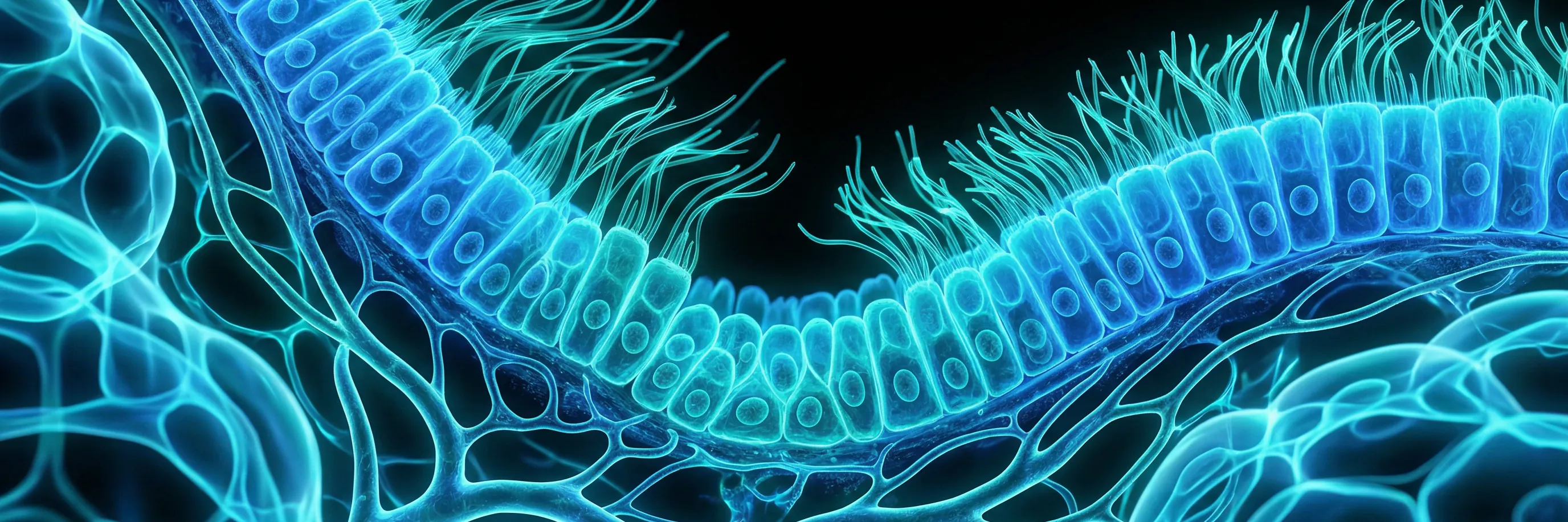
आपके फेफड़ों के सिलिया — छोटे बाल जैसी संरचनाएं जो सिगरेट के धुएं से पंगु हो गई थीं — पुनर्जीवित हो रही हैं और आपके वायुमार्गों से संचित टार और मलबे को बाहर निकालना शुरू कर रही हैं। इसीलिए आप अधिक खांस रहे हो सकते हैं: यह चिकित्सा का संकेत है, नुकसान का नहीं।
आज के सामान्य लक्षण
अक्सर पूछे जाने वाले प्रश्न
क्या धूम्रपान छोड़ने के 235 घंटे बाद ऐसा महसूस करना सामान्य है?
हां। घंटा 235 (दिन 10) में, आपका शरीर निकोटीन से पूरी तरह मुक्त है और न्यूरोलॉजिकल अनुकूलन के दौर से गुजर रहा है। जो लक्षण आप अनुभव कर रहे हैं — जो इस चरण में कम हैं — ये निकोटीन वापसी का प्रलेखित हिस्सा हैं और ये चले जाएंगे।
धूम्रपान छोड़ने के बाद कब बेहतर महसूस होना शुरू होता है?
अधिकतर लोग जो धूम्रपान एकदम छोड़ते हैं, वे दिन 8-10 के बीच स्पष्ट सुधार की रिपोर्ट करते हैं। आप दिन 10 पर हैं — ठीक उसी समय सीमा में। सबसे बुरा समय पीछे छूट गया है। तलब कम बार आती है (आमतौर पर दर्जनों की बजाय दिन में 1-2 बार), नींद में सुधार होता है, और कई लोग अपने वास्तव में अच्छा महसूस करने के पहले दिन की रिपोर्ट करते हैं। समयसीमा व्यक्ति के अनुसार अलग होती है, लेकिन अब तक का रुझान स्पष्ट है।
घंटे-दर-घंटे मार्गदर्शन, पुश नोटिफिकेशन ब्रीफिंग्स, और ऑडियो कोचिंग अपने फोन पर पाएं।