336 में से घंटा 220धमनी कठोरता में कमी
धूम्रपान छोड़ने के घंटा 220 (दिन 10) पर, निकोटीन आपके शरीर से पूर्णतः साफ हो चुका है। धमनी कठोरता में कमी: पल्स वेव वेलोसिटी, जो धमनी कठोरता का एक माप है जो धूम्रपान करने वालों में बढ़ी हुई होती है, कम हो रही है। हृदय प्रणाली नींद के दौरान चुपचाप खुद की मरम्मत कर रही है, जो सुबह की बेहतर जीवंतता में योगदान देती है। यह धूम्रपान छोड़ने की वापसी का एक सामान्य और प्रलेखित चरण है।
आपके शरीर में क्या हो रहा है
पल्स वेव वेलोसिटी, जो धमनी कठोरता का एक माप है जो धूम्रपान करने वालों में बढ़ी हुई होती है, कम हो रही है। सुधरी हुई धमनी अनुपालन हृदय आफ्टरलोड और सिस्टोलिक रक्तचाप को कम करती है, जिससे हृदय संबंधी कार्यभार कम होता है। सिगरेट के धुएं में 7,000 से अधिक रसायन होते हैं — निकोटीन वह है जो आपको लालायित करता है, लेकिन दहन उप-उत्पाद (टार, कार्बन मोनोऑक्साइड, फॉर्मेल्डिहाइड, बेंजीन) वे हैं जो सबसे अधिक शारीरिक नुकसान करते हैं। जैसे-जैसे निकोटीन साफ होता है, वैसे-वैसे इन विषाक्त पदार्थों का निरंतर संपर्क भी समाप्त होता है।
इस क्षण में — "धमनी कठोरता में कमी" — आपका शरीर पूर्णतः निकोटीन मुक्त है और न्यूरोलॉजिकल और ऊतक सुधार पर केंद्रित है।
दिन 10: पीड़ा से सुधार की ओर बदलाव स्पष्ट है। अधिकांश पूर्व धूम्रपान करने वाले इसे वह पहला दिन बताते हैं जब वे वास्तव में बेहतर महसूस करते हैं। तलब कम होती हैं (दिन में 1-2 बार) और संक्षिप्त होती हैं। नींद की संरचना स्थिर हो गई है। फेफड़ों की क्षमता में सुधार जारी है। आपका स्वाद और गंध की भावना स्पष्ट रूप से तेज है। सुबह की खांसी, भले ही अभी भी मौजूद हो, उत्पादक और चिकित्सीय है — आपके फेफड़े सफाई का काम कर रहे हैं।
आप कैसा महसूस कर रहे हैं
हृदय प्रणाली नींद के दौरान चुपचाप खुद की मरम्मत कर रही है, जो सुबह की बेहतर जीवंतता में योगदान देती है।
सुबह का समय पूर्व धूम्रपान करने वालों के लिए एक उच्च जोखिम की अवधि है। "दिन की पहली सिगरेट" अक्सर सभी दैनिक धूम्रपान में सबसे अधिक मनोवैज्ञानिक रूप से प्रबलित थी — जागने, कॉफी और नींद से सतर्कता के बीच संक्रमण के साथ जुड़ी हुई। आपका मस्तिष्क अभी उस संकेत की तलाश कर रहा है। इसे कुछ शारीरिक चीज़ से बदलें: खिंचाव करें, चेहरे पर ठंडा पानी छिड़कें, ताज़ी हवा के लिए बाहर कदम रखें।
लंबे समय तक धूम्रपान करने वालों के लिए, पहचान का बदलाव गहरा लग सकता है। "मैं धूम्रपान करता हूं" दशकों से आपकी स्व-अवधारणा का हिस्सा रहा हो सकता है — एक सामाजिक पहचान, तनाव प्रबंधन की रणनीति, ब्रेक लेने का तरीका, बातचीत शुरू करने का साधन। उस पहचान को छोड़ना आपके इतिहास को मिटाने का मतलब नहीं है। इसका मतलब यह पहचानना है कि अब आप जो व्यक्ति हैं, वह इस आदत से आगे निकल गया है। आप कुछ छोड़ नहीं रहे हैं। आप कुछ ऐसा रख रहे हैं जो अब आपकी सेवा नहीं करता। भाषा का महत्व है: "मैं धूम्रपान नहीं करता" मूलभूत रूप से "मैं छोड़ने की कोशिश कर रहा हूं" से अलग है। एक पहचान की घोषणा है। दूसरा संघर्ष की कथा है।
अभी क्या करें
यदि आपके पास घरेलू कफ उपलब्ध है तो अपने रक्तचाप की निगरानी करें और सुधरते रुझान को नोट करें।
रणनीतिक फोकस संकट प्रबंधन से पहचान निर्माण की ओर स्थानांतरित होता है। सुधारों को नोटिस करना शुरू करें: आपकी गंध की भावना तेज है, खाना बेहतर स्वाद देता है, आप बातचीत से बाहर निकलने के लिए बहाने नहीं बना रहे, आपके कपड़ों से धुएं की बदबू नहीं आती, आपकी कार साफ महकती है।
वित्तीय जागरूकता मदद करती है: पिछले सप्ताह में आपने कितनी बचत की है इसका हिसाब लगाएं। यदि आप दिन में एक पैकेट $8-14 प्रति पैकेट की दर से पीते थे, तो आपने केवल इस सप्ताह $56-98 बचाए हैं। उस पैसे को कहीं दिखने वाली जगह भेजें — एक जार, एक खाता, कोई खरीदारी जिसे आप टाल रहे थे। लाभ को स्पर्शनीय बनाएं।
इस घंटे क्या उम्मीद करें
धूम्रपान छोड़ने के दिन 10 की सुबह के इन घंटों में, वापसी के लक्षण अपेक्षाकृत प्रबंधनीय हैं। आपका शरीर निकोटीन से पूर्णतः मुक्त है — सभी शेष लक्षण न्यूरोलॉजिकल अनुकूलन हैं, रासायनिक वापसी नहीं। टर्निंग पॉइंट फेज (दिन 8-10) वह समय है जब कई पूर्व धूम्रपान करने वाले पीड़ा से सुधार की ओर बदलाव को नोटिस करते हैं। शारीरिक लक्षण कम हो रहे हैं, और आपके शरीर की मरम्मत तंत्र पूरी गति में हैं।
शारीरिक बदलाव
निकोटीन का स्तर: 0% — आपके रक्त प्रवाह से पूर्णतः साफ। आपके शरीर ने घंटा 72 पर पूर्ण निकोटीन क्लीयरेंस प्राप्त की।
आपके मस्तिष्क में निकोटिनिक एसिटाइलकोलीन रिसेप्टर डाउनरेगुलेशन सक्रिय रूप से हो रहा है। वर्षों के धूम्रपान से निर्मित अतिरिक्त रिसेप्टर्स को गैर-धूम्रपान करने वाले आधार रेखा की ओर वापस छांटा जा रहा है।
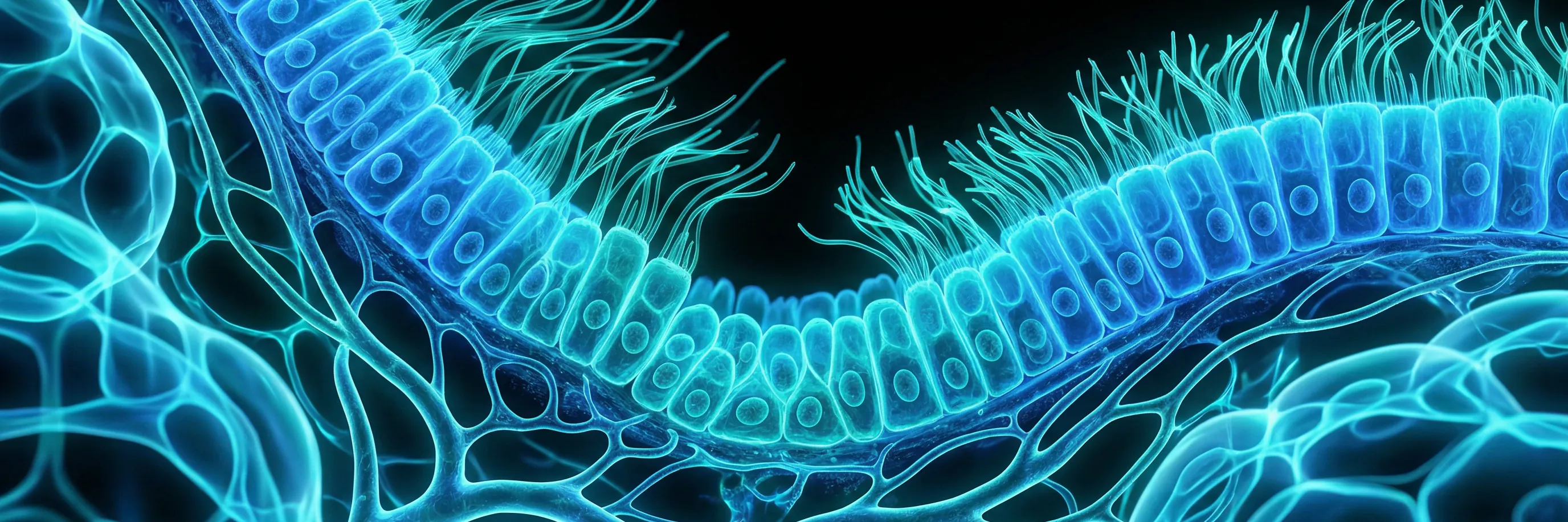
आपके फेफड़े की सिलिया — वे छोटी बाल जैसी संरचनाएं जो सिगरेट के धुएं से लकवाग्रस्त थीं — पुनर्जीवित हो रही हैं और आपके वायुमार्ग से संचित टार और मलबे को बाहर निकालना शुरू कर रही हैं। यही कारण है कि आप अधिक खांस रहे हो सकते हैं: यह उपचार का संकेत है, नुकसान का नहीं।
आज के सामान्य लक्षण
अक्सर पूछे जाने वाले प्रश्न
क्या धूम्रपान छोड़ने के 220 घंटे बाद इस तरह महसूस करना सामान्य है?
हां। घंटा 220 (दिन 10) पर, आपका शरीर निकोटीन से पूर्णतः मुक्त है और न्यूरोलॉजिकल अनुकूलन से गुज़र रहा है। आप जो लक्षण अनुभव कर रहे हैं — जो इस चरण में कम हैं — निकोटीन वापसी का प्रलेखित हिस्सा हैं और ये गुज़र जाएंगे।
धूम्रपान छोड़ने के बाद कब बेहतर लगना शुरू होता है?
अधिकांश लोग जो धूम्रपान एकदम छोड़ देते हैं, वे दिन 8-10 के बीच एक स्पष्ट मोड़ की रिपोर्ट करते हैं। आप दिन 10 पर हैं — बिल्कुल उसी अवधि में। सबसे बुरा समय बीत गया है। तलब कम हो जाती है (आमतौर पर दर्जनों के बजाय दिन में 1-2), नींद में सुधार होता है, और कई लोग वास्तव में अच्छा महसूस करने वाले अपने पहले दिन की रिपोर्ट करते हैं। समयसीमा व्यक्ति के अनुसार भिन्न होती है, लेकिन अब तक का रुझान अचूक है।
घंटे-दर-घंटे मार्गदर्शन, पुश नोटिफिकेशन ब्रीफिंग्स, और ऑडियो कोचिंग अपने फोन पर पाएं।