GIỜ 176 TRONG TỔNG SỐ 336Phục hồi đại thực bào phế nang
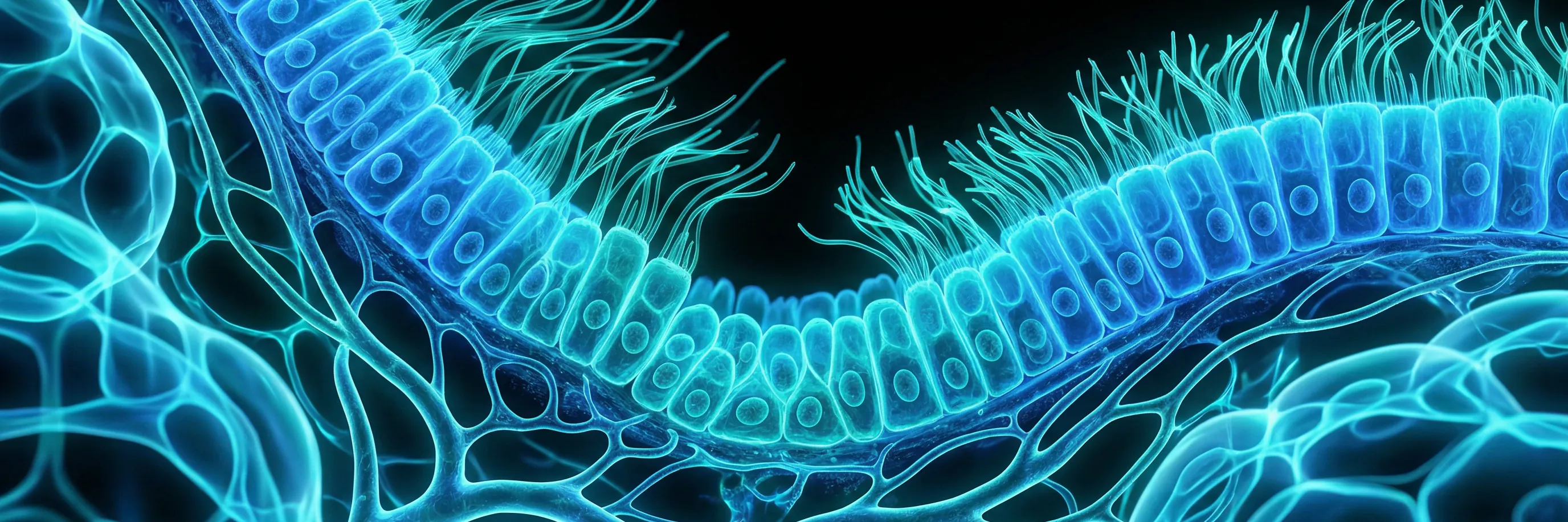
Tại giờ thứ 176 cai thuốc lá (ngày 8), nicotine đã được thải sạch hoàn toàn khỏi cơ thể bạn. Phục hồi đại thực bào phế nang: Các đại thực bào phế nang, những lính canh miễn dịch chính của phổi, đang phục hồi hiệu quả thực bào. Khả năng tập trung và duy trì sự chú ý được cải thiện đáng kể so với tuần đầu tiên cai thuốc. Đây là giai đoạn bình thường và có ghi chép của quá trình cai thuốc lá.
ĐIỀU GÌ ĐANG DIỄN RA TRONG CƠ THỂ BẠN
Các đại thực bào phế nang, những lính canh miễn dịch chính của phổi, đang phục hồi hiệu quả thực bào. Khả năng thanh thải các hạt vít hít vào và mầm bệnh đang cải thiện khi gánh nặng tế bào chứa đầy nhựa đường giảm xuống. Khói thuốc lá chứa hơn 7,000 hóa chất — nicotine làm bạn nghiện, nhưng các sản phẩm đốt cháy (nhựa đường, carbon monoxide, formaldehyde, benzene) mới là nguyên nhân gây tổn thương vật lý nhiều nhất. Khi nicotine thoát khỏi cơ thể, việc tiếp xúc liên tục với các chất độc này cũng dừng lại.
Tại thời điểm này — "Phục hồi đại thực bào phế nang" — cơ thể bạn hoàn toàn không còn nicotine và tập trung vào phục hồi thần kinh và mô.
Ngày 8: quá trình sửa chữa mô đang tăng tốc trên nhiều hệ cơ quan. Phổi của bạn biến đổi nổi bật nhất: các ống phế quản đã giãn ra, lông chuyển được quét tích cực các cặn nhựa đường ra khỏi đường thở, và các tế bào phế nang mới đang thay thế những tế bào bị tổn thương. FEV1 đang có sự cải thiện đo được. Nguy cơ tim mạch của bạn đã giảm — độ cứng động mạch đang giảm, tính dính của tiểu cầu bình thường hóa. Mô nướu của bạn đang nhận được lưu lượng máu tốt hơn, và việc nhuộm màu trên răng đã ngừng tiến triển.
CẢM GIÁC CỦA BẠN
Khả năng tập trung và duy trì sự chú ý được cải thiện đáng kể so với tuần đầu tiên cai thuốc.
Những giờ buổi sáng mang theo tải lượng kích hoạt nặng nề đối với người hút thuốc — việc đi làm, giờ nghỉ công việc, cà phê giữa buổi sáng. Mỗi điều này đều là một nghi lễ hút thuốc. Hôm nay, mỗi lần bạn vượt qua chúng mà không hút thuốc đều làm yếu đi sự liên kết. Nó không cảm thấy như tiến bộ, nhưng thực tế là như vậy.
Đối với những người hút thuốc lâu năm, sự chuyển đổi bản sắc có thể cảm thấy sâu sắc. "Tôi là người hút thuốc" có thể đã là một phần trong quan niệm về bản thân bạn suốt nhiều thập kỷ — một bản sắc xã hội, một chiến lược quản lý stress, một cách để nghỉ giải lao, một chủ đề mở đầu cuộc trò chuyện. Buông bỏ bản sắc đó không có nghĩa là xóa bỏ quá khứ của bạn. Nó có nghĩa là nhận ra rằng con người bạn bây giờ đã vượt qua thói quen này. Bạn không từ bỏ điều gì đó. Bạn đang đặt xuống thứ không còn phục vụ bạn nữa. Cách diễn đạt có ý nghĩa: "Tôi không hút thuốc" về cơ bản khác với "Tôi đang cố gắng cai thuốc." Một cái là tuyên bố về bản sắc. Cái kia là câu chuyện đấu tranh.
VIỆC CẦN LÀM NGAY LÚC NÀY
Giải quyết một nhiệm vụ đòi hỏi tư duy phức tạp vào sáng nay để tăng cường nhận thức về sự cải thiện độ rõ ràng tinh thần của bạn.
Trọng tâm chiến thuật chuyển từ quản lý khủng hoảng sang xây dựng bản sắc. Bắt đầu chú ý đến những cải thiện: khứu giác của bạn nhạy bén hơn, đồ ăn ngon hơn, bạn không cần xin phép ra ngoài giữa cuộc trò chuyện để hút thuốc, quần áo không bốc mùi khói thuốc, xe hơi có mùi sạch.
Nhận thức tài chính có tác dụng: tính toán số tiền bạn đã tiết kiệm trong tuần qua. Nếu bạn hút một gói mỗi ngày với giá 8-14 đô la mỗi gói, bạn đã tiết kiệm 56-98 đô la chỉ riêng tuần này. Chuyển hướng số tiền đó đến nơi có thể nhìn thấy — một cái lọ, một tài khoản, một món đồ bạn đã hoãn mua. Làm cho lợi ích trở nên hữu hình.
ĐIỀU MONG ĐỢI TRONG GIỜ NÀY
Trong khoảng thời gian buổi sáng này của ngày thứ 8 cai thuốc lá, các triệu chứng cai thuốc ở mức trung bình — có thể nhận thấy nhưng có thể xử lý được. Cơ thể bạn hoàn toàn không còn nicotine — tất cả các triệu chứng còn lại đều là sự thích ứng thần kinh, không phải cai hóa học. Giai đoạn Chuyển Mình (Ngày 8-10) là khi nhiều người cũ hút thuốc nhận thấy sự chuyển đổi từ đau khổ sang phục hồi. Các triệu chứng thể chất đang giảm, và cơ chế sửa chữa của cơ thể đang hoạt động hết công suất.
THAY ĐỔI CƠ THỂ
Mức nicotine: 0% — hoàn toàn được thải khỏi dòng máu của bạn. Cơ thể bạn đạt được việc thanh thải nicotine hoàn toàn ở giờ thứ 72.
Việc giảm điều hòa thụ thể nicotinic acetylcholine đang diễn ra tích cực trong não bạn. Số lượng thụ thể dư thừa tích tụ qua nhiều năm hút thuốc đang được cắt tỉa về mức cơ bản của người không hút thuốc.
Lông chuyển phổi của bạn — những cấu trúc nhỏ giống lông được tê liệt bởi khói thuốc lá — đang tái tạo và bắt đầu quét nhựa đường và mảnh vụn tích tụ ra khỏi đường thở. Đây là lý do tại sao bạn có thể ho nhiều hơn: đó là dấu hiệu của sự chữa lành, không phải tổn thương.
TRIỆU CHỨNG THƯỜNG GẶP HÔM NAY
CÂU HỎI THƯỜNG GẶP
Có bình thường khi cảm thấy như vậy sau 176 giờ cai thuốc lá không?
Có. Tại giờ thứ 176 (ngày 8), cơ thể bạn hoàn toàn không còn nicotine và đang trải qua sự thích ứng thần kinh. Các triệu chứng bạn đang trải qua — ở mức trung bình tại giai đoạn này — là một phần được ghi chép của quá trình cai nicotine và chúng sẽ qua đi.
Khi nào sẽ bắt đầu cảm thấy tốt hơn sau khi cai thuốc lá?
Hầu hết những người cai thuốc lá đột ngột báo cáo có sự chuyển biến đáng chú ý giữa ngày 8-10. Bạn đang ở ngày 8 — đúng trong khoảng đó. Phần tồi tệ nhất đã qua rồi. Cơn thèm trở nên ít thường xuyên hơn (thường 1-2 lần mỗi ngày thay vì hàng chục lần), giấc ngủ cải thiện, và nhiều người báo cáo ngày đầu tiên họ cảm thấy thực sự khỏe. Thời gian biến thiên theo từng cá nhân, nhưng xu hướng đã rõ ràng đến lúc này.
Nhận hướng dẫn từng giờ, thông báo định kỳ và tư vấn audio được gửi thẳng đến điện thoại của bạn.