HEURE 175 SUR 336Amélioration de la circulation sanguine cutanée
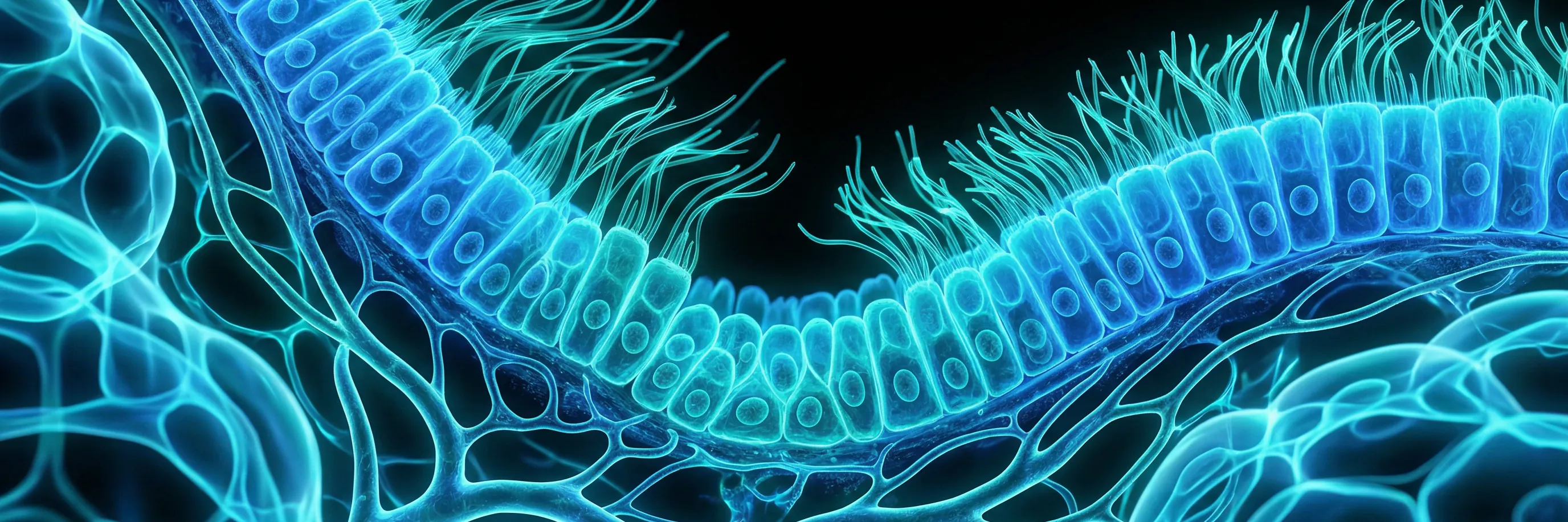
À l'heure 175 d'arrêt du tabac (jour 8), la nicotine a été complètement éliminée de votre organisme. Amélioration de la circulation sanguine cutanée : La microcirculation cutanée s'améliore tandis que la vasoconstriction chronique se résout. Les routines matinales autrefois associées au tabac deviennent plus faciles à naviguer sans déclencher d'envies intenses. Il s'agit d'une étape normale et documentée du sevrage tabagique.
CE QUI SE PASSE DANS VOTRE CORPS
La microcirculation cutanée s'améliore tandis que la vasoconstriction chronique se résout. L'augmentation de l'apport en oxygène et nutriments aux fibroblastes dermiques commence à soutenir la synthèse de collagène et le renouvellement cellulaire cutané. La fumée de cigarette contient plus de 7 000 substances chimiques — c'est la nicotine qui crée la dépendance, mais ce sont les sous-produits de combustion (goudron, monoxyde de carbone, formaldéhyde, benzène) qui causent le plus de dégâts physiques. Quand la nicotine disparaît, l'exposition constante à ces toxines cesse également.
En ce moment précis — « Amélioration de la circulation sanguine cutanée » — votre corps est complètement libéré de la nicotine et concentré sur la récupération neurologique et tissulaire.
Jour 8 : la réparation tissulaire s'accélère dans de multiples systèmes d'organes. Vos poumons montrent les changements les plus spectaculaires : les bronches se sont détendues, les cils balaient activement les dépôts de goudron hors des voies respiratoires, et de nouvelles cellules alvéolaires remplacent celles qui sont endommagées. Le VEMS montre une amélioration mesurable. Votre risque cardiovasculaire a diminué — la rigidité artérielle diminue, l'adhésivité plaquettaire se normalise. Vos gencives bénéficient d'une meilleure circulation sanguine, et la coloration de vos dents a cessé de progresser.
CE QUE VOUS RESSENTEZ
Les routines matinales autrefois associées au tabac deviennent plus faciles à naviguer sans déclencher d'envies intenses.
Les heures matinales portent une forte charge de déclencheurs pour les fumeurs — le trajet, la pause au travail, le café de milieu de matinée. Chacun de ces moments était un rituel tabagique. Aujourd'hui, chaque fois que vous les traversez sans cigarette, vous affaiblissez l'association. Cela ne se ressent pas comme un progrès, mais c'en est un.
Pour les fumeurs de longue date, le changement d'identité peut sembler profond. « Je suis fumeur » a pu faire partie de votre conception de vous-même pendant des décennies — une identité sociale, une stratégie de gestion du stress, une façon de faire des pauses, un moyen d'engager la conversation. Abandonner cette identité ne signifie pas effacer votre histoire. Cela signifie reconnaître que la personne que vous êtes maintenant a dépassé cette habitude. Vous ne renoncez à rien. Vous posez quelque chose qui ne vous sert plus. Le langage compte : « Je ne fume pas » est fondamentalement différent de « J'essaie d'arrêter ». L'un est une affirmation d'identité. L'autre est un récit de lutte.
QUE FAIRE MAINTENANT
Aspergez-vous le visage d'eau froide au réveil pour stimuler la circulation périphérique et créer un rituel d'éveil pour remplacer le tabac.
L'approche tactique passe de la gestion de crise à la construction identitaire. Commencez à remarquer les améliorations : votre odorat est plus fin, la nourriture a meilleur goût, vous ne vous excusez plus pour sortir des conversations, vos vêtements ne puent plus la fumée, votre voiture sent bon.
La prise de conscience financière aide : calculez ce que vous avez économisé cette semaine. Si vous fumiez un paquet par jour à 8-14 € le paquet, vous avez économisé 56-98 € cette semaine seulement. Redirigez cet argent vers quelque chose de visible — un bocal, un compte, un achat que vous reportiez. Rendez le bénéfice tangible.
À QUOI S'ATTENDRE CETTE HEURE
Durant cette période matinale du jour 8 d'arrêt du tabac, les symptômes de sevrage sont modérés — perceptibles mais gérables. Votre corps est complètement libéré de la nicotine — tous les symptômes restants sont une adaptation neurologique, pas un sevrage chimique. La phase du Point de bascule (Jours 8-10) est le moment où de nombreux anciens fumeurs remarquent le passage de la souffrance à la récupération. Les symptômes physiques s'atténuent, et les mécanismes de réparation de votre corps fonctionnent à plein régime.
CHANGEMENTS CORPORELS
Taux de nicotine : 0 % — complètement éliminée de votre circulation sanguine. Votre corps a atteint une élimination complète de la nicotine à l'heure 72.
La régulation à la baisse des récepteurs nicotiniques de l'acétylcholine se produit activement dans votre cerveau. L'excès de récepteurs accumulé au fil des années de tabagisme est en train d'être élagué vers les valeurs de base des non-fumeurs.
Vos cils pulmonaires — ces minuscules structures semblables à des cheveux qui étaient paralysées par la fumée de cigarette — se régénèrent et commencent à balayer le goudron et les débris accumulés hors de vos voies respiratoires. C'est pourquoi vous toussez peut-être davantage : c'est un signe de guérison, pas de dommage.
SYMPTÔMES COURANTS AUJOURD'HUI
FOIRE AUX QUESTIONS
Est-il normal de se sentir ainsi 175 heures après avoir arrêté de fumer ?
Oui. À l'heure 175 (jour 8), votre corps est complètement libéré de la nicotine et subit une adaptation neurologique. Les symptômes que vous ressentez — qui sont moyens à ce stade — font partie documentée du sevrage nicotinique et ils vont passer.
Quand commence-t-on à se sentir mieux après avoir arrêté de fumer ?
La plupart des personnes qui arrêtent de fumer d'un coup signalent un tournant notable entre les jours 8-10. Vous êtes au jour 8 — en plein dans cette fenêtre. Le pire est derrière vous. Les envies deviennent moins fréquentes (typiquement 1-2 par jour au lieu de dizaines), le sommeil s'améliore, et beaucoup rapportent leur première journée à se sentir vraiment bien. Le calendrier varie selon l'individu, mais la tendance est indéniable maintenant.
Obtenez des conseils heure par heure, des briefings par notifications push, et un accompagnement audio livré sur votre téléphone.