GIỜ 115 TRONG TỔNG SỐ 336Chức Năng Điều Hành Tiền Trán
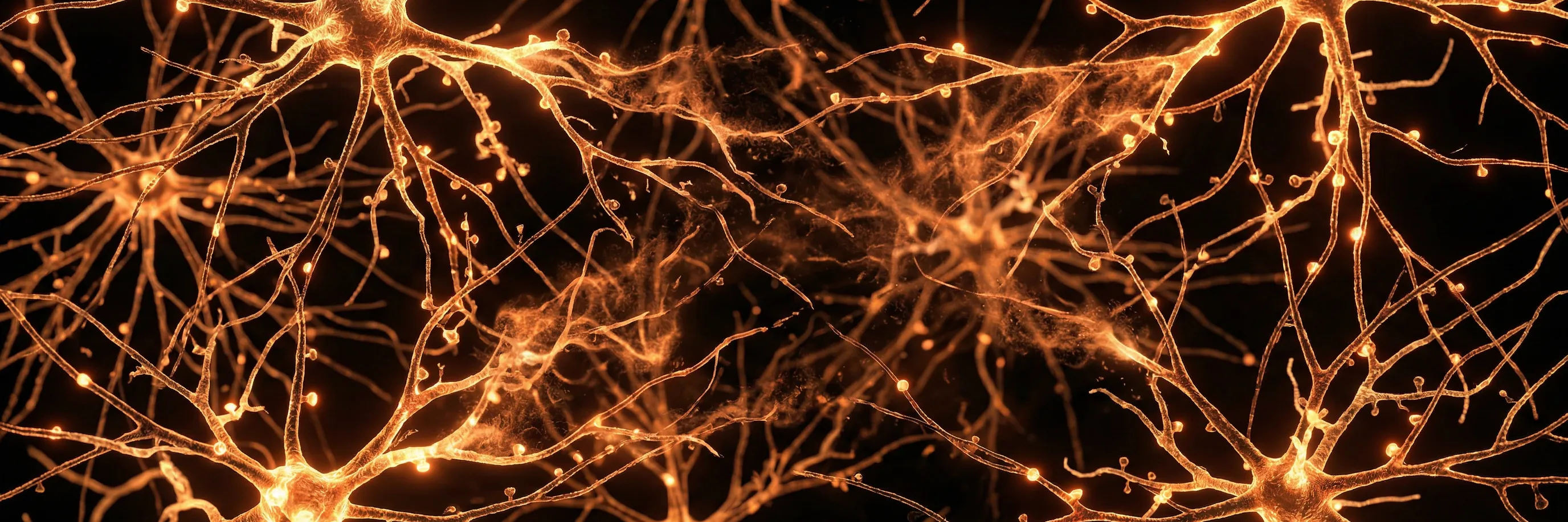
Ở giờ 115 cai thuốc lá (ngày 5), nicotine đã được thải hoàn toàn khỏi cơ thể bạn. Chức Năng Điều Hành Tiền Trán: Các nghiên cứu MRI chức năng cho thấy hoạt động của vỏ não trước trán trong các nhiệm vụ nhận thức bắt đầu bình thường hóa vào khoảng Ngày 5. Những khoảng thời gian ngắn của sự tập trung cải thiện xuất hiện, mặc dù chúng vẫn không nhất quán và phụ thuộc vào hoàn cảnh. Đây là giai đoạn bình thường và đã được ghi nhận của hội chứng cai thuốc lá.
ĐIỀU GÌ ĐANG DIỄN RA TRONG CƠ THỂ BẠN
Các nghiên cứu MRI chức năng cho thấy hoạt động của vỏ não trước trán trong các nhiệm vụ nhận thức bắt đầu bình thường hóa vào khoảng Ngày 5. Vùng vỏ não trước trán lưng bên, quan trọng cho trí nhớ làm việc và lập kế hoạch, đang tái lập các mẫu hoạt động hiệu quả mà không có sự điều chỉnh của nicotinic. Khói thuốc lá chứa hơn 7.000 hóa chất — nicotine là thứ làm bạn nghiện, nhưng các sản phẩm phụ của quá trình đốt cháy (nhựa thuốc, khí carbon monoxide, formaldehyde, benzene) mới là nguyên nhân gây tổn thương thể chất nhiều nhất. Khi nicotine được thải ra, việc tiếp xúc liên tục với những độc tố này cũng chấm dứt.
Tại thời điểm này — "Chức Năng Điều Hành Tiền Trán" — cơ thể bạn đã hoàn toàn sạch nicotine và tập trung vào việc phục hồi thần kinh và mô.
Ngày 5: khoảng 36% các thụ thể dư thừa đã được loại bỏ. Hệ tim mạch của bạn đã có những cải thiện — độ dính của tiểu cầu đang bình thường hóa, giảm nguy cơ đông máu. Tình trạng stress oxy hóa mãn tính từ các sản phẩm phụ của quá trình đốt cháy thuốc lá đang lắng dịu. Số lượng bạch cầu của bạn, trước đây tăng cao khi hút thuốc vì hệ miễn dịch phải chống lại sự tấn công liên tục, đang bắt đầu bình thường hóa.
CẢM GIÁC CỦA BẠN
Những khoảng thời gian ngắn của sự tập trung cải thiện xuất hiện, mặc dù chúng vẫn không nhất quán và phụ thuộc vào hoàn cảnh.
Buổi tối mang những liên kết mạnh mẽ đối với người hút thuốc — điếu thuốc thư giãn, điếu thuốc sau bữa tối, điếu thuốc trước khi ngủ trên hiên nhà. Đây là những nghi lễ thoải mái, không chỉ là cung cấp nicotine. Thay thế chúng đòi hỏi không chỉ tránh thuốc lá mà còn tích cực tạo ra một thói quen thư giãn mới. Một thức uống ấm, căng giãn nhẹ, hoặc đọc sách có thể báo hiệu "ngày đã kết thúc" cho não bạn mà không cần khói thuốc.
Đối với người hút thuốc, giai đoạn này bị chi phối bởi các tác nhân kích hoạt thói quen — những liên kết đã được gắn sâu giữa những khoảnh khắc cụ thể trong ngày với việc với lấy thuốc lá. Năm tác nhân phổ biến nhất: cà phê buổi sáng (tác nhân kích hoạt mạnh nhất đối với hầu hết người hút thuốc), cảm giác thỏa mãn sau bữa ăn, giao lưu trong giờ nghỉ, lái xe, và thư giãn buổi tối. Mỗi tác nhân kích hoạt đều kích hoạt cùng một con đường thần kinh đã dẫn đến việc hút thuốc hàng nghìn lần trước đây. Hiểu biết then chốt: tác nhân kích hoạt xảy ra, nhưng cơn thèm nó tạo ra yếu đi mỗi lần bạn không hành động theo nó. Bạn không chỉ đang chịu đựng những khoảnh khắc này — bạn đang tích cực kết nối lại chúng bằng cách chọn một phản ứng khác.
VIỆC CẦN LÀM NGAY LÚC NÀY
Giải quyết nhiệm vụ đòi hỏi nhận thức nhiều nhất trong khoảng thời gian 2 giờ mà bạn cảm thấy minh mẫn nhất hôm nay — làm việc theo nhịp phục hồi của não bạn thay vì chống lại nó.
Chiến lược xã hội cho người hút thuốc: Đây là tuần mà các tác nhân kích hoạt xã hội đạt đỉnh. Nếu nơi làm việc có khu vực hút thuốc, hãy tránh xa — ngay cả khi điều đó có nghĩa là tạm thời mất kết nối xã hội. Hãy nghỉ giải lao ở nơi khác. Đi bộ, đừng đứng yên.
Nếu bạn có người yêu hoặc bạn cùng phòng hút thuốc, đây là tình huống khó khăn nhất. Hãy có cuộc trò chuyện thẳng thắn: "Tôi cần bạn không mời tôi thuốc lá và không hút thuốc trong không gian chung trong hai tuần tới." Hầu hết mọi người sẽ tôn trọng điều này. Nếu họ không, điều đó cho bạn biết điều gì đó quan trọng về mối quan hệ.
Tác nhân kích hoạt bữa ăn: Điếu thuốc sau bữa ăn là một trong những liên kết hút thuốc mạnh nhất. Thay thế nó bằng một hành động báo hiệu "bữa ăn đã kết thúc" cho não bạn: đánh răng ngay lập tức, đi bộ ngắn, hoặc nhai kẹo bạc hà mạnh. Tín hiệu cần phải là vật lý và tức thời.
ĐIỀU MONG ĐỢI TRONG GIỜ NÀY
Khi buổi tối tiến triển trong ngày 5 cai thuốc lá, các triệu chứng cai nghiện ở mức trung bình — đáng chú ý nhưng có thể xử lý được. Cơ thể bạn đã hoàn toàn sạch nicotine — tất cả các triệu chứng còn lại là sự thích ứng thần kinh, không phải cai nghiện hóa học. Bạn đang trong giai đoạn Cai Nghiện Đỉnh Điểm (Ngày 4-7). Nicotine đã biến mất từ lâu — những gì bạn đang trải nghiệm bây giờ là hệ thống thụ thể não đang hiệu chỉnh lại để hoạt động mà không có những liều nicotine thường xuyên từ thuốc lá.
THAY ĐỔI CƠ THỂ
Mức nicotine: 0% — đã thải hoàn toàn khỏi máu. Cơ thể bạn đạt được việc thải nicotine hoàn toàn ở giờ 72.
Quá trình giảm điều hòa thụ thể nicotinic acetylcholine đang diễn ra tích cực trong não bạn. Các thụ thể dư thừa tích tụ qua nhiều năm hút thuốc đang được cắt tỉa về mức cơ bản của người không hút thuốc.
TRIỆU CHỨNG THƯỜNG GẶP HÔM NAY
CÂU HỎI THƯỜNG GẶP
Có bình thường không khi cảm thấy như vậy sau 115 giờ cai thuốc lá?
Có. Ở giờ 115 (ngày 5), cơ thể bạn đã hoàn toàn sạch nicotine và đang trải qua quá trình thích ứng thần kinh. Các triệu chứng bạn đang trải nghiệm — ở mức trung bình tại giai đoạn này — là một phần được ghi nhận của hội chứng cai nicotine và chúng sẽ qua đi.
Tại sao tôi vẫn cảm thấy tệ vào ngày 5 nếu nicotine đã ra khỏi cơ thể?
Nicotine đã thải khỏi cơ thể bạn vào khoảng giờ 72, nhưng não bạn vẫn đang hiệu chỉnh lại. Hút thuốc khiến não bạn tạo thêm các thụ thể nicotinic acetylcholine để xử lý nguồn cung cấp nicotine liên tục. Bây giờ nguồn cung cấp đó đã mất, những thụ thể dư thừa này đang được cắt tỉa — một quá trình gọi là giảm điều hòa. Điều này mất vài ngày đến vài tuần. Những gì bạn cảm thấy không còn là cai nghiện hóa học nữa; đó là não bạn đang tự kết nối lại về mặt vật lý. Đó là tiến bộ, dù không cảm thấy như vậy.
Nhận hướng dẫn từng giờ, thông báo định kỳ và tư vấn audio được gửi thẳng đến điện thoại của bạn.