336

HOUR 114 OF 336Vivid Dreams Incoming

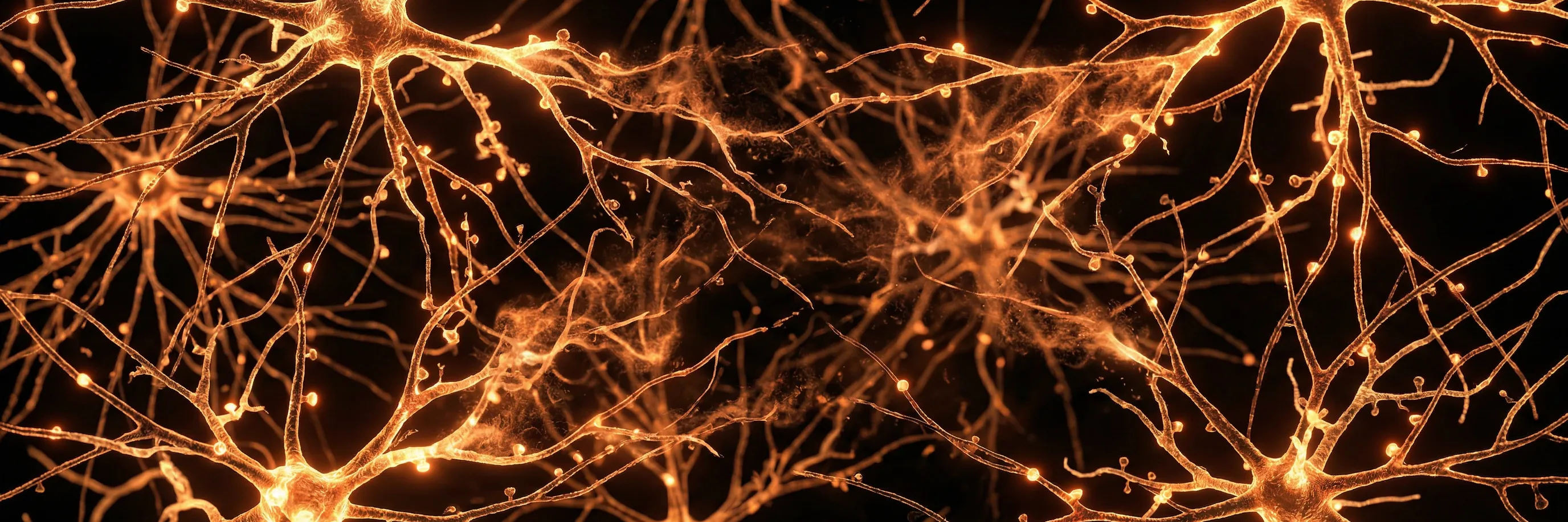
Peak withdrawal phase visualization — brain receptors pruning in amber
Peak WithdrawalDays 4-7
INTENSITY
MODERATE
NICOTINE
CLEAR

At hour 114 of quitting smoking (day 5), nicotine has been completely cleared from your body. Sleep architecture is shifting toward REM rebound. Nicotine had suppressed REM sleep duration by 10-20%, and your brain is claiming it back. Tonight may bring unusually vivid, emotionally loud dreams — often about smoking, sometimes about relapsing. A smoking dream is memory processing, not a warning and not a failure.

WHAT'S HAPPENING IN YOUR BODY

Sleep architecture is shifting toward REM rebound. Nicotine had suppressed REM sleep duration by 10-20%; the brain is now compensating with increased REM pressure. Tonight or tomorrow night may feature unusually vivid, emotionally intense dreams. Cigarette smoke contains over 7,000 chemicals — the nicotine is what hooks you, but the combustion byproducts (tar, carbon monoxide, formaldehyde, benzene) are what cause the most physical damage. As nicotine clears, so does the constant exposure to these toxins.

At this moment — "REM Rebound Approaching" — your body is completely nicotine-free and focused on neurological and tissue recovery.

Day 5: approximately 36% of surplus receptors have been pruned. Your cardiovascular system is already showing improvement — platelet stickiness is normalizing, reducing clot risk. The chronic oxidative stress from cigarette combustion byproducts is subsiding. Your white blood cell count, elevated during active smoking as your immune system fought constant insult, is beginning to normalize.

If you've been having vivid, intense, or strange dreams — that's your brain doing exactly what it's supposed to do. It's called REM rebound. While you were using nicotine, it suppressed your REM sleep by ten to twenty percent. REM is when your brain processes emotions, consolidates memories, and does deep maintenance work.

HOW YOU'RE FEELING

Anticipation or anxiety about sleep, particularly if previous nights have included disturbing or vivid dreams.

Afternoon is often when smokers experienced the "reward cigarette" — a smoke after lunch, a break from the workday, a moment of decompression. The urge you feel isn't hunger or boredom; it's your brain's reward system asking for its scheduled input. Give it something else: a walk, a conversation, a piece of fruit.

For smokers, this phase is dominated by routine triggers — the deeply wired associations between specific daily moments and reaching for a cigarette. The five most common: morning coffee (the strongest single trigger for most smokers), post-meal satisfaction, work break socializing, driving, and the evening wind-down. Each trigger fires the same neural pathway that led to a cigarette thousands of times before. The key insight: the trigger fires, but the craving it produces is weaker each time you don't act on it. You're not just enduring these moments — you're actively rewiring them by choosing a different response.

AUDIO BRIEFINGHour 114: Vivid Dreams Incoming

WHAT TO DO RIGHT NOW

Keep a notebook by your bed — if you wake from a vivid dream, spend 2 minutes writing it down to process the emotional content rather than ruminating.

Social strategy for smokers: This is the week where social triggers peak. If your workplace has a smoking area, avoid it — even if it means losing the social connection temporarily. Take your breaks somewhere else. Walk, don't stand.

If you have a partner or roommate who smokes, this is the hardest configuration. Have an honest conversation: "I need you to not offer me cigarettes and not smoke in shared spaces for the next two weeks." Most people will respect this. If they don't, that tells you something important about the relationship.

Meal triggers: The post-meal cigarette is one of the strongest smoking associations. Replace it with an action that signals "meal is over" to your brain: brush your teeth immediately, take a short walk, or chew strong mint gum. The signal needs to be physical and immediate.

WHAT TO EXPECT THIS HOUR

This afternoon on day 5 of quitting smoking, withdrawal symptoms are moderate — noticeable but handleable. Your body is completely free of nicotine — all remaining symptoms are neurological adaptation, not chemical withdrawal. You're in the Peak Withdrawal phase (Days 4-7). Set tonight up now: no caffeine from here on, a cool dark room, and no expectation of a flawless night. Vivid dreams are a documented part of day 5, not a sign that anything is going wrong.

BODY CHANGES

Nicotine level: 0% — completely cleared from your bloodstream. Your body achieved full nicotine clearance at hour 72.

Nicotinic acetylcholine receptor downregulation is actively occurring in your brain. The excess receptors built up over years of smoking is being pruned back toward non-smoker baseline.

COMMON SYMPTOMS TODAY

Sleep Disruption & InsomniaAppetite & Weight ChangesAnxiety & Restlessness

FREQUENTLY ASKED QUESTIONS

Is it normal to feel this way 114 hours after quitting smoking?

Yes. At hour 114 (day 5), your body is completely free of nicotine and undergoing neurological adaptation. Symptoms are medium at this stage. Strange sleep belongs to it — REM, suppressed by 10-20% while you were using nicotine, is rebounding.

Why am I dreaming about smoking cigarettes?

REM rebound is putting your brain back into heavy processing after nicotine suppressed REM by 10-20%. Smoking was a large part of your daily life for years, so it is prime material for that processing. Vivid smoking dreams are one of the most commonly reported day-5 experiences.

Does dreaming that I smoked mean I've relapsed?

No. Nothing entered your body. Some people wake convinced they smoked and feel real guilt — that is how vivid REM rebound gets. Your quit clock is untouched.

Download 336

Get hour-by-hour guidance, push notification briefings, and audio coaching delivered to your phone.

GOOGLE PLAYAPP STORE
Hour 114 of Quitting Smoking: Vivid Dreams Incoming | 336