336

Joint & Muscle Pain بعد الإقلاع عن التدخين

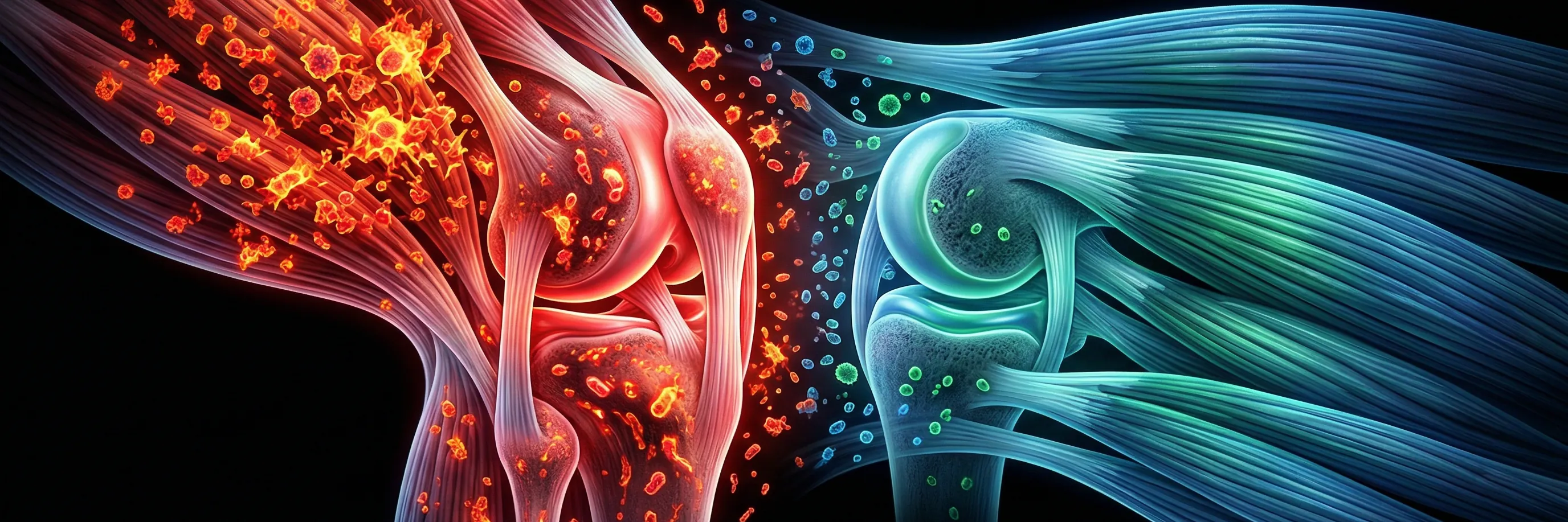
Clinical visualization of joint & muscle pain during smoking withdrawal

Joint and muscle pain after quitting smoking affects some people during days 2-7. Nicotine has analgesic properties — it suppresses pain signaling through endorphin release and opioid pathway interaction. When you quit, that pain suppression lifts, and pre-existing aches become perceptible. Additionally, cortisol-driven muscle tension (especially in neck, shoulders, and jaw) and improved circulation to previously constricted tissues can cause temporary discomfort. Resolves by day 10-14.

Body aches during smoking cessation are common but under-discussed. The mechanism is straightforward: nicotine is a mild painkiller, and quitting removes that analgesia. What feels like new pain is often old pain that was masked.

متى يبدأ

Body aches typically appear around days 2-3 as nicotine's analgesic effects fully clear.

متى يبلغ ذروته

Peak discomfort around days 3-5, coinciding with maximum cortisol elevation and stress response.

متى يختفي

Resolves by day 7-10 for most people as cortisol normalizes and pain processing returns to baseline. If pain persists beyond 2 weeks, it's likely unrelated to withdrawal.

لماذا يحدث

Nicotine stimulates endorphin release and interacts with opioid pain pathways, mildly suppressing pain perception. Quitting removes this analgesia. Additionally, cortisol elevation during withdrawal causes muscle tension, and improved blood flow to previously vasoconstricted tissues can trigger temporary inflammation as healing begins.

ماذا تفعل

Stretching and gentle movement help more than rest. Warm baths or showers relax tight muscles. OTC ibuprofen or acetaminophen are safe for acute discomfort. Jaw tension and teeth grinding (bruxism) are common — a conscious jaw relaxation practice helps. Magnesium supplements may support muscle relaxation.

الساعات التي يظهر فيها هذا العرض

H6Resting Heart Rate Declining: Heart rate drops 5-10 beats per minute from the smoker's elevated baseline as nicotine-mediated sympathetic stimulation of the sinoatrial node diminishes.H7Carboxyhemoglobin Declining Steadily: Carbon monoxide bound to hemoglobin is declining from smoker levels of 5-10% toward the non-smoker baseline of under 1%.H8Carbon Monoxide Halved: Carboxyhemoglobin levels have dropped by approximately 50%.H10Bronchial Smooth Muscle Relaxing: The acute bronchoconstrictive effects of cigarette smoke particulates are diminishing.H11Insulin Sensitivity Improving: Nicotine's antagonistic effect on insulin signaling is waning.H15Adrenal Output Normalizing: Epinephrine and norepinephrine secretion from the adrenal glands is declining toward non-smoker baselines.H22Endothelial Nitric Oxide Rising: Vascular endothelial cells are increasing production of nitric oxide as oxidative stress from cigarette smoke diminishes.H23White Blood Cell Count Stabilizing: The chronic leukocytosis seen in smokers, with WBC counts 20-30% above non-smoker norms, begins trending downward.H26Cardiac Output Normalizing: Cardiac output is adjusting to the absence of nicotine-driven sympathetic stimulation.H38Coronary Artery Vasomotion Improving: Coronary artery endothelium-dependent vasodilation is improving as nicotine-induced vasospasm resolves and nitric oxide availability increases.H46Catecholamine Homeostasis Resetting: The chronic elevation of circulating catecholamines driven by nicotine's action on sympathetic ganglia is resolving.H48Nerve Endings Regenerating: Peripheral nerve endings damaged by chronic smoke exposure are regenerating.H51Pulmonary Surfactant Recovery: Type II pneumocytes are restoring normal surfactant production, previously disrupted by smoke-induced oxidative damage.H60Maximum Receptor Starvation Reached: Nicotinic acetylcholine receptor occupancy has reached its nadir.H67Bronchial Hyperresponsiveness Declining: Airway hyperresponsiveness to methacholine challenge, elevated in smokers, begins declining.H87Vascular Endothelium Healing: Endothelial cells lining blood vessels are increasing nitric oxide production now that nicotine is no longer inhibiting endothelial nitric oxide synthase (eNOS).H90Bronchial Smooth Muscle Relaxing: Bronchial smooth muscle tone is normalizing without nicotine's parasympathomimetic effect on muscarinic receptors.H102Endorphin System Recovering: Beta-endorphin levels in the arcuate nucleus are beginning to normalize.H112Blood Vessel Compliance Improving: Arterial wall compliance is measurably improving.H146Ciliary Function Strengthening: Bronchial cilia are now beating at approximately 8-10 Hz, approaching the normal frequency of 12-15 Hz.

الأسئلة الشائعة

Why do my muscles ache after quitting smoking?

Nicotine has mild analgesic properties — it suppresses pain through endorphin release. Quitting removes this effect, making pre-existing aches more noticeable. Cortisol elevation during withdrawal also causes muscle tension.

How long do body aches last?

Typically days 2-7, peaking around days 3-5. Resolves by day 10-14. If severe pain persists beyond 2 weeks, see a doctor.

Can I take painkillers?

OTC analgesics (ibuprofen, acetaminophen) are safe during withdrawal. Exercise, stretching, and warm baths are equally effective. Avoid opioids.

تحميل 336

احصل على إرشاد ساعة بساعة، وإشعارات الإحاطات، والتدريب الصوتي على هاتفك.

متجر التطبيقات — قريباًجوجل بلاي — قريباً
Joint & Muscle Pain After Quitting Smoking: Hour-by-Hour Timeline | 336