戒吸烟后的Coughing & Respiratory Changes

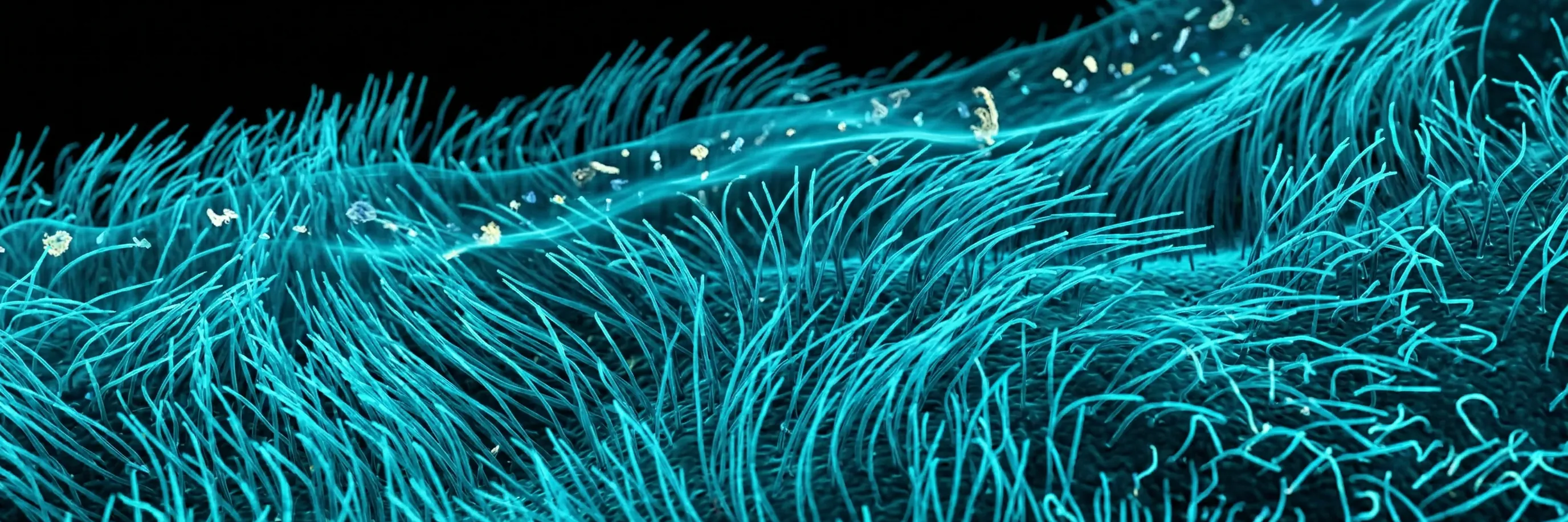
Increased coughing after quitting smoking begins around day 3-4 and is one of the most important signs of healing. Your lungs' cilia — microscopic hair-like structures that were paralyzed and destroyed by hot cigarette smoke — are regenerating and sweeping out years of accumulated tar, particulate matter, and mucus. This productive cough peaks around days 5-7 and gradually resolves over 2-4 weeks. Breathing capacity improves measurably within the first 2 weeks and continues improving for months.
The 'smoker's cough' paradox: many people cough less while smoking and more after quitting. This feels counterintuitive but makes perfect sense. Cigarette smoke paralyzes and destroys the cilia that line your airways — with the cleaning system disabled, debris accumulates silently. When you quit, the cilia regenerate, the cleaning system reactivates, and your lungs begin expelling years of accumulated tar. More coughing means more healing.
开始时间
The productive cough typically begins around day 3-4. Days 1-2 may actually feel quieter in terms of coughing because your cilia haven't regenerated yet. Once new cilia begin growing and functioning, the sweeping motion mobilizes the tar and mucus that has been accumulating in your airways.
高峰时间
The productive cough peaks around days 5-10, when cilia regeneration is most active and the clearing of accumulated debris is at its highest rate. You may cough up significant amounts of mucus — sometimes dark or discolored from tar deposits. This is therapeutic clearing.
缓解时间
For light-to-moderate smokers, the productive cough typically resolves within 2-4 weeks. Heavy, long-term smokers may cough for several weeks as their lungs clear a larger backlog. FEV1 (lung capacity measure) improves within 2 weeks and shows dramatic improvement by 3 months. At 9 months, most residual coughing and shortness of breath have resolved.
发生原因
Cigarette smoke at 600-900°C burns and paralyzes the cilia lining your airways. With the mucociliary escalator disabled, tar, carcinogens, and particulate matter accumulate in your lungs with no way to be cleared. When you quit: (1) cilia begin regenerating within days, (2) the mucociliary escalator reactivates, (3) accumulated debris is swept upward and coughed out. Additionally, bronchospasm resolves (nicotine caused chronic bronchial constriction), airway inflammation decreases, and mucus production temporarily increases as your lungs' immune system activates cleanup.
应对措施
Don't suppress the cough — it's productive and therapeutic. Stay hydrated to keep mucus thin. Steam inhalation (hot shower, humidifier) loosens mucus. Moderate exercise increases respiratory rate and supports clearance. Sleep with your head slightly elevated if nighttime coughing disrupts sleep. If cough produces blood, is accompanied by fever, or persists beyond 4 weeks, see a doctor — these may indicate a separate condition.
出现此症状的小时
常见问题解答
Why am I coughing more after quitting smoking?
Your lungs' cilia — the microscopic cleaning hairs destroyed by cigarette smoke — are regenerating and sweeping out years of accumulated tar and debris. More coughing means your lungs are cleaning themselves for the first time. It's the most important sign of respiratory healing.
How long will the cough last after quitting smoking?
Light-to-moderate smokers: 2-4 weeks. Heavy/long-term smokers: up to several weeks. The cough is most intense around days 5-10 and decreases gradually. FEV1 improvement begins within 2 weeks and is dramatic by 3 months.
Is dark mucus normal after quitting smoking?
Yes. Dark or brownish mucus is tar and particulate matter being cleared from your airways. The color typically lightens over days as the backlog is cleared. This is exactly what should be happening.
获取逐时指导、推送通知简报和手机音频教练服务。