HOUR 9 OF 336Platelet Aggregation Reducing
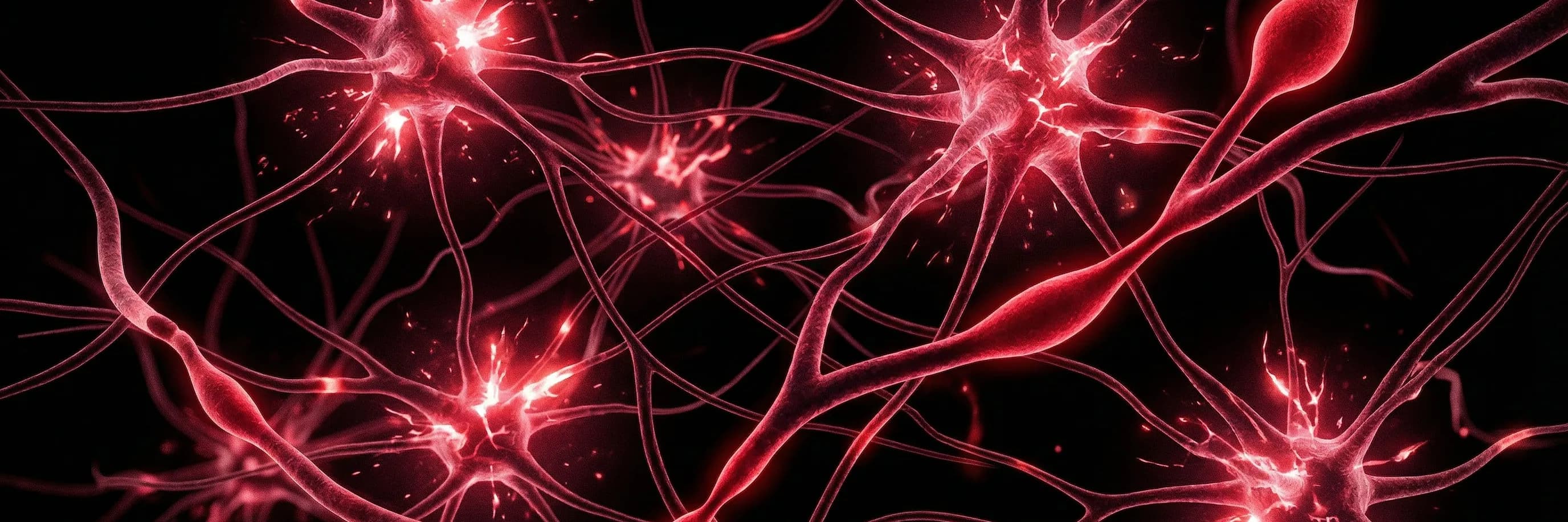
At hour 9 of quitting vaping (day 1), your blood nicotine level has dropped to 4.4% of what it was when you quit. Platelet Aggregation Reducing: With nicotine levels now below 5% of peak, platelet adhesiveness begins decreasing. The prothrombotic state induced by chronic nicotine use starts to reverse, reducing acute clot formation risk. Emotional lability emerges as serotonergic and dopaminergic pathways adjust to absent nicotine stimulation. This is a normal and documented stage of vaping withdrawal.
WHAT'S HAPPENING IN YOUR BODY
With nicotine levels now below 5% of peak, platelet adhesiveness begins decreasing. The prothrombotic state induced by chronic nicotine use starts to reverse, reducing acute clot formation risk.
At this moment — "Platelet Aggregation Reducing" — your body is still processing nicotine (4.4% remaining).
Only 4.4% of nicotine remains — trace amounts that will be fully eliminated within hours. Your body is transitioning from active pharmacokinetic clearance to the neurological adaptation phase. The nicotine salt formulations in modern vapes created particularly dense receptor upregulation due to their high bioavailability (35-50mg/mL). Those surplus receptors are now beginning the pruning process that will define the next several days.
Something is happening in your lungs right now. The tiny muscles around your airways — bronchial tubes — are starting to relax. For as long as you've been using nicotine, those muscles have been in a constant low-level spasm from chemical irritation. You might notice you can take a slightly deeper breath than usual.
HOW YOU'RE FEELING
Emotional lability emerges as serotonergic and dopaminergic pathways adjust to absent nicotine stimulation.
Mid-morning is when many former vapers feel the pull most strongly — this was prime vaping time during commutes, at desks, between meetings. The habitual pattern of reaching for your device during idle moments is deeply wired. Keep your hands occupied and your environment different from your vaping routine.
Because vapes have no natural stopping point (no cigarette that burns down), many vapers take hundreds of puffs per day without realizing it. The constant availability of your vape — no need to go outside, no smell, no social stigma — meant it was always within arm's reach. Many vapers hit their device 200-400 times per day without counting. Your brain registered each puff as a micro-reward, creating an extremely dense habit loop. Right now, your hand may be reaching for a device that isn't there. Your brain is scanning for the familiar weight in your pocket, the draw against your lips, the throat hit. These phantom habits are real neurological events — motor cortex patterns firing without a target.
Many vapers started in their teens or twenties, meaning nicotine has been part of your brain's development during a critical period. The good news: the same neuroplasticity that made you dependent is now working in your favor. Every hour without a puff weakens the vaping circuit and strengthens the non-vaping one.
WHAT TO DO RIGHT NOW
Splash cold water on your face and wrists to trigger the mammalian dive reflex, which lowers heart rate and calms agitation.
Physical displacement: Hold a pen, water bottle, or stress ball. Your hand is searching for the shape and weight of a vape device. Chew cinnamon gum — it provides the mild throat sensation that mimics a throat hit. Drink ice water through a straw — the sucking motion occupies the same oral circuit.
Move your body immediately. A 5-minute brisk walk increases GABA production and releases endorphins that directly counteract the dopamine deficit driving your craving. You don't need a full workout — just movement. Stairs, pushups against a wall, or even vigorous stretching.
WHAT TO EXPECT THIS HOUR
During this morning stretch on day 1 of quitting vaping, withdrawal symptoms are moderate — noticeable but handleable. Your body still has 4.4% of nicotine to clear. During the Acute Withdrawal phase (Days 1-3), your body is focused on clearing nicotine and its metabolites. The high-concentration nicotine salts from vaping are being broken down and eliminated. Each hour brings measurable progress.
BODY CHANGES
Nicotine level: 4.4% remaining. Your liver's CYP2A6 enzymes are actively converting nicotine into cotinine for renal clearance.
Vaping produces far less carbon monoxide than combusted tobacco, so the recovery here is about particle load: the ultrafine particles from aerosol inhalation are being cleared by your lungs' natural defense mechanisms.
COMMON SYMPTOMS TODAY
FREQUENTLY ASKED QUESTIONS
Is it normal to feel this way 9 hours after quitting vaping?
Yes. At hour 9 (day 1), your body is still clearing nicotine (4% remaining). The symptoms you're experiencing — which are medium at this stage — are a documented part of nicotine withdrawal and they will pass.
How much nicotine is left in my body after 9 hours?
After 9 hours without vaping, approximately 4.4% of nicotine remains in your bloodstream. Most nicotine has been cleared. Your body is in the final stages of pharmacokinetic withdrawal.
When will vaping cravings peak?
Cravings typically peak between hours 24-72 after quitting vaping. Because vapes deliver nicotine salts at high concentrations, the initial drop can feel more abrupt than cigarette withdrawal. You're currently at hour 9, building toward peak intensity. The critical thing to know: every craving you survive without vaping weakens the next one.
Get hour-by-hour guidance, push notification briefings, and audio coaching delivered to your phone.

