HOUR 68 OF 336Leptin Sensitivity Adjusting

At hour 68 of quitting vaping (day 3), nicotine has been completely cleared from your body. Leptin Sensitivity Adjusting: Leptin sensitivity, disrupted by nicotine's effects on hypothalamic appetite centers, is recalibrating. Hunger and cravings can become difficult to distinguish, as both manifest as urgent, consuming desires centered on oral behavior. This is a normal and documented stage of vaping withdrawal.
WHAT'S HAPPENING IN YOUR BODY
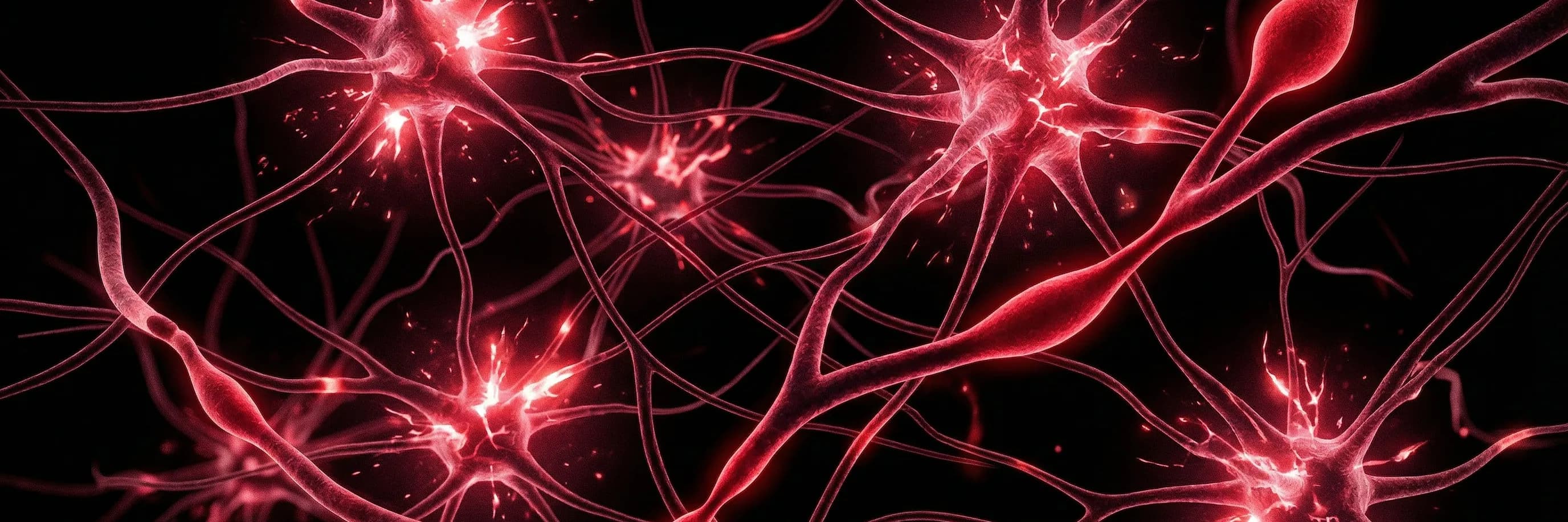
Leptin sensitivity, disrupted by nicotine's effects on hypothalamic appetite centers, is recalibrating. The orexigenic drive increases as the hypothalamus adjusts to absent nicotine-mediated appetite suppression. For vapers specifically, the nicotine salt formulations used in modern devices deliver nicotine more efficiently than freebase nicotine in cigarettes, which means your receptors were exposed to higher peak concentrations.
At this moment — "Leptin Sensitivity Adjusting" — your body is completely nicotine-free and focused on neurological and tissue recovery.
Your body is now completely free of nicotine. For vapers who used high-concentration nicotine salt devices, the receptor upregulation was particularly dense — your brain built more nAChR receptors per unit area than it would have from lower-concentration delivery. The aggressive pruning of these surplus receptors is what drives the withdrawal symptoms you're experiencing now. The good news: every hour of discomfort is an hour of measurable healing.
You're probably hungry again. Here's why: nicotine suppressed your appetite by acting directly on your hypothalamus — the brain region that controls hunger signals. Without that suppression, your hypothalamus is recalibrating, and right now it's overshooting. The hunger drive is cranked up higher than it should be while the system finds its new baseline.
HOW YOU'RE FEELING
Hunger and cravings can become difficult to distinguish, as both manifest as urgent, consuming desires centered on oral behavior.
Evening is psychologically complex for former vapers. This was often the heaviest usage period — unwinding after the day, watching TV, scrolling social media, all with a vape in hand. The association between relaxation and vaping is particularly strong. Try to change your evening environment: sit in a different spot, watch something new, keep your hands busy with a hobby.
Because vapes have no natural stopping point (no cigarette that burns down), many vapers take hundreds of puffs per day without realizing it. The constant availability of your vape — no need to go outside, no smell, no social stigma — meant it was always within arm's reach. Many vapers hit their device 200-400 times per day without counting. Your brain registered each puff as a micro-reward, creating an extremely dense habit loop. Right now, your hand may be reaching for a device that isn't there. Your brain is scanning for the familiar weight in your pocket, the draw against your lips, the throat hit. These phantom habits are real neurological events — motor cortex patterns firing without a target.
Many vapers started in their teens or twenties, meaning nicotine has been part of your brain's development during a critical period. The good news: the same neuroplasticity that made you dependent is now working in your favor. Every hour without a puff weakens the vaping circuit and strengthens the non-vaping one.
WHAT TO DO RIGHT NOW
Before acting on any urge, drink a full glass of water and wait 5 minutes; thirst and nicotine craving can both masquerade as hunger.
Move your body immediately. A 5-minute brisk walk increases GABA production and releases endorphins that directly counteract the dopamine deficit driving your craving. You don't need a full workout — just movement. Stairs, pushups against a wall, or even vigorous stretching.
Write down exactly what you're feeling right now — the craving, the intensity (1-10), the trigger, the time. This sounds clinical because it is. Externalizing the craving onto paper transforms it from an overwhelming urge into data. Data can be analyzed. Urges just feel urgent.
WHAT TO EXPECT THIS HOUR
As the evening progresses on day 3 of quitting vaping, withdrawal symptoms are at peak intensity — this is as hard as it gets. Your body is completely free of nicotine — all remaining symptoms are neurological adaptation, not chemical withdrawal. During the Acute Withdrawal phase (Days 1-3), your body is focused on clearing nicotine and its metabolites. The high-concentration nicotine salts from vaping are being broken down and eliminated. Each hour brings measurable progress.
BODY CHANGES
Nicotine level: 0% — completely cleared from your bloodstream. Your body achieved full nicotine clearance at hour 72.
COMMON SYMPTOMS TODAY
FREQUENTLY ASKED QUESTIONS
Is it normal to feel this way 68 hours after quitting vaping?
Yes. At hour 68 (day 3), your body is completely free of nicotine and undergoing neurological adaptation. The symptoms you're experiencing — which are at their peak intensity right now — are a documented part of nicotine withdrawal and they will pass.
How much nicotine is left in my body after 68 hours?
After 68 hours without vaping, approximately 0.0% of nicotine remains in your bloodstream. Your body is now 100% nicotine-free. All remaining symptoms are neurological, not chemical.