HOUR 59 OF 336Interleukin-6 Levels Reducing
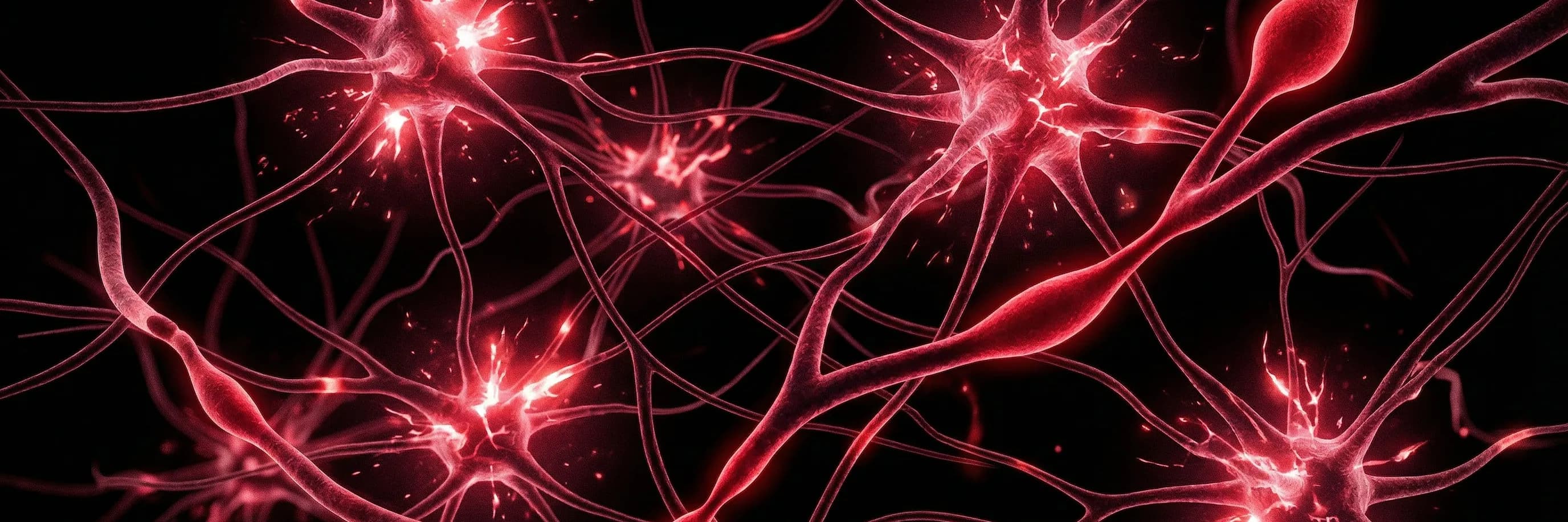
At hour 59 of quitting vaping (day 3), nicotine has been completely cleared from your body. Interleukin-6 Levels Reducing: Serum interleukin-6, a pro-inflammatory cytokine, is measurably declining. Reduced IL-6 signaling decreases hepatic CRP production and attenuates the systemic inflammatory cascade. A transient improvement in mood may occur as neurochemical oscillations temporarily produce adequate dopamine and serotonin levels. This is a normal and documented stage of vaping withdrawal.
WHAT'S HAPPENING IN YOUR BODY
Serum interleukin-6, a pro-inflammatory cytokine, is measurably declining. Reduced IL-6 signaling decreases hepatic CRP production and attenuates the systemic inflammatory cascade.
At this moment — "Interleukin-6 Levels Reducing" — your body is completely nicotine-free and focused on neurological and tissue recovery.
Your body is now completely free of nicotine. For vapers who used high-concentration nicotine salt devices, the receptor upregulation was particularly dense — your brain built more nAChR receptors per unit area than it would have from lower-concentration delivery. The aggressive pruning of these surplus receptors is what drives the withdrawal symptoms you're experiencing now. The good news: every hour of discomfort is an hour of measurable healing.
You might be experiencing something unexpected right now — a window of feeling genuinely okay. Not great, but noticeably better than the last twelve hours. Your neurochemistry oscillates during withdrawal, and right now you may be in a temporary upswing where dopamine and serotonin levels are hitting adequate range. Don't waste this window.
HOW YOU'RE FEELING
A transient improvement in mood may occur as neurochemical oscillations temporarily produce adequate dopamine and serotonin levels.
Mid-morning is when many former vapers feel the pull most strongly — this was prime vaping time during commutes, at desks, between meetings. The habitual pattern of reaching for your device during idle moments is deeply wired. Keep your hands occupied and your environment different from your vaping routine.
Because vapes have no natural stopping point (no cigarette that burns down), many vapers take hundreds of puffs per day without realizing it. The constant availability of your vape — no need to go outside, no smell, no social stigma — meant it was always within arm's reach. Many vapers hit their device 200-400 times per day without counting. Your brain registered each puff as a micro-reward, creating an extremely dense habit loop. Right now, your hand may be reaching for a device that isn't there. Your brain is scanning for the familiar weight in your pocket, the draw against your lips, the throat hit. These phantom habits are real neurological events — motor cortex patterns firing without a target.
Many vapers started in their teens or twenties, meaning nicotine has been part of your brain's development during a critical period. The good news: the same neuroplasticity that made you dependent is now working in your favor. Every hour without a puff weakens the vaping circuit and strengthens the non-vaping one.
WHAT TO DO RIGHT NOW
Capitalize on the mood improvement by preparing your environment for the next craving wave: remove your device, spare pods, coils, and chargers from your home and car.
Cold exposure technique: Run cold water over your wrists for 30 seconds or hold an ice cube. The sensory shock interrupts the craving neural pathway and redirects your attention. It sounds simple because it is — cravings are short-circuit events, and any strong competing stimulus can break the loop.
Call or text someone. The craving will pass in 90 seconds, and talking to another person occupies the verbal processing centers that overlap with craving circuits. You don't need to talk about quitting — any conversation works. The point is cognitive redirection.
WHAT TO EXPECT THIS HOUR
During this morning stretch on day 3 of quitting vaping, withdrawal symptoms are at peak intensity — this is as hard as it gets. Your body is completely free of nicotine — all remaining symptoms are neurological adaptation, not chemical withdrawal. During the Acute Withdrawal phase (Days 1-3), your body is focused on clearing nicotine and its metabolites. The high-concentration nicotine salts from vaping are being broken down and eliminated. Each hour brings measurable progress.
BODY CHANGES
Nicotine level: 0% — completely cleared from your bloodstream. Your body achieved full nicotine clearance at hour 72.
COMMON SYMPTOMS TODAY
FREQUENTLY ASKED QUESTIONS
Is it normal to feel this way 59 hours after quitting vaping?
Yes. At hour 59 (day 3), your body is completely free of nicotine and undergoing neurological adaptation. The symptoms you're experiencing — which are at their peak intensity right now — are a documented part of nicotine withdrawal and they will pass.
How much nicotine is left in my body after 59 hours?
After 59 hours without vaping, approximately 0.0% of nicotine remains in your bloodstream. Your body is now 100% nicotine-free. All remaining symptoms are neurological, not chemical.
Get hour-by-hour guidance, push notification briefings, and audio coaching delivered to your phone.

