HOUR 54 OF 336Pancreatic Beta Cell Recovery
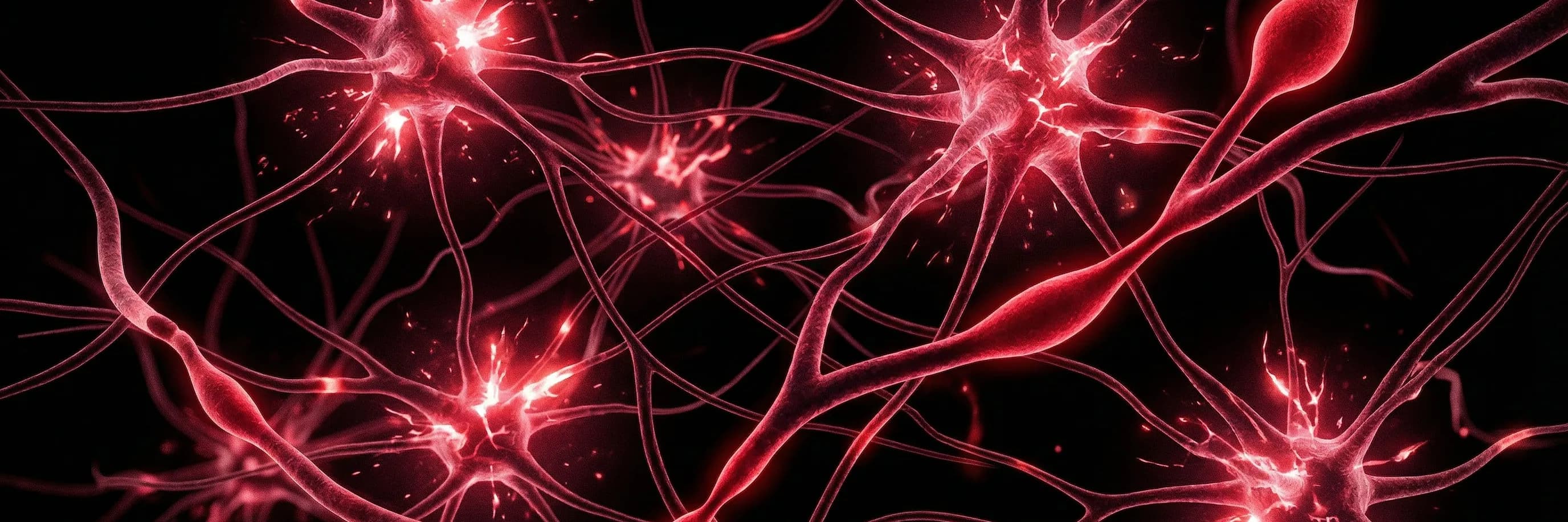
At hour 54 of quitting vaping (day 3), nicotine has been completely cleared from your body. Pancreatic Beta Cell Recovery: Pancreatic beta cells, whose insulin secretory response was blunted by nicotine's direct toxic effects, are recovering function. Postprandial insulin release becomes more appropriately calibrated to glycemic load. Blood sugar fluctuations from altered insulin dynamics can mimic anxiety symptoms, creating confusion about what is physical versus psychological. This is a normal and documented stage of vaping withdrawal.
WHAT'S HAPPENING IN YOUR BODY
Pancreatic beta cells, whose insulin secretory response was blunted by nicotine's direct toxic effects, are recovering function. Postprandial insulin release becomes more appropriately calibrated to glycemic load.
At this moment — "Pancreatic Beta Cell Recovery" — your body is completely nicotine-free and focused on neurological and tissue recovery.
Your body is now completely free of nicotine. For vapers who used high-concentration nicotine salt devices, the receptor upregulation was particularly dense — your brain built more nAChR receptors per unit area than it would have from lower-concentration delivery. The aggressive pruning of these surplus receptors is what drives the withdrawal symptoms you're experiencing now. The good news: every hour of discomfort is an hour of measurable healing.
Let's talk about what's happening in your brain right now. For months or years, nicotine was your brain's primary source of dopamine — the chemical that makes things feel rewarding. Every hit triggered a dopamine spike, and your brain downregulated its natural dopamine production in response. Why make its own when it was getting a steady supply? Now that supply is gone.
HOW YOU'RE FEELING
Blood sugar fluctuations from altered insulin dynamics can mimic anxiety symptoms, creating confusion about what is physical versus psychological.
These early morning hours can be particularly tough for former vapers — many people vaped first thing upon waking, sometimes before even getting out of bed. The absence of that morning ritual is felt acutely right now. If you're awake and struggling, know that cortisol levels naturally peak between 6-8am, which amplifies withdrawal symptoms.
Because vapes have no natural stopping point (no cigarette that burns down), many vapers take hundreds of puffs per day without realizing it. The constant availability of your vape — no need to go outside, no smell, no social stigma — meant it was always within arm's reach. Many vapers hit their device 200-400 times per day without counting. Your brain registered each puff as a micro-reward, creating an extremely dense habit loop. Right now, your hand may be reaching for a device that isn't there. Your brain is scanning for the familiar weight in your pocket, the draw against your lips, the throat hit. These phantom habits are real neurological events — motor cortex patterns firing without a target.
Many vapers started in their teens or twenties, meaning nicotine has been part of your brain's development during a critical period. The good news: the same neuroplasticity that made you dependent is now working in your favor. Every hour without a puff weakens the vaping circuit and strengthens the non-vaping one.
WHAT TO DO RIGHT NOW
Eat a small meal combining protein and complex carbohydrates, such as hummus with whole-grain crackers, every 3 hours to maintain glycemic stability.
Call or text someone. The craving will pass in 90 seconds, and talking to another person occupies the verbal processing centers that overlap with craving circuits. You don't need to talk about quitting — any conversation works. The point is cognitive redirection.
Physical displacement: Hold a pen, water bottle, or stress ball. Your hand is searching for the shape and weight of a vape device. Chew cinnamon gum — it provides the mild throat sensation that mimics a throat hit. Drink ice water through a straw — the sucking motion occupies the same oral circuit.
WHAT TO EXPECT THIS HOUR
In these early morning hours on day 3 of quitting vaping, withdrawal symptoms are at peak intensity — this is as hard as it gets. Your body is completely free of nicotine — all remaining symptoms are neurological adaptation, not chemical withdrawal. During the Acute Withdrawal phase (Days 1-3), your body is focused on clearing nicotine and its metabolites. The high-concentration nicotine salts from vaping are being broken down and eliminated. Each hour brings measurable progress.
BODY CHANGES
Nicotine level: 0% — completely cleared from your bloodstream. Your body achieved full nicotine clearance at hour 72.
COMMON SYMPTOMS TODAY
FREQUENTLY ASKED QUESTIONS
Is it normal to feel this way 54 hours after quitting vaping?
Yes. At hour 54 (day 3), your body is completely free of nicotine and undergoing neurological adaptation. The symptoms you're experiencing — which are at their peak intensity right now — are a documented part of nicotine withdrawal and they will pass.
How much nicotine is left in my body after 54 hours?
After 54 hours without vaping, approximately 0.0% of nicotine remains in your bloodstream. Your body is now 100% nicotine-free. All remaining symptoms are neurological, not chemical.
Get hour-by-hour guidance, push notification briefings, and audio coaching delivered to your phone.

