HEURE 241 SUR 336Normalisation de la Densité Réceptorielle
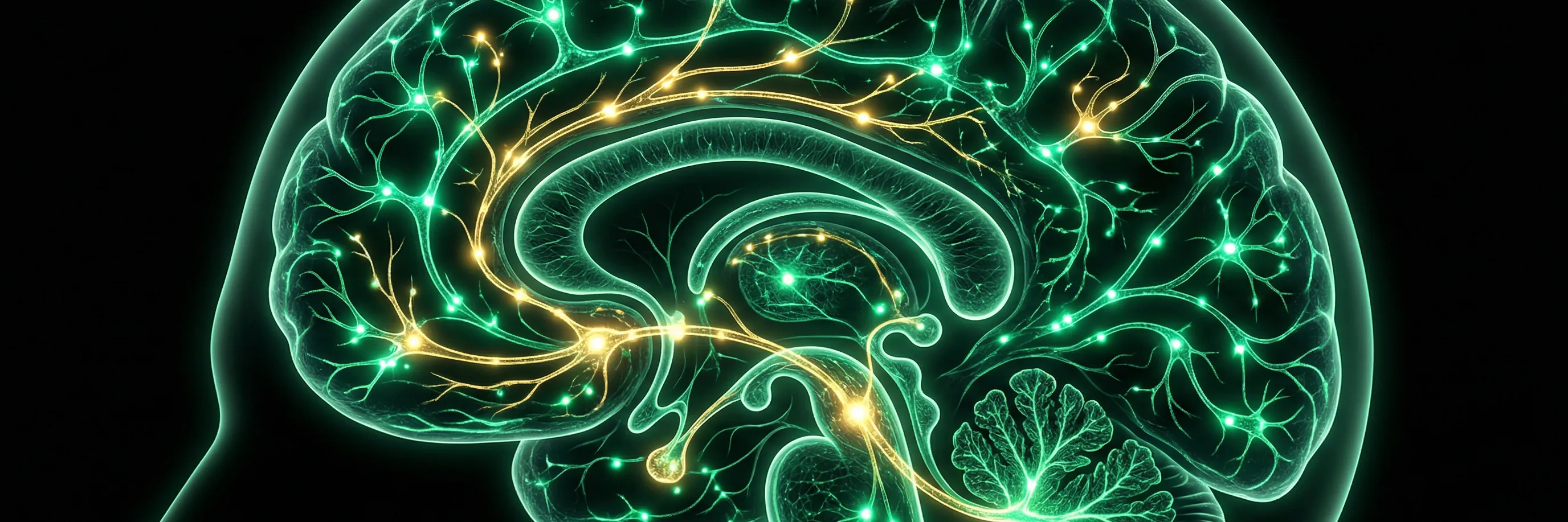
À l'heure 241 d'arrêt du vapotage (jour 11), la nicotine a été complètement éliminée de votre organisme. Normalisation de la Densité Réceptorielle : La surexpression des récepteurs nicotiniques à l'acétylcholine s'inverse. Une stabilité silencieuse se forme — le circuit de récompense du cerveau se recalibre pour fonctionner sans nicotine exogène. Il s'agit d'une étape normale et documentée du sevrage tabagique.
CE QUI SE PASSE DANS VOTRE CORPS
La surexpression des récepteurs nicotiniques à l'acétylcholine s'inverse. Les études d'imagerie TEP montrent que la densité réceptorielle approche des niveaux de non-vapoteurs à ce stade du sevrage. Pour les vapoteurs spécifiquement, les formulations de sels de nicotine utilisées dans les dispositifs modernes délivrent la nicotine plus efficacement que la nicotine base libre des cigarettes, ce qui signifie que vos récepteurs ont été exposés à des concentrations de pointe plus élevées.
En ce moment — "Normalisation de la Densité Réceptorielle" — votre corps est complètement libre de nicotine et se concentre sur la récupération neurologique et tissulaire.
Jour 11 : la densité de récepteurs nAChR de votre cerveau approche de la ligne de base des non-vapoteurs. Le réseau dense de récepteurs créé par l'exposition constante aux sels de nicotine a été substantiellement élagué. La signalisation dopaminergique se normalise — les plaisirs quotidiens (un bon repas, une conversation amusante, un entraînement) procurent plus de satisfaction qu'au pic du sevrage. L'addiction neurologique s'affaiblit fondamentalement.
CE QUE VOUS RESSENTEZ
Une stabilité silencieuse se forme — le circuit de récompense du cerveau se recalibre pour fonctionner sans nicotine exogène.
Ces heures matinales peuvent être particulièrement difficiles pour les anciens vapoteurs — beaucoup vapotaient dès le réveil, parfois avant même de sortir du lit. L'absence de ce rituel matinal se ressent intensément maintenant. Si vous êtes réveillé et en difficulté, sachez que les niveaux de cortisol culminent naturellement entre 6h et 8h, ce qui amplifie les symptômes de sevrage.
Votre cerveau approche de la ligne d'arrivée du sprint. Les voies neuronales associées au vapotage — le circuit main-bouche, l'anticipation du hit en gorge, le réseau d'association des saveurs — s'affaiblissent par manque d'utilisation. De nouvelles voies se forment autour de vos mécanismes d'adaptation sans vapotage. Vous pouvez remarquer que quand le stress frappe, votre première pensée n'est plus "où est ma vapoteuse ?" mais quelque chose d'entièrement différent — une promenade, un verre d'eau, une respiration profonde. C'est le recâblage rendu visible. Protégez farouchement ce progrès.
QUE FAIRE MAINTENANT
Commencez une pratique de journal matinal : écrivez une phrase sur qui vous êtes en train de devenir, pas sur ce que vous arrêtez.
Protection future pour les vapoteurs : Les scénarios de rechute les plus à risque dans les 30 prochains jours sont (1) la consommation d'alcool, qui réduit l'inhibition et se produit souvent dans des contextes sociaux où d'autres vapotent, (2) les événements de stress extrême qui déclenchent l'ancien circuit "attraper la vapoteuse", et (3) la pensée "juste une bouffée ne fera pas de mal", qui est l'idée la plus dangereuse en récupération. Une bouffée re-sensibilise les récepteurs en quelques minutes.
Fixez votre prochain objectif à 30 jours. Puis 90. À 90 jours, le risque de rechute tombe sous 5% pour les sevrages d'un coup. Vous construisez quelque chose de permanent.
À QUOI S'ATTENDRE CETTE HEURE
Dans ces heures matinales du jour 11 d'arrêt du vapotage, les symptômes de sevrage sont relativement gérables. Votre corps est complètement libre de nicotine — tous les symptômes restants sont une adaptation neurologique, pas un sevrage chimique. Vous avez atteint la phase Nouvelle Ligne de Base (Jours 11-14). Votre cerveau et votre corps établissent leur nouvelle normalité sans vapotage. L'addiction physiologique est brisée — il reste à construire les habitudes et l'identité de votre vie sans vapotage.
CHANGEMENTS CORPORELS
Niveau de nicotine : 0% — complètement éliminée de votre circulation sanguine. Votre corps a atteint l'élimination complète de la nicotine à l'heure 72.
Vos tissus pulmonaires récupèrent de l'exposition chronique à l'aérosol de propylène glycol et de glycérine végétale. La réponse inflammatoire déclenchée par le dépôt de particules ultra-fines s'atténue, et vos voies respiratoires retrouvent un fonctionnement normal.
FOIRE AUX QUESTIONS
Est-il normal de se sentir ainsi 241 heures après avoir arrêté de vapoter ?
Oui. À l'heure 241 (jour 11), votre corps est complètement libre de nicotine et subit une adaptation neurologique. Les symptômes que vous ressentez — qui sont faibles à ce stade — font partie documentée du sevrage nicotinique et ils passeront.
Suis-je à l'abri d'une rechute après 11 jours sans vapoter ?
Après 11 jours, votre addiction physiologique est largement brisée — la densité réceptorielle du cerveau approche de la ligne de base des non-vapoteurs. Mais le risque de rechute ne tombe pas à zéro. Les moments les plus à risque dans le mois à venir sont la consommation d'alcool, le stress extrême, et la nostalgie du rituel. Votre défense : l'engagement identitaire. Vous n'êtes pas "une personne qui a arrêté de vapoter" — vous êtes "une personne qui ne vapote pas".
Obtenez des conseils heure par heure, des briefings par notifications push, et un accompagnement audio livré sur votre téléphone.